Smart Mixed-Use Real Estate Investing in Bloomfield Hills and Detroit Markets
Discover how residential and commercial properties are reshaping investment potential in Bloomfield Hills and Detroit.

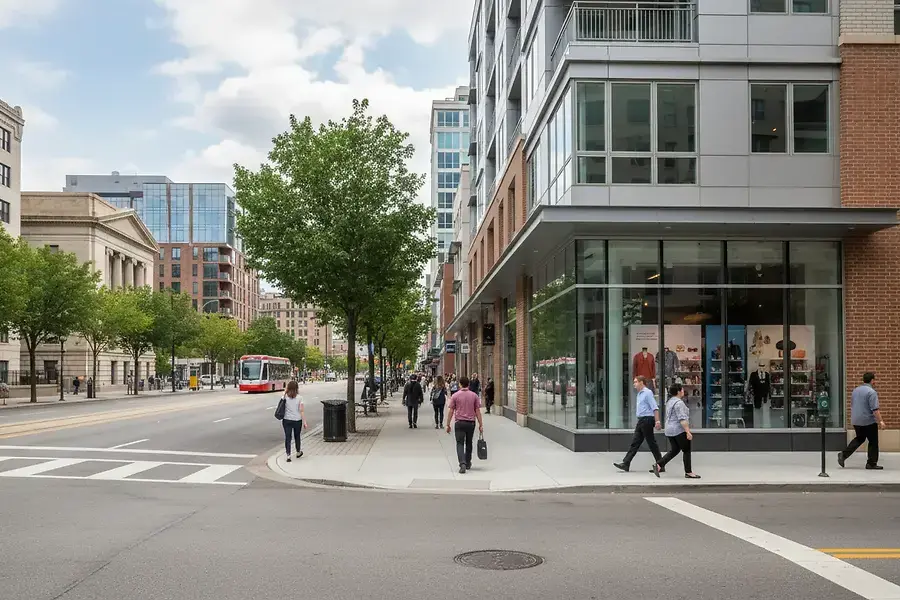
Understanding Mixed-Use Real Estate: Why Investors Are Choosing Dual-Purpose Properties
Mixed-use real estate represents one of the most dynamic investment opportunities in today's market. These properties combine residential, commercial, and sometimes retail spaces under one roof or within a single development, creating multiple revenue streams and reducing portfolio risk.
Why are investors increasingly drawn to mixed-use properties? The answer lies in diversification and resilience. Rather than relying on a single tenant or market segment, mixed-use developments generate income from various sources. A property with ground-floor retail and upper-level apartments, for example, benefits from both consumer foot traffic and stable residential rental income.
Key Advantages of Mixed-Use Investing
- Multiple Revenue Streams: Residential units, commercial spaces, and retail tenants all contribute to overall profitability
- Risk Mitigation: If one sector underperforms, other income sources provide stability
- Higher Occupancy Rates: Diverse tenant bases mean more consistent cash flow
- Appreciation Potential: Mixed-use properties often appreciate faster than single-use buildings in revitalized neighborhoods
- Tax Benefits: Multiple property classifications can unlock additional depreciation and deduction opportunities
The flexibility of mixed-use properties also appeals to modern investors who understand that urban and suburban markets are evolving. Communities increasingly demand walkable neighborhoods with integrated living and working spaces, making mixed-use developments highly attractive to both tenants and buyers.
Bloomfield Hills and Detroit: Comparing Residential, Commercial, and Hybrid Market Trends
Bloomfield Hills and Detroit represent two distinct yet complementary investment landscapes in Michigan's real estate market. Understanding their unique characteristics is essential for strategic mixed-use investing.
Bloomfield Hills Market Dynamics
Bloomfield Hills is known for its affluent residential market, strong property values, and premium commercial spaces. The area attracts high-net-worth individuals and established businesses seeking upscale environments.
- Residential market features luxury homes and premium apartment complexes
- Commercial spaces command higher rents due to strong demand from professional services and retail
- Mixed-use developments focus on high-end retail with residential components
- Stable appreciation rates and lower vacancy rates characterize the market
Detroit Market Opportunities
Detroit's real estate market is experiencing a renaissance, with significant revitalization efforts creating unprecedented investment opportunities. The city offers lower entry prices, higher potential returns, and growing demand for modern mixed-use developments.
- Emerging neighborhoods show strong growth potential and community investment
- Commercial spaces attract startups, creative industries, and established businesses
- Residential demand is increasing as young professionals and families move to the city
- Mixed-use projects often benefit from tax incentives and development grants
Hybrid Market Trends
The convergence of these two markets creates unique opportunities. Investors can leverage Bloomfield Hills' stability and premium positioning while capitalizing on Detroit's growth potential. Strategic portfolio development often includes properties in both markets to balance risk and return.
Smart investors recognize that Bloomfield Hills provides steady, predictable returns while Detroit offers higher growth potential—a combination that creates optimal portfolio balance.
Maximizing Returns: Strategic Approaches to Residential-Commercial Portfolio Development
Building a successful mixed-use portfolio requires strategic planning, market analysis, and careful property selection. Here are proven approaches to maximize returns:
Location-Based Strategy
Choose properties in high-traffic areas with strong demographic fundamentals. Look for locations near public transportation, employment centers, and amenities that attract both residential tenants and commercial businesses.
Tenant Mix Optimization
Carefully select tenants to create complementary businesses and services. A mixed-use property with a coffee shop, fitness center, and residential units creates a self-sustaining community that attracts quality tenants and reduces turnover.
Value-Add Opportunities
- Identify underutilized properties with renovation potential
- Upgrade common areas to attract premium tenants
- Implement modern amenities that increase rental rates
- Improve operational efficiency to boost net operating income
Financing Strategies
Mixed-use properties often qualify for specialized financing options. Work with lenders experienced in these complex deals. Consider:
- Commercial mortgages with favorable terms for mixed-use properties
- Construction financing for development projects
- Bridge loans for acquisition and renovation phases
- Government-backed programs in revitalization zones
Long-Term Value Creation
Focus on sustainable growth rather than quick profits. Maintain properties well, build strong tenant relationships, and reinvest cash flow into improvements. Properties that evolve with market demands appreciate significantly over time.
Getting Started: How to Evaluate and Invest in Mixed-Use Properties in Your Target Market
Ready to enter the mixed-use real estate market? Follow these essential steps to make informed investment decisions.
Step 1: Conduct Market Research
Analyze demographic trends, employment growth, rental rates, and vacancy rates in your target areas. Understand local zoning laws, development plans, and future infrastructure projects that could impact property values.
Step 2: Evaluate Property Fundamentals
When analyzing potential investments, examine:
- Income Analysis: Calculate potential rental income from all property components
- Expense Projections: Account for maintenance, property management, insurance, and utilities
- Cap Rate: Determine the property's return on investment
- Debt Service Coverage Ratio: Ensure rental income covers mortgage payments and expenses
Step 3: Assess Physical Condition
Hire professional inspectors to evaluate structural integrity, mechanical systems, and code compliance. Mixed-use properties have complex systems that require thorough evaluation.
Step 4: Review Tenant Leases
Examine existing leases for terms, renewal dates, and rent escalation clauses. Strong, long-term leases with creditworthy tenants provide stability and predictable income.
Step 5: Build Your Team
Success in mixed-use real estate investing requires expertise across multiple disciplines. Assemble a team including real estate agents, accountants, attorneys, and property managers experienced in mixed-use properties.
Step 6: Make Your Investment Decision
Compare potential properties against your investment criteria. Consider factors like location, tenant quality, financial performance, and growth potential. Don't rush—the best investments are those that align with your long-term strategy.
Conclusion
Mixed-use real estate investing in Bloomfield Hills and Detroit offers compelling opportunities for investors seeking diversified income streams and strong appreciation potential. By understanding market dynamics, implementing strategic approaches, and conducting thorough due diligence, you can build a profitable portfolio that thrives in both stable and emerging markets.
The future of real estate investing is mixed-use. The question is not whether to invest, but how to invest wisely.


