Smart Multi-Unit Investment Properties Across South Florida Markets
Discover how residential and commercial hybrid investments are reshaping wealth-building opportunities across Miami, Fort Myers, and Cape Coral.

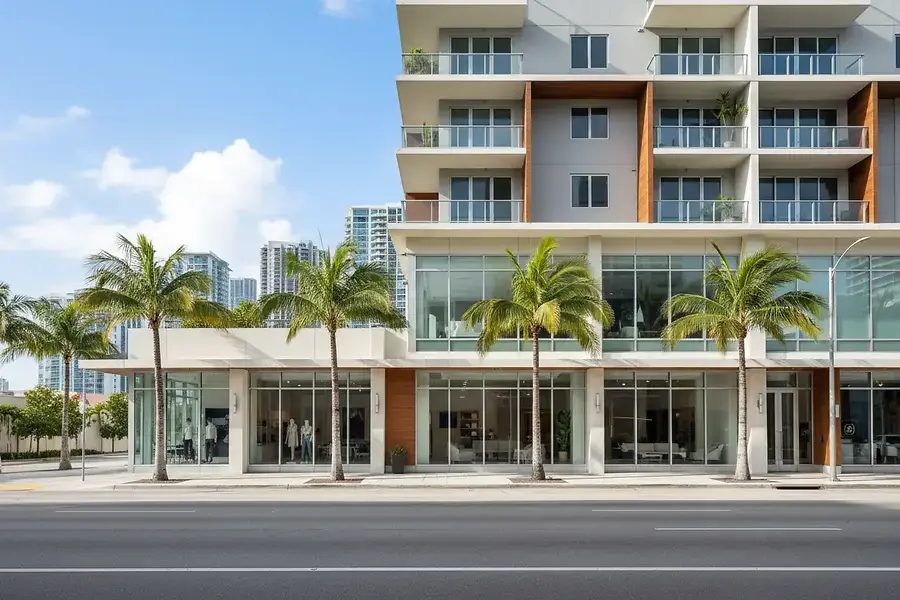
Understanding Residential/Commercial Hybrid Properties
Residential and commercial hybrid properties represent a sophisticated investment strategy that combines the stability of residential real estate with the income potential of commercial ventures. These properties feature both living spaces and business operations under one roof, creating a diversified revenue stream that traditional single-use properties cannot match.
What Are Hybrid Properties?
Hybrid properties typically include ground-floor commercial spaces—such as retail shops, offices, or service businesses—with residential apartments or condominiums above. This mixed-use approach allows investors to generate income from multiple sources simultaneously. A property might house a coffee shop on the ground floor while maintaining five residential units upstairs, for example.
Why Investors Are Choosing Hybrid Models
The appeal of hybrid properties lies in their resilience and flexibility. When one income stream fluctuates, others remain stable. Residential tenants provide consistent monthly rent, while commercial tenants often sign longer leases with higher profit margins. This diversification reduces vacancy risk and creates a more predictable cash flow pattern.
Top South Florida Markets for Multi-Use Investments
South Florida's dynamic real estate landscape offers exceptional opportunities for hybrid property investors. Three markets stand out as particularly promising:
Miami: The Urban Powerhouse
Miami's thriving downtown and emerging neighborhoods like Wynwood and Allapattah present ideal conditions for hybrid investments. The city's diverse population and strong tourism industry create robust demand for both residential and commercial spaces. Miami's market appreciation continues to outpace many national averages, making it an attractive long-term investment hub.
Fort Myers: The Growth Corridor
Fort Myers has emerged as one of Florida's fastest-growing markets, attracting both residents and entrepreneurs. The downtown revitalization efforts have created numerous opportunities for hybrid properties. Lower entry prices compared to Miami, combined with strong growth potential, make Fort Myers an excellent choice for investors seeking value and appreciation.
Cape Coral: The Emerging Gem
Cape Coral's rapid expansion and affordable pricing make it increasingly attractive for multi-unit investments. The city's focus on waterfront development and community improvements has sparked investor interest. Early investors in Cape Coral's hybrid market are positioning themselves to benefit from anticipated appreciation as the market matures.
Financial Benefits and ROI Potential
Multiple Income Streams
The primary financial advantage of hybrid properties is straightforward: more revenue sources equal higher returns. While a traditional apartment building generates income only from residential rent, a hybrid property adds commercial lease revenue. This dual-income model can increase overall property returns by 20-40% compared to single-use properties.
Tax Advantages
Hybrid property owners benefit from enhanced tax deductions. Commercial spaces qualify for accelerated depreciation schedules, while residential components maintain standard residential tax benefits. Property owners can deduct:
- Mortgage interest on both residential and commercial portions
- Operating expenses for all property components
- Depreciation on building improvements
- Professional services and property management fees
Appreciation and Long-Term Wealth Building
South Florida's real estate market has demonstrated consistent appreciation over the past decade. Hybrid properties benefit from this appreciation while generating superior cash flow during the holding period. This combination creates powerful wealth-building momentum that compounds over time.
Financing Advantages
Lenders view hybrid properties favorably due to their diversified income streams and lower default risk. This often translates to better financing terms, lower interest rates, and higher loan-to-value ratios. The commercial component's income can help qualify investors for larger loans than residential-only properties would support.
Getting Started: Steps to Evaluate and Purchase Your First Hybrid Property
Step 1: Define Your Investment Goals
Before searching for properties, clarify your objectives. Are you seeking maximum cash flow, long-term appreciation, or a balanced approach? Understanding your timeline and risk tolerance will guide your property selection and market choice.
Step 2: Conduct Market Research
Study demographic trends, commercial vacancy rates, and residential demand in your target market. Analyze comparable sales and rental rates for both residential and commercial components. This foundational research prevents costly mistakes and identifies the best opportunities.
Step 3: Analyze Property-Specific Metrics
Evaluate each potential property using these key metrics:
- Cap Rate: Calculate the property's capitalization rate to assess return on investment
- Cash-on-Cash Return: Determine annual cash flow relative to your initial investment
- Debt Service Coverage Ratio: Ensure rental income adequately covers mortgage payments
- Tenant Quality: Research existing tenants' creditworthiness and lease terms
Step 4: Assemble Your Team
Success requires expert guidance. Build a team including a real estate agent specializing in commercial properties, a commercial real estate accountant, and an attorney experienced in hybrid property transactions. These professionals protect your interests and identify opportunities you might otherwise miss.
Step 5: Perform Due Diligence
Conduct thorough inspections of both residential and commercial components. Review all leases, tenant histories, and maintenance records. Verify zoning compliance and ensure the property's mixed-use status is properly documented. This step is critical and can reveal deal-breakers or negotiation leverage.
Step 6: Secure Appropriate Financing
Work with lenders experienced in hybrid property financing. Commercial lenders often provide better terms than residential lenders for these properties. Present detailed financial projections showing both residential and commercial income streams to strengthen your loan application.
Step 7: Make Your Move
Once you've identified the right property and secured financing, move forward with confidence. The South Florida hybrid property market rewards decisive investors who've done their homework.
Conclusion
Smart multi-unit hybrid investments across South Florida's premier markets—Miami, Fort Myers, and Cape Coral—offer compelling opportunities for wealth-building. By combining residential stability with commercial income potential, investors create resilient portfolios that weather market fluctuations while generating superior returns. The time to explore hybrid property investments is now, as these markets continue to evolve and appreciate. With proper research, expert guidance, and strategic execution, your first hybrid property investment could be the foundation of substantial long-term wealth.


