Smart Property Tax Planning for Tampa and Clearwater Homeowners
Discover proven methods to minimize your annual property taxes while maximizing your home's investment value.

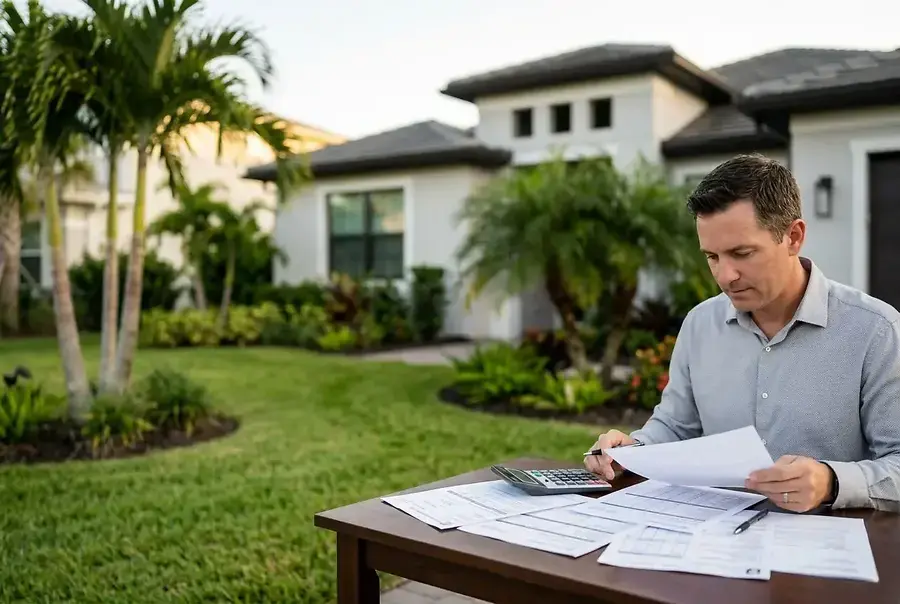
Understanding Property Tax Assessment in Florida's Residential Market
Property taxes represent one of the largest ongoing expenses for homeowners in the Tampa Bay area. Understanding how your property taxes are calculated is the first step toward effective tax planning. In Florida, property assessments are based on the fair market value of your home, which is determined by the county property appraiser's office.
The assessment process involves evaluating comparable sales in your neighborhood, the condition of your property, and recent improvements you've made. Many homeowners are surprised to learn that their assessed value may differ significantly from their actual market value. This discrepancy can work in your favor if you understand how to challenge assessments or take advantage of available exemptions.
How Property Values Are Determined
The Hillsborough County Property Appraiser and Pinellas County Property Appraiser use standardized methods to evaluate residential properties. These assessments typically occur annually, and your property's value directly impacts your tax bill. Understanding this process allows you to identify potential errors or opportunities for tax reduction.
Key factors that influence assessments include:
- Square footage and lot size
- Age and condition of the structure
- Recent renovations or improvements
- Comparable sales in your area
- Market trends and economic conditions
Legal Tax Reduction Strategies for Tampa Bay Homeowners
There are several legitimate strategies you can employ to reduce your property tax burden without compromising your home's value or your legal standing.
Challenging Your Property Assessment
If you believe your property has been overvalued, you have the right to file a formal protest with your county property appraiser. This is one of the most effective and underutilized strategies available to homeowners. You can present evidence such as recent appraisals, comparable property sales, or documentation of property defects that may have been overlooked during the assessment.
The protest process is relatively straightforward and can result in significant tax savings if successful. Many homeowners find that professional appraisals or market analysis reports strengthen their case considerably.
Making Strategic Home Improvements
While it may seem counterintuitive, certain home improvements can actually help reduce your tax burden. Focus on improvements that enhance functionality without significantly increasing your home's assessed value. Examples include energy-efficient upgrades, roof repairs, or interior renovations that don't substantially alter the property's market appeal.
Conversely, be strategic about major renovations. Some improvements—like adding square footage or luxury features—will increase your assessed value and subsequent taxes. Plan your improvements with both immediate enjoyment and long-term tax implications in mind.
Timing Your Property Transactions
If you're considering selling or refinancing your property, timing can impact your tax obligations. Understanding the assessment cycle in your county allows you to make informed decisions about when to make major financial moves related to your property.
Homestead Exemptions and Additional Tax Benefits Available to You
Florida offers several valuable tax exemptions and benefits specifically designed for homeowners. These programs can substantially reduce your annual property tax bill.
The Homestead Exemption
The homestead exemption is Florida's most significant property tax benefit for owner-occupied residences. This exemption can reduce your taxable property value by up to $50,000 or more, depending on your county and circumstances. To qualify, your property must be your primary residence, and you must be a Florida resident.
The application process is straightforward and typically involves submitting documentation to your county property appraiser's office. Many homeowners miss out on substantial savings simply because they're unaware of this benefit or haven't completed the application.
Additional Exemptions and Benefits
Beyond the standard homestead exemption, Florida offers several additional tax breaks:
- Widow/Widower Exemption: Available to surviving spouses of homestead exemption holders
- Disability Exemption: For permanently and totally disabled homeowners
- Veteran Exemptions: Various benefits for military veterans and their families
- Senior Citizen Exemption: Additional exemptions for homeowners age 65 and older
- Agricultural Exemption: For properties used for agricultural purposes
Each exemption has specific eligibility requirements, so it's worth investigating which programs apply to your situation.
Save Our Homes Amendment (SOH)
Florida's Save Our Homes Amendment caps the annual increase in assessed value for homestead properties at 3% per year, regardless of market conditions. This protection is invaluable during periods of rapid property value appreciation. Once you establish homestead exemption, this cap applies automatically, providing long-term tax stability.
Planning Ahead: How to Protect Your Property Tax Investment
Effective property tax planning requires a proactive, long-term approach. By taking strategic steps now, you can protect your investment and minimize future tax burdens.
Work with Tax Professionals
Consider consulting with a property tax specialist or real estate accountant who understands Florida's tax code. These professionals can identify opportunities specific to your situation and help you navigate complex exemptions or appeals. The cost of professional guidance often pays for itself through tax savings.
Stay Informed About Assessment Changes
Review your property tax assessment notice annually. Look for errors in property details, square footage, or condition ratings. Even small corrections can result in meaningful tax reductions. Keep documentation of any property changes or improvements you make.
Maintain Detailed Property Records
Document all improvements, repairs, and maintenance work on your property. Photographs, receipts, and contractor information can be valuable if you need to challenge an assessment or prove that certain improvements don't warrant a tax increase.
Plan for Long-Term Ownership
If you plan to remain in your Tampa or Clearwater home for many years, the Save Our Homes Amendment provides substantial protection. However, if you anticipate selling within a few years, different strategies may apply.
Understanding your personal timeline helps you make tax decisions that align with your broader financial goals.
Monitor Legislative Changes
Florida's property tax laws can change, and new exemptions or benefits may become available. Stay informed about legislative updates that could affect your tax situation. Local property appraiser offices and county websites provide valuable resources for current information.
Smart property tax planning is an ongoing process, not a one-time event. By understanding how assessments work, taking advantage of available exemptions, and staying proactive about your property's valuation, Tampa and Clearwater homeowners can significantly reduce their tax burden while protecting their investment for years to come.


