Smart Residential to Commercial Property Conversions in Delaware Valley
Discover how property owners are maximizing investment potential by transitioning residential properties into profitable mixed-use spaces across Wilmington, Newark, and surrounding communities.

Introduction: The Growing Demand for Adaptive Property Solutions in Delaware Valley
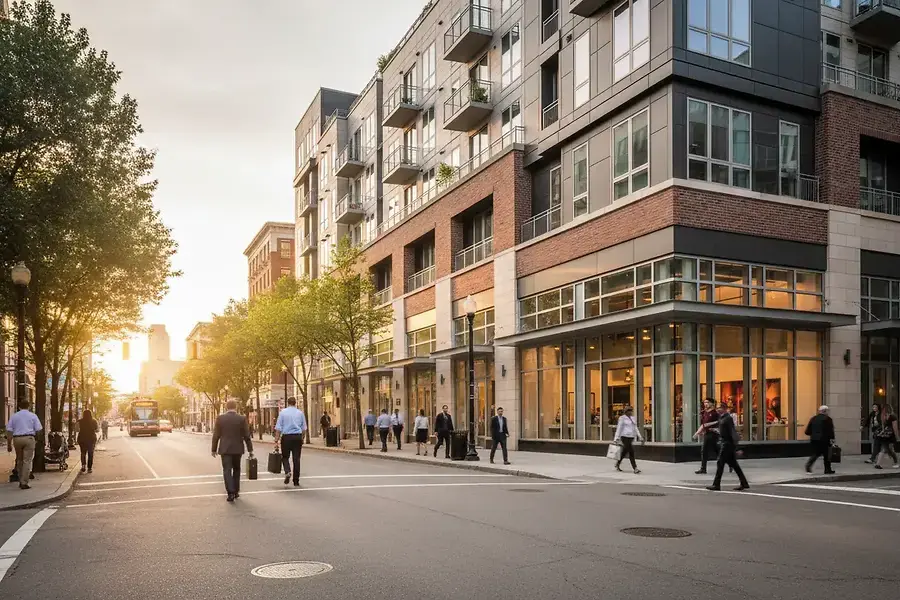
The Delaware Valley region is experiencing a significant shift in real estate investment strategies. Property owners across Wilmington, Newark, and surrounding communities are recognizing the tremendous potential in converting residential properties into mixed-use commercial spaces. This trend reflects broader market demands for flexible, multi-functional properties that serve both residential and commercial needs.
The appeal is clear: adaptive property conversions offer higher rental yields, increased property values, and greater flexibility in responding to market demands. As urban centers continue to densify and suburban areas develop, the ability to transition a property from purely residential to mixed-use becomes an increasingly valuable asset. Whether it's converting a single-family home into office space with residential units above, or transforming a residential building into retail with apartments, these conversions are reshaping the regional real estate landscape.
Property owners who understand the opportunities and navigate the conversion process successfully are positioning themselves for long-term wealth creation. However, success requires more than just vision—it demands careful attention to zoning laws, building codes, and market analysis.
Zoning Regulations and Legal Requirements for Residential-to-Commercial Conversions
Understanding Delaware Valley Zoning Laws
Before embarking on any residential-to-commercial conversion, property owners must thoroughly understand local zoning regulations. The Delaware Valley encompasses multiple municipalities, each with its own zoning ordinances. Zoning classifications determine what uses are permitted on a property, and converting from residential to commercial often requires navigating complex regulatory frameworks.
Key zoning considerations include:
- Use Classification: Determining whether your property falls under residential, commercial, or mixed-use zoning
- Permitted Uses: Identifying which commercial activities are allowed in your specific zone
- Conditional Uses: Understanding when special permits or variances may be required
- Setback and Height Requirements: Ensuring your conversion plans comply with dimensional standards
- Parking Requirements: Meeting commercial parking obligations, which often exceed residential standards
Obtaining Necessary Permits and Approvals
The conversion process typically requires multiple permits and approvals. Property owners should expect to work with municipal planning departments, zoning boards, and potentially historic preservation commissions. Common requirements include:
- Zoning variance or conditional use permit applications
- Site plan reviews and approvals
- Building permits for structural modifications
- Environmental assessments and Phase I environmental site assessments
- Traffic impact studies for high-traffic commercial uses
- Architectural review in certain historic districts
The timeline for obtaining approvals can range from several months to over a year, depending on complexity and local processes. Engaging experienced real estate attorneys and planning consultants early in the process can significantly streamline approvals and prevent costly mistakes.
Building Code Compliance and Safety Standards
Converting residential properties to commercial use requires meeting updated building codes. Fire safety systems, egress requirements, accessibility standards, and mechanical systems often need upgrades. These improvements represent significant capital investments but are essential for legal operation and tenant safety.
Success Stories: Real Examples of Profitable Mixed-Use Transformations
The Wilmington Downtown Revitalization Model
Several property owners in downtown Wilmington have successfully converted older residential buildings into vibrant mixed-use spaces. One notable example involved transforming a 1920s residential building into a ground-floor retail space with office suites above. The conversion increased the property's annual rental income by 300% while revitalizing a previously underutilized block.
The project required careful navigation of Wilmington's historic district guidelines, but the result demonstrates how adaptive reuse can create value while preserving architectural heritage. The property now attracts premium tenants and has become a catalyst for neighborhood improvement.
Newark's Emerging Mixed-Use Corridor
Newark has seen impressive growth in residential-to-commercial conversions, particularly along its main commercial corridors. Property owners have capitalized on the city's growing population and business activity by converting single-family homes into professional office buildings with residential units.
One successful conversion involved a three-story residential property that became a medical office building with two residential apartments on the upper floors. This mixed-use approach allowed the owner to serve multiple market segments while maximizing property utilization. The project achieved full occupancy within six months of completion, with commercial tenants paying premium rates for convenient downtown locations.
Suburban Success: The Live-Work Model
Beyond urban centers, suburban property owners are finding success with live-work conversions. These properties combine residential space with home-based businesses, professional offices, or creative studios. One property owner in the surrounding communities converted a residential property into a design studio with a residential loft, creating an attractive offering for creative professionals seeking integrated work-life spaces.
The live-work model appeals to modern professionals and commands premium rental rates, often 20-30% higher than traditional residential or commercial spaces alone. These conversions require careful attention to zoning compliance but offer significant financial rewards.
Conclusion: Positioning Your Property for Long-Term Value and Market Demand
Smart residential-to-commercial conversions represent a powerful strategy for Delaware Valley property owners seeking to maximize investment returns. The region's growing demand for mixed-use spaces, combined with strategic location advantages in Wilmington, Newark, and surrounding communities, creates compelling opportunities.
Success requires:
- Thorough understanding of local zoning and regulatory requirements
- Professional guidance from attorneys, architects, and planning consultants
- Careful market analysis to identify demand for specific commercial uses
- Realistic budgeting for permits, approvals, and building improvements
- Strategic tenant selection to maximize long-term value
Property owners who embrace adaptive reuse strategies position themselves at the forefront of Delaware Valley's real estate evolution, creating assets that serve multiple market needs while generating superior returns.
The transformation from residential to commercial is not merely a real estate transaction—it's an investment in the future of your property and the communities you serve. By understanding the regulatory landscape, learning from successful examples, and approaching conversions strategically, property owners can unlock significant value while contributing to vibrant, mixed-use communities across the Delaware Valley.


