Smart Staging Strategies for Selling Homes in Greater Boston
Learn how to transform your home's appeal and attract serious buyers in today's competitive residential market.

Introduction: Why Home Staging Matters in Greater Boston's Market
The Greater Boston real estate market is highly competitive, with buyers having numerous options to choose from. In this environment, home staging has become an essential tool for sellers who want to maximize their property's appeal and selling potential. Staging isn't about deceiving buyers—it's about presenting your home in its absolute best light, allowing potential purchasers to envision themselves living there.
Research shows that well-staged homes sell faster and often command higher prices than unstaged properties. In a market where first impressions can make or break a sale, strategic staging can be the difference between a home that sits on the market and one that attracts multiple offers.
Curb Appeal and Exterior Staging: Making a Strong First Impression
The Power of First Impressions
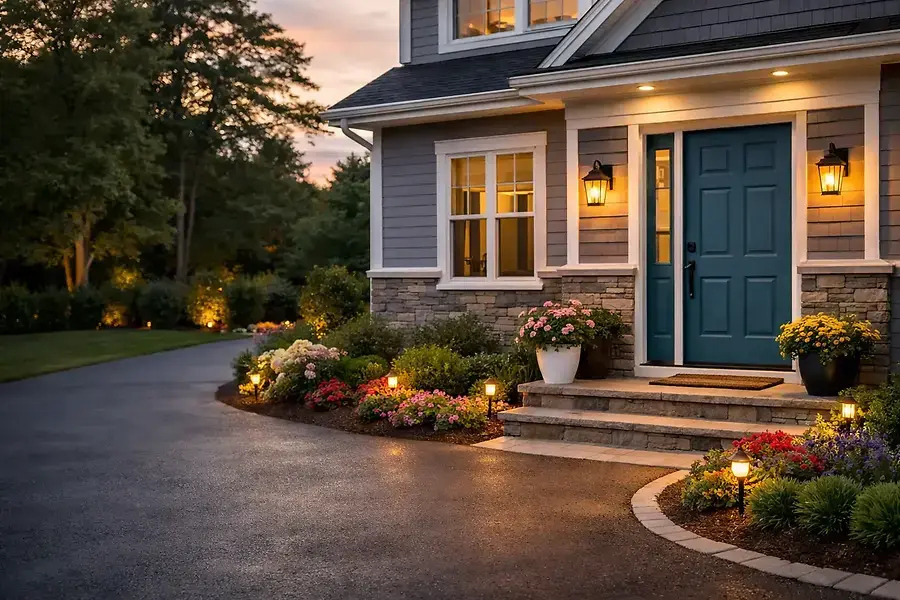
Buyers form opinions about a property within seconds of arriving. Your home's exterior is the first thing potential buyers see, making curb appeal absolutely critical. A well-maintained exterior signals that the entire property has been cared for, while a neglected appearance can turn buyers away before they even step inside.
Essential Exterior Staging Tips
- Landscaping and Lawn Care: Trim overgrown bushes, mow the lawn regularly, and add fresh mulch to garden beds. Consider planting colorful flowers or shrubs to add visual interest and warmth to your entrance.
- Front Door Enhancement: Paint your front door a welcoming color, replace hardware if needed, and ensure the entrance is spotless. A fresh, inviting front door creates an immediate positive impression.
- Pressure Washing: Clean the driveway, walkways, and exterior walls to remove dirt and grime. A clean exterior looks newer and better maintained.
- Lighting: Install attractive outdoor lighting fixtures near the entrance and along pathways. Good lighting improves safety perception and adds elegance to your home's exterior.
- Seasonal Touches: Add tasteful seasonal decorations or planters that complement your home's style without overwhelming the space.
Addressing Structural Concerns
Before staging, address any visible structural issues. Peeling paint, broken shutters, or damaged siding should be repaired or replaced. These issues suggest poor maintenance and can deter serious buyers immediately.
Interior Design Tips: Creating Spaces Buyers Can Envision as Their Own
Decluttering and Depersonalizing
One of the most important staging principles is removing personal items and excess clutter. While your family photos and collections are meaningful to you, they can distract buyers from envisioning their own lives in the space. Remove about 30-50% of your belongings, focusing on:
- Family photographs and personal memorabilia
- Excessive decorative items on shelves and surfaces
- Hobby equipment and sports gear
- Oversized furniture that makes rooms feel cramped
Creating Neutral, Inviting Spaces
Neutral color palettes appeal to a broader range of buyers. Paint walls in soft, neutral tones like beige, gray, or soft white if your current colors are bold or dated. This allows buyers to imagine their own style in the space. Keep window treatments simple and clean—heavy drapes can make rooms feel dark and dated.
Furniture Arrangement and Space Planning
Arrange furniture to highlight the functionality and flow of each room. Avoid blocking natural light sources and ensure pathways through rooms are clear and intuitive. In smaller spaces, use furniture strategically to make rooms feel larger and more open. Remove unnecessary furniture pieces that make rooms feel crowded.
Lighting and Ambiance
Proper lighting can transform a space dramatically. Maximize natural light by opening curtains and blinds during showings. Add table lamps and floor lamps to create warm, inviting ambiance in darker corners. Ensure all light bulbs are working and consider using warm-toned bulbs for a welcoming feel.
Kitchen and Bathroom Excellence
These two spaces are critical decision-making areas for buyers. In the kitchen:
- Clean and organize cabinets and countertops
- Remove appliances and items from counters to create a spacious feel
- Ensure all appliances are clean and functioning
- Add fresh flowers or a bowl of fresh fruit for a homey touch
In bathrooms:
- Remove personal care items and clutter from counters
- Ensure fixtures are clean and shiny
- Add fresh towels in neutral colors
- Use pleasant scents subtly—avoid overwhelming fragrances
Creating Emotional Connections
Staging isn't about creating a sterile showroom—it's about helping buyers emotionally connect with your home and imagine their future there.
Strategic touches like fresh flowers, a neatly made bed, or a cozy reading nook can help buyers feel the warmth and potential of your home. However, keep these touches minimal and tasteful to avoid appearing staged.
Conclusion: Staging as Your Competitive Advantage in Greater Boston Real Estate
In Greater Boston's competitive market, smart staging strategies can significantly impact your home's marketability and sale price. By focusing on curb appeal, decluttering, creating neutral spaces, and highlighting your home's best features, you position yourself for success.
Remember that staging is an investment in your home's presentation, and the returns—in terms of faster sales and higher offers—often far exceed the staging costs. Whether you choose to stage your home yourself or hire a professional stager, the effort you put into presenting your property will pay dividends.
As you prepare to sell your Greater Boston home, view staging not as an expense but as a strategic marketing tool. By implementing these proven strategies, you'll attract serious buyers, generate more interest, and ultimately achieve better results in your real estate transaction.


