Smart Strategies for Converting Commercial Spaces into Residential Units
Learn how adaptive reuse projects are creating affordable housing while maximizing investment returns in today's market.

The Rise of Commercial-to-Residential Conversions
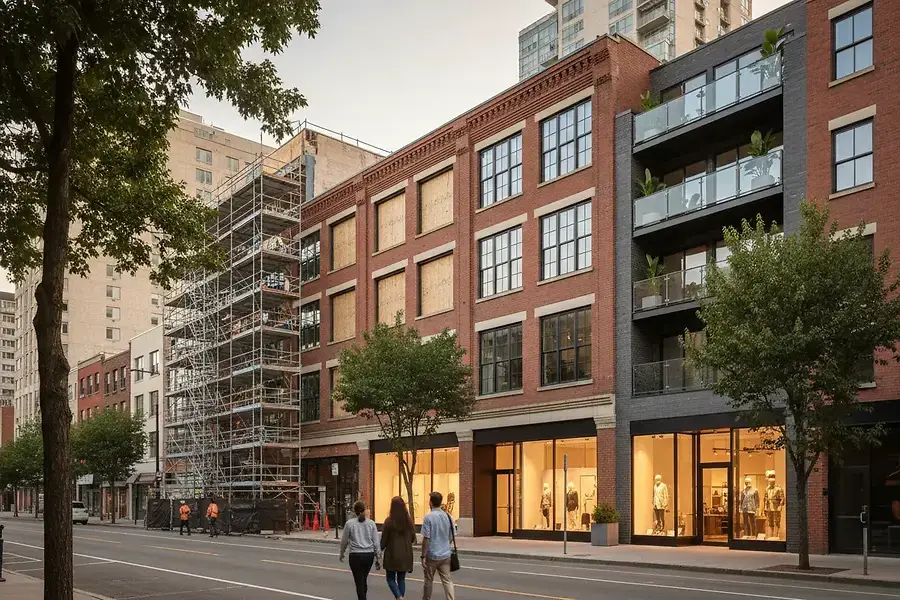
The transformation of vacant commercial spaces into vibrant residential communities represents one of the most dynamic trends in real estate development today. As urban centers face housing shortages and downtown areas struggle with empty office buildings, adaptive reuse projects have emerged as a practical solution that addresses multiple challenges simultaneously.
Commercial-to-residential conversions offer a unique opportunity for developers and investors to capitalize on underutilized properties while contributing to the affordable housing crisis. Rather than demolishing aging structures, these projects breathe new life into existing buildings, preserving architectural character while meeting contemporary housing demands.
Why the Market is Shifting
Several factors are driving this trend forward:
- Housing Demand: Urban areas continue to experience population growth and housing shortages, creating strong demand for residential units.
- Vacant Commercial Space: Post-pandemic shifts in work patterns have left many office buildings underutilized, making them prime candidates for conversion.
- Sustainability Focus: Adaptive reuse aligns with environmental goals by reducing demolition waste and preserving existing infrastructure.
- Economic Incentives: Tax credits and government programs increasingly support these projects, improving financial viability.
Investors who understand this landscape can position themselves ahead of the curve, capturing value while addressing critical community needs.
Understanding Zoning Laws and Regulatory Requirements for Mixed-Use Development
Before breaking ground on any conversion project, developers must navigate a complex web of zoning regulations and building codes. This regulatory landscape varies significantly by jurisdiction, making local expertise invaluable.
Zoning Considerations
Most commercial zones were designed specifically for business use, and residential conversions require careful zoning analysis:
- Zoning Variances: Many conversions require variances or conditional use permits to change the property's designated use from commercial to residential.
- Mixed-Use Zoning: Some municipalities have created mixed-use zones that explicitly allow residential units above or within commercial buildings, streamlining the approval process.
- Density Requirements: Residential zoning often includes specific density limits, parking requirements, and setback regulations that differ from commercial standards.
- Parking Mandates: Converting commercial space to residential typically requires meeting residential parking standards, which can significantly impact project feasibility.
Building Code Compliance
Converting commercial spaces to residential use triggers numerous building code requirements that can substantially affect project costs:
Egress and Safety: Residential units require multiple means of egress, fire-rated stairwells, and sprinkler systems that commercial spaces may lack. These safety requirements are non-negotiable and often represent significant construction expenses.
Mechanical Systems: Residential units demand different HVAC, plumbing, and electrical systems than commercial spaces. Individual unit utilities, kitchen facilities, and bathroom requirements necessitate substantial infrastructure upgrades.
Accessibility Standards: ADA compliance for residential units differs from commercial requirements, particularly regarding unit design, hallway widths, and accessible routes throughout the building.
Permitting Strategy
Successful developers engage early with planning departments and building officials. Pre-application meetings can identify potential obstacles and streamline the approval process. Working with experienced architects and engineers who understand local codes is essential for accurate cost estimation and timeline planning.
Financial Planning and ROI Expectations for Conversion Projects
The financial success of commercial-to-residential conversions depends on careful analysis and realistic projections. Understanding costs, revenue potential, and available incentives is critical for project viability.
Cost Structure Analysis
Conversion projects typically involve higher per-unit costs than new construction due to the complexity of adapting existing structures:
- Acquisition Costs: Commercial properties are often available at significant discounts compared to residential land, providing the initial financial advantage.
- Hard Costs: Structural modifications, mechanical system upgrades, and code compliance work can range from 40-60% of total project costs.
- Soft Costs: Architectural design, engineering, permitting, and professional fees typically account for 15-25% of total costs.
- Contingency Planning: Adaptive reuse projects benefit from generous contingency reserves (15-20%) due to unforeseen conditions in existing structures.
Revenue Projections
Successful conversions generate revenue through multiple channels:
Residential Rental Income: Monthly rent from residential units provides stable, long-term cash flow. Market rates vary by location, unit size, and amenities, but converted lofts and apartments often command premium pricing due to their unique character and location in desirable urban areas.
Mixed-Use Potential: Many conversion projects incorporate ground-floor retail or commercial space, generating additional revenue while activating street-level activity and supporting community vitality.
Appreciation and Exit Strategy: As neighborhoods revitalize around successful conversion projects, property values typically appreciate, creating substantial equity gains at sale or refinancing.
Leveraging Financial Incentives
Multiple programs can significantly improve project economics:
- Historic Tax Credits: Properties listed on historic registers may qualify for federal and state tax credits covering 20-40% of qualified rehabilitation costs.
- New Markets Tax Credits: Projects in economically distressed areas can access credits that reduce investor capital requirements.
- Opportunity Zone Benefits: Investments in designated Opportunity Zones offer capital gains deferral and step-up benefits.
- Local Incentives: Many municipalities offer property tax abatements, density bonuses, or parking requirement reductions to encourage conversions.
Sophisticated developers work with tax professionals and financial advisors to structure deals that maximize available incentives, significantly improving overall returns.
ROI Expectations
Well-executed conversion projects typically deliver competitive returns compared to traditional development. Conservative projections suggest 12-18% annual returns on equity, with potential for higher returns in strong markets. The combination of stable rental income, property appreciation, and tax incentives creates attractive risk-adjusted returns.
Positioning Yourself as the Adaptive Reuse Expert
As commercial-to-residential conversions become increasingly common, developers who master this niche gain significant competitive advantages. Building expertise requires focused effort across multiple dimensions:
Developing Deep Local Knowledge
Success in adaptive reuse depends on understanding local market conditions, regulatory environments, and community dynamics. Invest time in building relationships with planning officials, city council members, and community leaders. Attend zoning board meetings, participate in planning commission discussions, and demonstrate commitment to creating quality housing that benefits neighborhoods.
Building a Specialized Team
Assemble professionals with specific adaptive reuse experience: architects skilled in historic preservation, engineers experienced with building system conversions, and contractors comfortable with renovation complexity. A strong team can identify creative solutions that reduce costs and accelerate timelines.
Staying Current with Market Trends
The adaptive reuse landscape evolves continuously. Stay informed about emerging technologies, changing regulations, and successful case studies. Participate in industry organizations, attend conferences, and maintain networks with other developers working in this space.
The future of urban housing development belongs to those who can see potential in existing structures and execute the complex projects required to unlock that value.
Conclusion: Positioning Yourself as the Adaptive Reuse Expert
Commercial-to-residential conversions represent far more than a real estate trend—they represent a fundamental shift in how cities evolve and meet housing needs. By mastering zoning regulations, understanding financial mechanics, and building specialized expertise, developers can create projects that generate strong returns while revitalizing communities.
The convergence of housing demand, vacant commercial space, and supportive policy frameworks creates an unprecedented opportunity for developers willing to embrace adaptive reuse. Those who develop deep expertise in navigating the regulatory landscape, structuring complex financials, and executing quality projects will find themselves in high demand as this market segment continues to expand.
The time to build your adaptive reuse expertise is now. Start by identifying promising properties in your market, connecting with local officials, and assembling a team capable of executing sophisticated conversion projects. The developers who master this skill set will lead urban development for years to come.


