South Bend Home Inspection Essentials: What Buyers Need to Know
Protect your investment by understanding the critical inspection points that can make or break your South Bend home purchase.

Why Home Inspections Matter in South Bend's Market
Purchasing a home is one of the most significant financial decisions you'll make in your lifetime. In South Bend's competitive real estate market, a thorough home inspection is your best defense against costly surprises after closing. Many first-time buyers underestimate the importance of this critical step, viewing it as just another checkbox in the buying process. However, a comprehensive inspection can reveal hidden structural issues, outdated systems, and maintenance problems that could cost thousands to repair.
South Bend's climate and aging housing stock make inspections particularly important. The region experiences harsh winters with significant snowfall and temperature fluctuations that can stress building materials and systems. Older homes, which are common in South Bend neighborhoods, may have outdated electrical systems, aging plumbing, or deteriorating foundations that require immediate attention. A professional inspector will identify these issues before you commit to the purchase, giving you the leverage to negotiate repairs or price adjustments.
Key Areas Inspectors Examine in South Bend Properties
Foundation and Structural Integrity
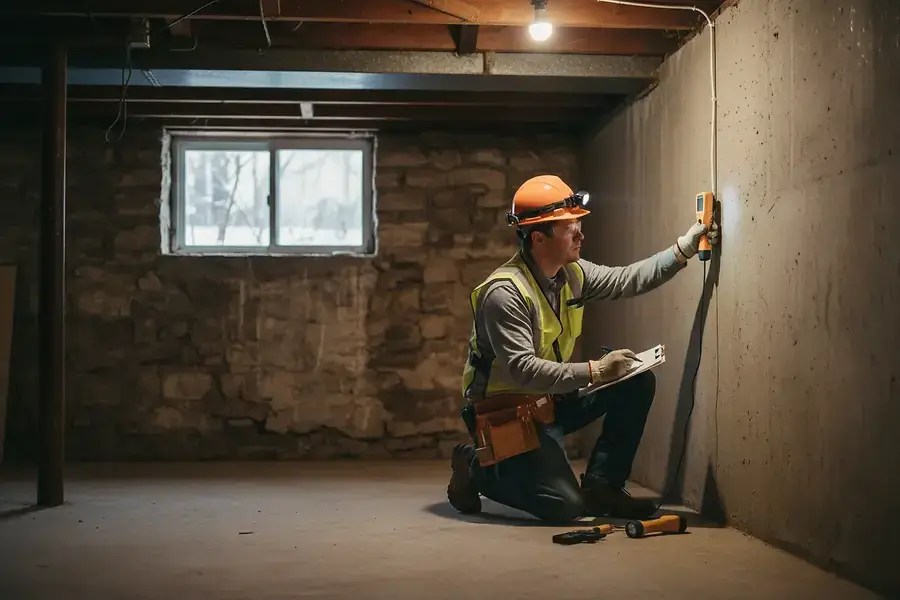
The foundation is the backbone of any home, and South Bend's freeze-thaw cycles can be particularly harsh on concrete and masonry. Inspectors will look for cracks, settling, water intrusion, and signs of foundation movement. They'll examine basement walls for moisture, efflorescence (white mineral deposits), and any evidence of previous water damage. A compromised foundation can lead to structural problems throughout the entire home, making this one of the most critical inspection areas.
Roofing and Exterior
Your roof protects everything beneath it, and South Bend's weather demands a well-maintained exterior. Inspectors evaluate roof age, shingle condition, flashing integrity, and gutter systems. They'll check for missing or damaged shingles, improper ventilation, and signs of leaks. The exterior inspection also includes siding, windows, doors, and caulking—all essential for keeping moisture out of your home during harsh winters.
HVAC Systems
Heating systems are non-negotiable in South Bend. Inspectors will assess the furnace age, efficiency, and condition, along with the air conditioning unit. They'll verify that the system is properly sized for the home and check ductwork for leaks or blockages. An aging or failing HVAC system can be one of the most expensive replacements, so understanding its condition is crucial.
Plumbing and Water Systems
Inspectors examine water pressure, drainage, pipe materials, and water heater condition. They'll identify outdated galvanized pipes that may need replacement and check for signs of leaks or corrosion. The water heater's age and functionality are particularly important, as replacements can cost $1,000 or more.
Electrical Systems
An outdated electrical system is a safety hazard and a financial concern. Inspectors verify that the panel is properly grounded, breakers function correctly, and outlets are safely installed. They'll identify any aluminum wiring, which poses fire risks, and ensure the home has adequate capacity for modern electrical demands.
Interior Components
Beyond major systems, inspectors examine walls, ceilings, floors, doors, windows, and stairs for damage, wear, and safety issues. They'll look for signs of pest damage, mold, or previous water intrusion that might indicate larger problems.
Red Flags and How to Respond to Inspection Findings
Understanding the Inspection Report
Your inspection report will categorize findings by severity. Major issues require immediate attention and can significantly impact the home's value. Minor issues are typically cosmetic or involve routine maintenance. Understanding this distinction helps you prioritize your response.
Common Red Flags in South Bend Homes
- Foundation cracks or water in the basement: These indicate structural or moisture problems that require professional assessment and can be expensive to remediate.
- Roof age over 20 years: Replacement is likely needed soon, representing a major expense.
- Outdated electrical panels or aluminum wiring: Safety hazards that need immediate professional attention.
- Signs of mold or pest infestation: These can spread quickly and indicate underlying moisture or maintenance issues.
- Failing HVAC systems: Replacement costs can exceed $5,000, making this a significant negotiation point.
- Plumbing issues or outdated pipes: Galvanized or polybutylene pipes may need replacement.
Negotiation Strategies
Once you receive the inspection report, you have several options. You can request the seller make repairs before closing, ask for a price reduction to cover repair costs, or request a credit at closing to handle repairs yourself. For major issues, it's often wise to obtain repair estimates from licensed contractors to support your negotiations.
Pro tip: Don't use the inspection as a renegotiation tool for minor cosmetic issues. Sellers are more likely to work with you on legitimate structural or safety concerns.
When to Walk Away
Some inspection findings may indicate problems too severe or costly to justify the purchase. If the home requires extensive foundation repairs, has significant mold issues, or needs complete system replacements, walking away might be the wisest financial decision. Your real estate agent and inspector can help you evaluate whether repair costs make the property a poor investment.
Making Informed Decisions with Inspection Data
A home inspection is an investment in your peace of mind and financial security. By understanding what inspectors look for and how to interpret their findings, you empower yourself to make informed decisions about your South Bend home purchase. Don't skip this critical step or choose the cheapest inspector available—quality inspections often reveal issues that save buyers thousands of dollars.
Work closely with your real estate agent, inspector, and lender to understand the full implications of any inspection findings. Remember, the goal isn't to find a perfect home—it's to understand exactly what you're buying and to negotiate fairly based on the property's true condition. With this knowledge, you can move forward confidently in South Bend's real estate market.


