South-Central PA Real Estate: Mixed-Use Development Opportunities
Discover how commercial and residential properties are transforming communities across Lancaster, York, Gettysburg, and surrounding towns.

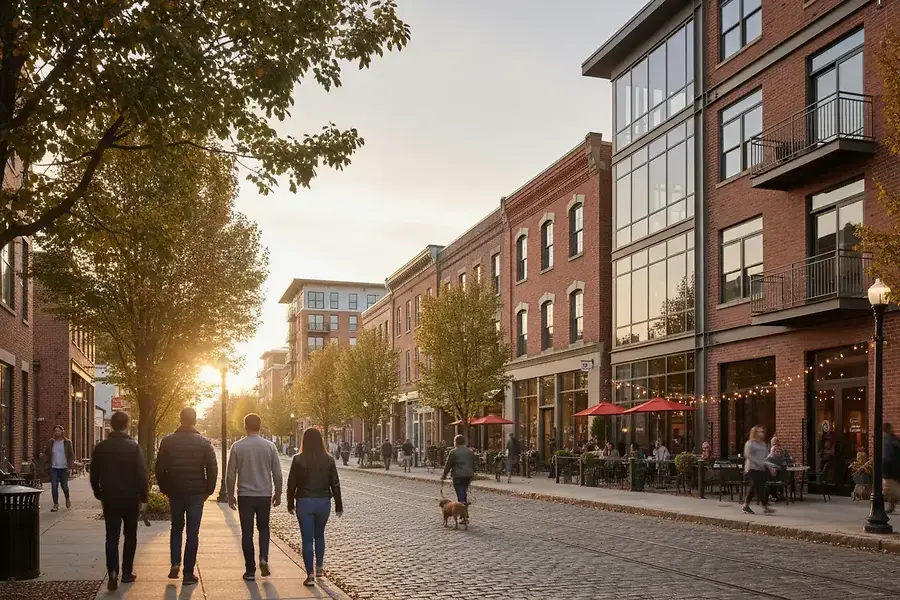
The Rise of Mixed-Use Properties in South-Central Pennsylvania
South-Central Pennsylvania is experiencing a significant transformation in its real estate landscape. The region, traditionally known for its agricultural heritage and historic charm, is now becoming a hotbed for mixed-use development—properties that seamlessly blend commercial and residential spaces under one roof or within the same development.
This shift represents more than just a change in architecture; it reflects evolving consumer preferences and a growing recognition that vibrant communities thrive when people can live, work, and play in close proximity. From downtown revitalization projects to new construction developments, mixed-use properties are reshaping how South-Central Pennsylvania communities function and grow.
The appeal is clear: walkable neighborhoods, reduced commute times, and dynamic street-level activity create environments that attract both residents and businesses. For real estate professionals and investors, this trend presents unprecedented opportunities to participate in community transformation while building profitable ventures.
Why Investors Are Targeting Commercial-Residential Hybrid Markets in the Region
Economic Fundamentals Driving Growth
Several factors make South-Central Pennsylvania an attractive market for mixed-use development:
- Affordable Land Costs: Compared to major metropolitan areas, land in South-Central PA remains reasonably priced, allowing developers to create larger, more ambitious projects.
- Growing Population: The region is experiencing steady population growth, with young professionals and families seeking affordable alternatives to crowded urban centers.
- Strategic Location: Positioned between Philadelphia and Pittsburgh, South-Central PA offers accessibility to major markets while maintaining its own distinct character.
- Infrastructure Investment: Improved transportation networks and utilities support large-scale development projects.
The Demand for Walkable Communities
Today's consumers—particularly millennials and Gen Z—prioritize walkability and community engagement. They want to grab coffee at a local café, work in a nearby office, and return home without requiring a car. Mixed-use developments deliver exactly this lifestyle, making them increasingly desirable and valuable.
This demographic shift has created a supply-demand imbalance in South-Central PA. Existing housing stock often lacks the integrated commercial amenities that modern residents expect, creating a golden opportunity for developers who can deliver these experiences.
Financial Advantages
Mixed-use properties offer compelling financial benefits:
- Diversified revenue streams from both residential and commercial tenants
- Higher property valuations due to increased utility and appeal
- Reduced vacancy risk through tenant diversification
- Potential for tax incentives and grants in revitalization zones
Key Towns Leading the Mixed-Use Development Trend: From Lancaster to Littlestown
Lancaster: The Regional Pioneer
Lancaster stands at the forefront of South-Central PA's mixed-use revolution. The city's downtown has undergone remarkable revitalization, with historic buildings converted into loft apartments above ground-floor retail and restaurants. King Street and Queen Street now feature vibrant streetscapes that attract both residents and visitors.
New projects continue to emerge, with developers recognizing Lancaster's potential as a destination city. The combination of Amish country tourism, a growing tech sector, and a young professional population creates a unique market dynamic that supports mixed-use development.
York: Industrial Heritage Meets Modern Living
York is transforming its industrial past into a modern mixed-use future. The city's waterfront areas are being reimagined with residential lofts, office spaces, and entertainment venues. This revitalization has sparked broader community investment and attracted new businesses seeking authentic, character-filled locations.
York's success demonstrates how mixed-use development can breathe new life into communities with industrial heritage, creating spaces that honor the past while embracing the future.
Gettysburg and Beyond
Gettysburg, known for its historic significance, is carefully integrating mixed-use development that respects its heritage while meeting modern needs. Surrounding towns like Littlestown, Ephrata, and Lititz are also exploring mixed-use opportunities, recognizing that these developments strengthen local economies and enhance quality of life.
Each community brings its own character to mixed-use development, creating diverse opportunities for investors and developers who understand local markets and community values.
How Real Estate Professionals Can Capitalize on This Growing Market Segment
Identify Emerging Opportunities
Real estate professionals should focus on:
- Underutilized downtown areas with strong bones and character
- Properties near transportation hubs and major employers
- Communities showing signs of population growth and economic development
- Areas with supportive local government and development incentives
Build Local Expertise
Success in mixed-use development requires deep local knowledge. Professionals should understand zoning regulations, community preferences, demographic trends, and economic drivers specific to each town. This expertise becomes a competitive advantage when advising clients or developing projects.
Foster Community Partnerships
The most successful mixed-use developments emerge from genuine partnerships between developers, local government, and community stakeholders. Real estate professionals who can facilitate these relationships and navigate community concerns will find greater success and support for their projects.
Stay Ahead of Market Trends
Mixed-use development is evolving rapidly. Professionals should monitor:
- Changing consumer preferences regarding work-from-home and flexible office spaces
- Sustainability and green building expectations
- Technology integration in residential and commercial spaces
- Shifting retail landscapes and e-commerce impacts on ground-floor retail
Develop Specialized Skills
Mixed-use development involves complex financing, zoning, and project management. Real estate professionals who invest in understanding these complexities—through education, mentorship, and hands-on experience—position themselves as trusted advisors and valuable partners in bringing these projects to life.
The future of South-Central Pennsylvania real estate belongs to those who understand that communities thrive when people can live, work, and connect in integrated, walkable environments.
Conclusion
South-Central Pennsylvania's mixed-use development market represents a significant opportunity for investors, developers, and real estate professionals. With affordable land, growing demand for walkable communities, and successful examples already transforming towns like Lancaster and York, the region is positioned for continued growth in this sector.
Those who develop expertise in mixed-use development, build strong community relationships, and stay attuned to evolving market trends will find themselves well-positioned to capitalize on this transformative movement. The communities of South-Central PA are ready for change—and the real estate professionals who facilitate that change will build lasting success.


