South Florida Home Inspection Checklist: What Buyers Should Know
Learn the critical inspection points that can save you thousands when purchasing a home in Florida's competitive real estate market.

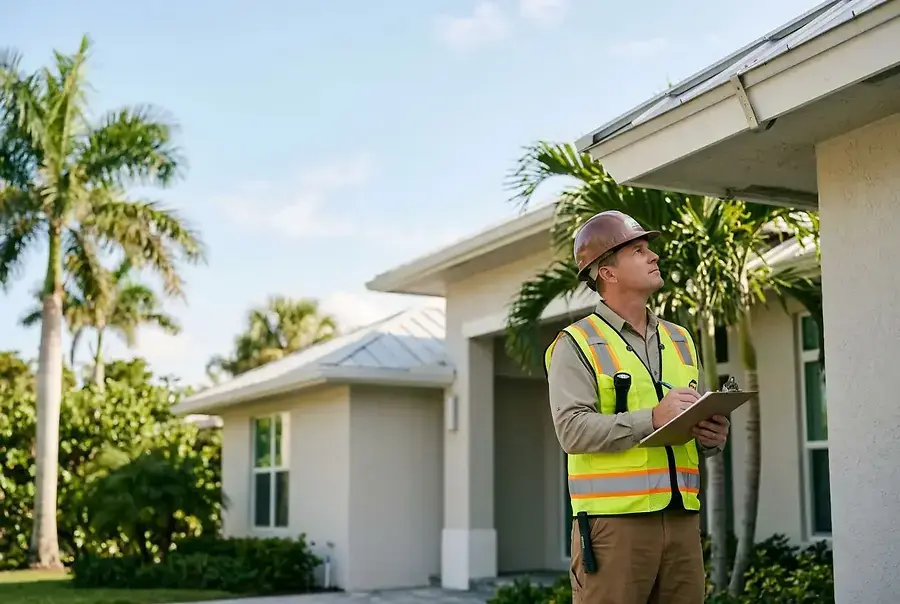
Understanding Florida-Specific Home Inspection Concerns
Purchasing a home in South Florida comes with unique challenges that differ significantly from other regions. The tropical climate, high humidity, and proximity to saltwater create distinct inspection priorities that every buyer should understand before making one of the largest investments of their life.
Hurricane and Wind Damage
Florida's hurricane season runs from June through November, making wind and water damage a critical concern. During your inspection, ask your inspector to examine the roof for missing shingles, improper fastening, and signs of previous repairs. Check for proper hurricane straps and reinforcements that secure the roof to the home's structure. These upgrades can mean the difference between minor damage and catastrophic loss during severe weather.
Moisture and Mold Issues
The combination of heat and humidity in South Florida creates an ideal environment for mold growth. Moisture intrusion is one of the most expensive problems to remediate, so your inspector should thoroughly examine:
- Attic spaces for signs of water staining or discoloration
- Crawl spaces and foundation areas
- Windows and door frames for water damage
- HVAC systems and ductwork
- Bathrooms and kitchen areas prone to moisture accumulation
Salt Corrosion and Metal Degradation
Homes near the coast face accelerated corrosion of metal components. Your inspector should evaluate air conditioning units, metal roofing, fasteners, and outdoor fixtures for rust and deterioration. Coastal properties require more frequent maintenance and replacement of metal components, which can significantly impact long-term ownership costs.
Essential Interior and Exterior Inspection Areas
Roof and Attic
The roof is your home's first line of defense against Florida's weather. A thorough inspection should include:
- Age and condition of roofing materials
- Proper ventilation and insulation in the attic
- Flashing around chimneys, vents, and skylights
- Evidence of previous leaks or repairs
- Structural integrity of roof decking
Foundation and Concrete
Florida's sandy soil and high water table create unique foundation challenges. Look for cracks, settling, or signs of water intrusion in the foundation. Concrete driveways and pool decks should be inspected for deterioration, as salt exposure and freeze-thaw cycles (though rare) can cause damage. Many South Florida homes are built on pilings or stilts—ensure these supports are sound and properly maintained.
Plumbing and Water Systems
Florida's mineral-rich water can cause rapid pipe deterioration. Your inspector should:
- Check for corrosion in copper pipes and galvanized steel
- Test water pressure and flow rates
- Inspect the water heater for age and condition
- Examine septic systems (if applicable) for proper function
- Look for signs of leaks under sinks and around toilets
HVAC Systems
Air conditioning is essential in South Florida, not a luxury. Your inspector should verify that the AC unit is properly sized for the home, regularly maintained, and functioning efficiently. A failing air conditioning system can cost $5,000 to $15,000 to replace, making this a critical inspection point.
Electrical Systems
Ensure the electrical panel is properly grounded and protected from moisture. Check for outdated wiring, insufficient outlets, and any signs of electrical damage or hazards. Older homes may have aluminum wiring, which poses fire risks and should be professionally evaluated.
Windows and Doors
Impact-resistant windows and doors are increasingly common in South Florida. Verify that any impact-resistant features are functioning properly and that seals are intact. Check for water intrusion around frames and proper operation of all locks and mechanisms.
Red Flags and How to Negotiate After Inspection Results
Major Red Flags to Watch For
Certain inspection findings should prompt serious consideration:
- Extensive mold or moisture damage requiring remediation
- Roof age exceeding 20 years or showing significant damage
- Foundation cracks or settling issues
- Outdated or failing electrical systems
- Non-functioning air conditioning systems
- Evidence of termite or pest damage
- Improper hurricane reinforcements or missing safety features
Negotiation Strategies
After receiving your inspection report, you have several options. Request that the seller address major issues before closing, obtain repair estimates and ask the seller to credit you at closing, or renegotiate the purchase price to account for necessary repairs. In South Florida's competitive market, timing and documentation are crucial—have your inspector provide detailed estimates for any significant issues.
"A thorough home inspection is your opportunity to make an informed decision. Don't skip this critical step, even in a fast-moving market."
Choosing the Right Inspector and Next Steps
What to Look for in an Inspector
Select an inspector who is licensed, insured, and experienced with South Florida properties. Look for inspectors who:
- Hold Florida home inspector licenses and maintain continuing education
- Have specific experience with coastal and hurricane-prone properties
- Provide detailed written reports with photographs
- Are willing to answer questions and explain findings
- Offer reasonable pricing without compromising thoroughness
The Inspection Process
Plan to attend the inspection if possible. This allows you to ask questions and understand issues firsthand. A thorough inspection typically takes 2-4 hours depending on the home's size and age. Request a detailed report within 24-48 hours of the inspection.
Next Steps After Inspection
Once you receive the inspection report, review it carefully and prioritize issues by severity and cost. Consider obtaining second opinions on major findings, especially regarding structural or environmental concerns. Work with your real estate agent to develop a negotiation strategy based on the inspection results.
A comprehensive home inspection is your best defense against costly surprises in South Florida's real estate market. By understanding what to look for and working with qualified professionals, you can make a confident, informed decision about one of life's most important purchases.