South Shore and Metro Boston Neighborhoods: Where to Invest in 2026
Discover which residential and commercial markets offer the strongest returns and lifestyle benefits across the region's most desirable communities.

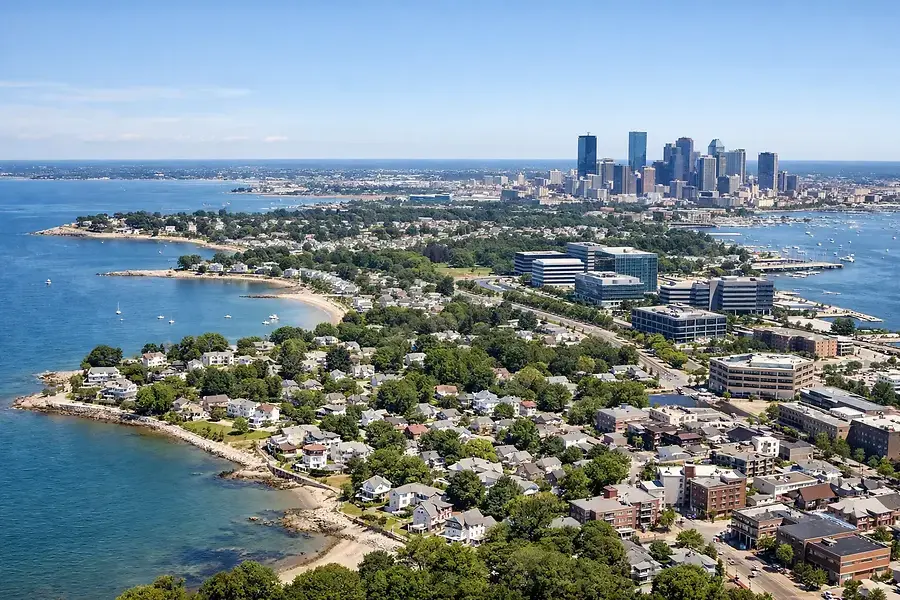
The Competitive Real Estate Market Across Greater Boston and the South Shore
The Greater Boston and South Shore real estate markets continue to demonstrate remarkable resilience and growth potential. With strong demand from both residential buyers and commercial investors, these regions have become hotspots for those seeking strategic property investments. The combination of excellent schools, vibrant communities, and proximity to employment centers makes this area increasingly attractive to families and businesses alike.
Market fundamentals remain solid, with steady appreciation rates and low inventory levels supporting seller confidence. Whether you're a first-time homebuyer, seasoned investor, or business owner, understanding where to allocate capital is essential for maximizing returns and achieving long-term financial goals.
Residential Neighborhoods: Growth, School Districts, and Investment Potential in Key Communities
Premium Communities with Strong School Systems
Several neighborhoods stand out for their exceptional educational institutions and family-friendly environments. Wellesley, Newton, and Brookline continue to command premium prices due to their top-rated school districts and established residential character. These communities offer stability and consistent appreciation, making them ideal for investors seeking lower-risk, long-term holdings.
The South Shore communities of Hingham, Cohasset, and Scituate have emerged as increasingly popular alternatives, offering waterfront charm, excellent schools, and more competitive entry points compared to their western counterparts. These neighborhoods are experiencing accelerated growth as buyers seek value without sacrificing quality of life.
Emerging Growth Corridors
Investors with a medium-term horizon should consider neighborhoods experiencing revitalization and infrastructure improvements. Somerville, Cambridge, and Arlington have transformed into vibrant communities with diverse housing options, thriving restaurant and retail scenes, and strong job markets. These areas attract young professionals and families seeking urban convenience with neighborhood character.
The South Shore's Norwell and Hanover represent emerging opportunities, with improving transit connections and new commercial development driving residential demand. These communities offer better value propositions while maintaining strong fundamentals.
Key Investment Metrics to Consider
- Price appreciation rates: Track neighborhoods with consistent 3-5% annual growth
- School rankings: Top-rated districts command premium valuations and attract quality tenants
- Inventory levels: Low supply typically supports price stability and appreciation
- Demographic trends: Growing populations indicate sustained demand and investment potential
- Rental yields: Strong rental markets provide income stability for investment properties
Commercial and Mixed-Use Opportunities: Business Districts and Development Corridors
Established Business Districts
Downtown Boston, Cambridge, and Brookline remain premier locations for commercial real estate investors. These established districts offer stable tenancy, strong demand from major employers, and consistent rental growth. Office space, retail, and mixed-use properties in these areas continue to attract institutional investors seeking reliable income streams.
Emerging Development Corridors
Route 128 and Route 9 corridors present compelling opportunities for commercial investors. These areas are experiencing significant redevelopment, with aging office parks being converted to mixed-use developments featuring residential, retail, and office components. The South Shore's Weymouth and Braintree corridors are particularly attractive, offering lower land costs and strong accessibility to major highways.
Mixed-Use and Adaptive Reuse Projects
The trend toward mixed-use developments continues to reshape the region's commercial landscape. Historic buildings in neighborhoods like Somerville, Medford, and Quincy are being transformed into vibrant communities combining residential lofts, ground-floor retail, and office space. These projects appeal to diverse tenant bases and command premium rents due to their unique character and walkability.
"The convergence of residential demand, retail innovation, and office flexibility is creating unprecedented opportunities for investors willing to embrace adaptive reuse and mixed-use strategies."
Strategic Considerations for Commercial Investment
- Tenant quality and lease terms: Prioritize properties with creditworthy tenants and long-term leases
- Location accessibility: Proximity to transit, highways, and employment centers drives tenant demand
- Redevelopment potential: Identify underutilized properties with upside from repositioning
- Market fundamentals: Monitor vacancy rates, rental growth, and absorption rates
- Regulatory environment: Understand zoning, permitting, and development incentives in target markets
Positioning Your Portfolio for Success in This Dynamic Market
Success in the Greater Boston and South Shore real estate markets requires a strategic, diversified approach. Residential investors should balance established communities offering stability with emerging neighborhoods providing growth potential. Consider your investment timeline, risk tolerance, and income requirements when selecting properties.
Commercial investors should evaluate both traditional office and retail properties alongside innovative mixed-use developments. The market is rewarding investors who recognize changing workplace and consumer preferences and position their portfolios accordingly.
Regardless of your investment focus, several principles apply universally:
- Conduct thorough due diligence on neighborhoods, demographics, and market trends
- Work with experienced local professionals who understand regional nuances
- Maintain a long-term perspective while remaining flexible to market opportunities
- Diversify across neighborhoods and property types to manage risk
- Monitor regulatory changes and infrastructure developments that impact property values
The Greater Boston and South Shore real estate markets offer compelling opportunities for informed investors. By understanding neighborhood dynamics, recognizing emerging trends, and executing disciplined investment strategies, you can position your portfolio for sustained success in this dynamic and competitive market. Whether seeking residential stability or commercial growth, the region's diverse communities provide pathways to achieving your investment objectives.