Southfield Homeowners: Your Complete Guide to Property Taxes
Learn how to understand assessments, appeal decisions, and protect your investment returns.

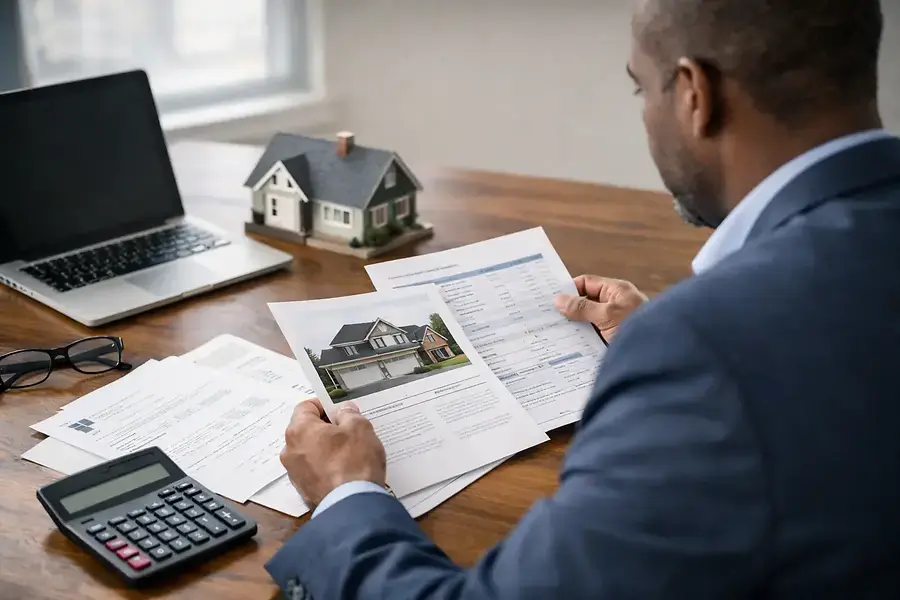
Introduction: Why Property Taxes Matter for Southfield Homeowners
Property taxes represent one of the largest ongoing expenses for homeowners in Southfield, often second only to mortgage payments. Understanding how these taxes are calculated, assessed, and potentially reduced can save you thousands of dollars over your homeownership journey. Whether you're a first-time buyer or a seasoned investor, navigating the complexities of property taxation is crucial to protecting your financial interests and maximizing your return on investment.
Many Southfield homeowners accept their tax assessments without question, unaware that they may have legitimate grounds to challenge them. This guide will equip you with the knowledge and strategies needed to take control of your property tax situation and make informed decisions about your residential investment.
Breaking Down Southfield's Tax Assessment Process and Rates
Understanding How Assessments Work
Property tax assessments in Southfield begin with a comprehensive evaluation of your home's value. The local assessor's office determines this value by examining several key factors:
- Property characteristics: Square footage, age, condition, and structural features
- Market comparables: Recent sales prices of similar properties in your neighborhood
- Location factors: Proximity to schools, commercial areas, and transportation
- Improvements and upgrades: Renovations, additions, and modern amenities
Once the assessed value is determined, it's multiplied by the local tax rate to calculate your annual property tax bill. In Southfield, the tax rate varies by district and can change annually based on municipal budget needs.
Current Southfield Tax Rates and What They Mean
Southfield's property tax rates typically fall within a competitive range compared to surrounding communities. However, rates can fluctuate based on:
- School district funding requirements
- Municipal infrastructure and service costs
- County and regional assessments
- Special assessment districts for improvements
Pro Tip: Request a copy of your property assessment from the assessor's office. Review it carefully for errors in property details, square footage, or condition ratings that could inflate your valuation.
Common Assessment Errors to Watch For
Assessors process thousands of properties annually, and mistakes happen. Common errors include:
- Incorrect square footage measurements
- Misclassified property features or improvements
- Outdated property condition ratings
- Failure to account for property damage or deterioration
- Incorrect lot size or boundary information
Identifying these errors is your first step toward a successful appeal.
Strategies to Appeal or Reduce Your Property Tax Assessment
Preparing Your Appeal Case
A successful appeal requires solid documentation and a clear argument. Start by gathering evidence to support your position:
- Comparable sales data: Recent sales of similar properties in your area that sold for less than the assessed value
- Professional appraisals: An independent appraisal can provide objective valuation evidence
- Property inspection reports: Documentation of any defects, damage, or needed repairs
- Assessment errors: Written proof of factual mistakes in the assessor's records
- Market analysis: Data showing declining property values in your neighborhood
The Appeal Process in Southfield
Southfield offers a structured appeal process designed to be accessible to homeowners:
Step 1: Informal Review
Contact the assessor's office to discuss your concerns. Many assessments are adjusted during this informal stage without requiring a formal appeal.
Step 2: Formal Appeal
If informal resolution fails, file a formal appeal with the Board of Review. This typically must be done within a specific timeframe after receiving your assessment notice.
Step 3: Hearing Presentation
Present your evidence and argument before the Board of Review. Be organized, professional, and focused on facts rather than emotions.
Step 4: Decision and Next Steps
The Board will issue a decision. If unsatisfied, you may have options for further appeal to state tax authorities.
When to Hire a Professional
Consider working with a property tax consultant or attorney if:
- Your property assessment seems significantly overvalued
- You've identified substantial errors in the assessment
- Your property is commercial or has complex characteristics
- Previous appeals have been unsuccessful
- The potential tax savings justify professional fees
Professional advocates understand local assessment practices and can strengthen your case considerably.
Long-Term Tax Reduction Strategies
Beyond appeals, consider these ongoing strategies:
- Homestead exemptions: Verify you're claiming all available exemptions for primary residences
- Senior or disability exemptions: Eligible homeowners may qualify for additional relief
- Property maintenance: Keep your home well-maintained to justify lower assessments
- Monitor reassessments: Review new assessments annually and appeal if warranted
- Stay informed: Attend local meetings about tax rate changes and budget decisions
Conclusion: Making Informed Decisions About Your Residential Investment
Your property tax assessment directly impacts your investment returns and monthly housing costs. By understanding how assessments are calculated, identifying potential errors, and knowing your appeal options, you can take active steps to protect your financial interests.
Key Takeaways:
- Review your assessment annually for accuracy and completeness
- Don't hesitate to appeal if you believe your assessment is unfair
- Gather strong evidence before filing an appeal
- Consider professional assistance for complex situations
- Stay proactive about tax reduction opportunities
Southfield homeowners who take control of their property tax situation often save thousands of dollars. The time invested in understanding your assessment and pursuing legitimate appeals is an investment in your home's profitability and your financial security. Start today by requesting your property assessment and reviewing it carefully—it could be one of the most valuable financial decisions you make as a homeowner.


