Springdale Home Inspection Essentials: What Every Buyer Should Know
Discover the critical inspection items that protect your investment and reveal hidden issues before you buy.

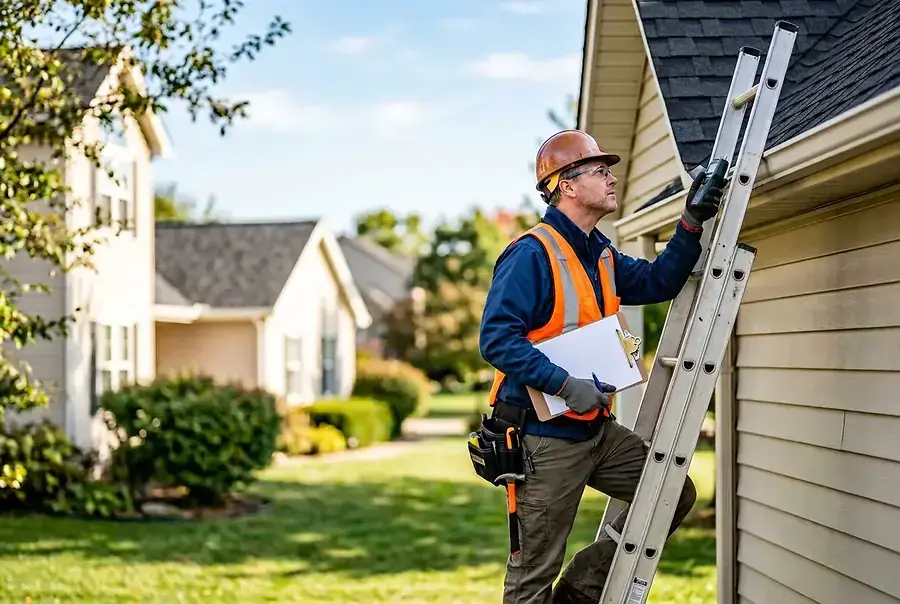
Why Home Inspections Matter in Springdale's Real Estate Market
Purchasing a home is one of the most significant financial decisions you'll make in your lifetime. In Springdale's competitive real estate market, a professional home inspection serves as your safeguard against costly surprises and hidden defects. An inspection provides an objective assessment of a property's condition, giving you the information needed to negotiate repairs, request credits, or walk away from a problematic purchase.
Many buyers underestimate the importance of thorough inspections, viewing them as an optional expense. However, skipping this crucial step can lead to discovering major issues after closing, when you're responsible for all repairs. A comprehensive inspection typically costs between $300-$500 but can save you thousands in unexpected repairs and maintenance.
Key Areas Inspectors Examine: Structural, Systems, and Safety Components
Structural Integrity
Inspectors begin by evaluating the foundation, framing, and overall structural soundness of the home. They look for:
- Foundation cracks or settling issues
- Water damage or moisture intrusion in basements and crawl spaces
- Roof condition, age, and remaining lifespan
- Wall and floor alignment problems
- Signs of pest damage or wood rot
A compromised foundation or structural damage can be extremely expensive to repair, making this assessment critical to your decision-making process.
Mechanical and Electrical Systems
Your inspector will thoroughly evaluate all major systems that keep your home functioning:
- HVAC Systems: Heating, ventilation, and air conditioning units are tested for proper operation and efficiency
- Plumbing: Water pressure, drainage, and potential leaks are assessed throughout the home
- Electrical: Panel condition, outlet safety, and code compliance are examined
- Water Heater: Age, capacity, and operational status are documented
- Appliances: Built-in appliances are tested for functionality
These systems represent significant replacement costs, so understanding their condition and expected lifespan is essential for budgeting future maintenance.
Safety and Environmental Concerns
Modern inspections include screening for hazardous materials and safety issues:
- Asbestos in insulation, flooring, or roofing materials
- Lead-based paint (particularly important in older Springdale homes)
- Mold and moisture problems
- Carbon monoxide and radon levels
- Proper ventilation and fire safety features
These environmental factors can significantly impact your family's health and may require professional remediation.
Red Flags to Watch For: Common Issues Found in Springdale Homes
Water Damage and Moisture Problems
One of the most common issues in Springdale properties is water intrusion. Look for staining on ceilings, walls, or in attics, which indicates past or present leaks. Moisture problems can lead to mold growth, structural damage, and costly repairs. Pay special attention to basements and crawl spaces, where water damage is particularly prevalent.
Roof and Gutter Issues
Springdale's weather patterns can be tough on roofing materials. Inspectors check for missing shingles, improper flashing, and gutter problems that prevent proper water drainage. A roof replacement can easily cost $10,000 or more, so understanding its remaining lifespan is crucial.
HVAC System Age and Condition
Heating and cooling systems typically last 15-20 years. If a home's HVAC system is approaching the end of its lifespan, budget for replacement in your purchase decision. An aging system may also indicate deferred maintenance throughout the property.
Electrical System Deficiencies
Older homes in Springdale may have outdated electrical panels or insufficient capacity for modern appliances. Aluminum wiring, which poses fire hazards, is sometimes found in homes built during specific decades. These issues require professional remediation before they become safety concerns.
Plumbing Problems
Corroded pipes, inadequate water pressure, or drainage issues are common in older properties. Galvanized pipes, common in vintage Springdale homes, often deteriorate and require replacement. Sewer line issues can be particularly expensive to address.
Pest and Wood Damage
Termites, carpenter ants, and other pests can cause significant structural damage. Inspectors look for evidence of infestation and wood rot, which may require professional pest control treatment and structural repairs.
Using Inspection Results to Make Confident Purchase Decisions
Once you receive your inspection report, take time to review it thoroughly.
Don't panic about every minor issue—inspectors document everything, including cosmetic concerns and minor wear. Focus on major systems, safety issues, and costly repairs.
Use the inspection report as a negotiation tool. You have several options:
- Request repairs: Ask the seller to fix significant issues before closing
- Request credits: Negotiate a price reduction to cover repair costs yourself
- Walk away: If major issues exceed your comfort level or budget, you can terminate the purchase
- Accept as-is: If issues are minor or you're comfortable with the property's condition, proceed with confidence
Remember that inspection contingencies protect you during the buying process. Use this protection wisely to ensure you're making an informed decision about your Springdale home purchase.
A professional home inspection is an investment in your peace of mind and financial security. By understanding what inspectors examine and recognizing common red flags, you'll be equipped to make confident decisions and protect your investment for years to come.


