St. Louis Home Selling: Timing Your Sale for Market Advantage
Discover how St. Louis market cycles and seasonal trends can help you maximize your home's sale price and speed.

Understanding St. Louis Real Estate Market Cycles
The St. Louis real estate market, like most markets across the country, operates in cycles that directly impact your ability to sell your home quickly and at the best price. These cycles are driven by a combination of economic factors, interest rates, local employment trends, and buyer sentiment. Understanding these patterns is crucial for homeowners looking to make informed decisions about when to list their property.
Market Indicators to Monitor
Successful home sellers pay close attention to key market indicators that signal whether conditions favor buyers or sellers. Days on market, inventory levels, and price-to-list ratios are essential metrics that reveal the true health of the St. Louis market. When inventory is low and days on market decrease, you're in a seller's market—the ideal time to list your home.
Additionally, keep an eye on mortgage rates and local employment data. Rising interest rates can cool buyer demand, while strong job growth in the St. Louis area typically energizes the market. These factors work together to create windows of opportunity for strategic sellers.
Seasonal Trends and Their Impact on Home Sales
St. Louis experiences distinct seasonal patterns that significantly influence home buying behavior. Recognizing these trends allows you to position your home sale for maximum visibility and competitive offers.
Spring: The Peak Selling Season
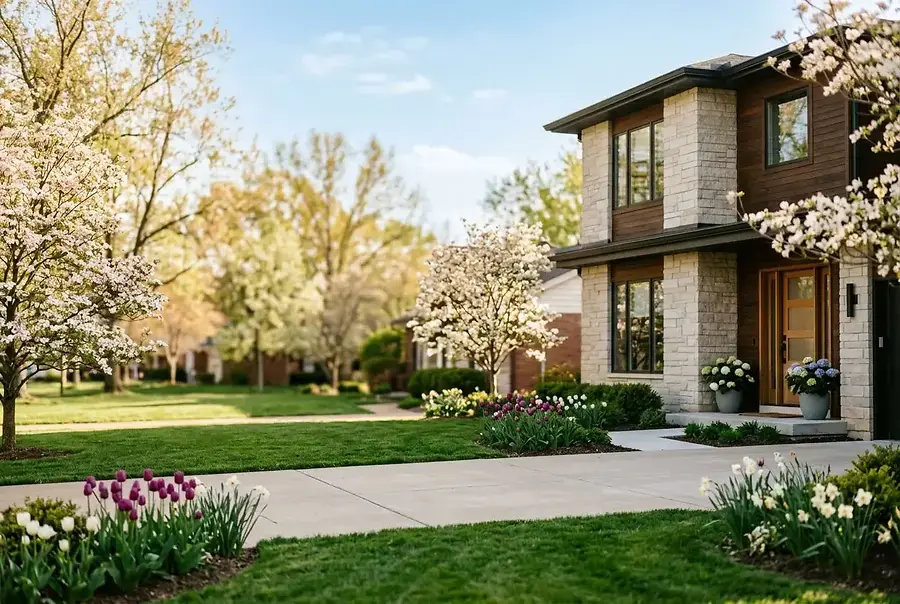
Spring is traditionally the strongest season for home sales in St. Louis. Families prefer to move during school breaks, and the pleasant weather makes homes more appealing. Buyers are actively searching, and competition among sellers increases. If you list in spring, expect higher buyer activity but also more competition from other sellers. Your home must stand out through excellent presentation and competitive pricing.
Summer: Sustained Momentum
Summer maintains strong buyer interest, though it begins to taper slightly as the season progresses. This period remains favorable for sellers, particularly those with family-friendly features like updated kitchens, outdoor spaces, and proximity to schools. The warm weather showcases your home's landscaping and outdoor amenities beautifully.
Fall: Transitional Market
Fall brings a shift in market dynamics. While some serious buyers remain active, overall inventory increases as more homes hit the market. This season favors well-priced homes in excellent condition. Buyers shopping in fall are often more motivated, making them potentially easier to negotiate with if your home meets their needs.
Winter: Buyer's Advantage
Winter typically sees reduced buyer activity and increased inventory. However, this doesn't mean you can't sell successfully during these months. Winter buyers are often highly motivated—they may be relocating for jobs, facing life changes, or seeking to close before year-end. With less competition, your home may receive more focused attention from serious buyers.
Pricing Strategy Based on Current Market Conditions
Timing your sale effectively requires more than just choosing the right season—it demands a pricing strategy aligned with current market conditions.
Aggressive Pricing in Seller's Markets
When inventory is low and buyer demand is high, you have flexibility with pricing. Consider listing at or slightly above market value, as competitive bidding may drive the final price higher. Multiple offers become possible, allowing you to negotiate favorable terms beyond just price.
Competitive Pricing in Balanced Markets
In balanced markets where supply and demand are relatively equal, pricing becomes critical. Research comparable sales thoroughly and price your home competitively from day one. Homes priced right attract more showings and offers within the first two weeks of listing. This initial momentum often leads to better final sale prices.
Strategic Pricing in Buyer's Markets
When inventory exceeds demand, pricing strategy shifts. Consider pricing slightly below market value to generate immediate interest and multiple offers. This approach can actually result in a higher final sale price than waiting with an overpriced listing. Additionally, offer incentives such as:
- Covering closing costs
- Including appliances or furniture
- Offering a home warranty
- Providing flexible closing dates
Preparing Your Home for the Optimal Selling Window
Timing your sale is only half the equation. Your home must be ready to impress when that optimal window arrives.
Pre-Sale Preparation Timeline
Begin preparing your home 6-8 weeks before your target listing date. This timeline allows you to complete necessary repairs, upgrades, and cosmetic improvements without rushing. Focus on:
- Curb Appeal: Fresh paint, landscaping, and clean entryways create powerful first impressions
- Major Systems: Ensure HVAC, plumbing, and electrical systems are in excellent working order
- Interior Updates: Fresh paint, updated fixtures, and deep cleaning transform spaces
- Staging: Arrange furniture to highlight space and flow
Market-Specific Preparations
Different seasons require different preparation strategies. For spring sales, emphasize outdoor spaces and landscaping. For winter sales, highlight cozy features like fireplaces and updated heating systems. Align your home's presentation with seasonal buyer expectations.
Documentation and Disclosures
Have all necessary documentation ready before listing. This includes inspection reports, repair receipts, warranty information, and property disclosures. Transparency builds buyer confidence and accelerates the sales process. Homes with complete documentation often sell faster and with fewer complications.
Taking Action: Your Path Forward
Timing your St. Louis home sale for maximum advantage requires understanding market cycles, recognizing seasonal patterns, implementing smart pricing strategies, and ensuring your home is market-ready.
The best time to sell is when market conditions align with your home's strengths and your personal circumstances.
Consult with a local real estate professional who understands St. Louis market dynamics. They can provide current data, help you identify the optimal listing window, and guide you through the entire process. By combining market knowledge with proper preparation, you'll position yourself to achieve the best possible outcome when you sell your St. Louis home.


