St. Louis Home Selling: Understanding Inspection Reports and Repairs
Navigate common inspection findings and negotiate repairs strategically to close your St. Louis home sale faster.

Why Home Inspections Matter in St. Louis Sales
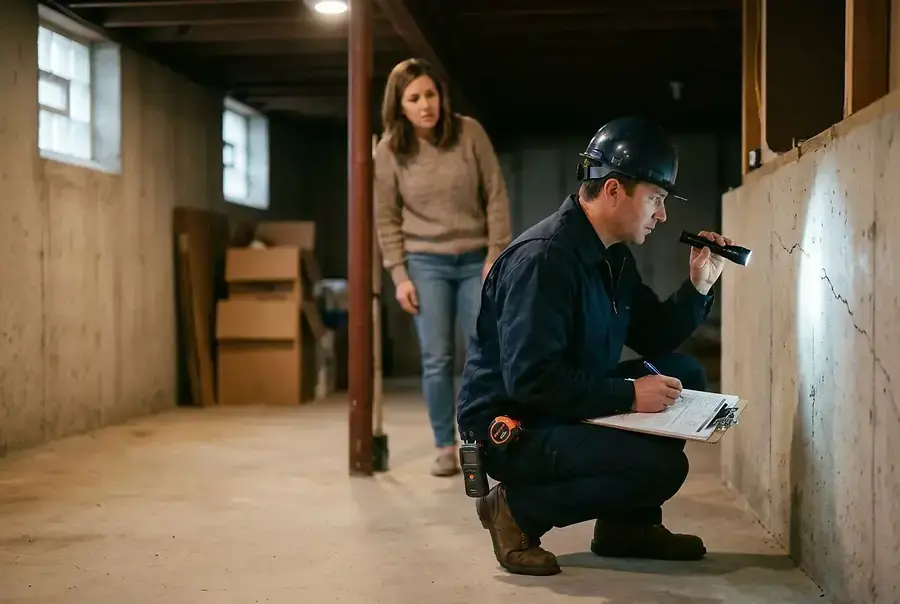
Home inspections are a critical component of the real estate transaction process in St. Louis. When you list your property, most buyers will hire a professional inspector to evaluate the condition of your home before committing to the purchase. Understanding what inspectors look for and how to respond to their findings can make the difference between a smooth sale and a deal that falls apart.
In the St. Louis market, inspection reports often become the foundation for repair negotiations. A thorough inspection protects both buyers and sellers by identifying issues early, allowing both parties to make informed decisions. Rather than viewing the inspection as an adversarial process, savvy sellers recognize it as an opportunity to demonstrate transparency and build buyer confidence.
The inspection process typically takes 2-3 hours and covers all major systems in your home, including the roof, foundation, electrical systems, plumbing, HVAC, and more. Being prepared for this process and understanding common findings in St. Louis properties can help you negotiate from a position of strength.
Common Inspection Issues Found in St. Louis Properties and Their Costs
Roof and Gutter Problems
St. Louis weather can be harsh on roofing materials. Missing shingles, deteriorated flashing, and clogged gutters are among the most frequently cited issues. Roof repairs typically range from $500 for minor fixes to $15,000+ for a full replacement, depending on the extent of damage and materials used.
Foundation and Basement Issues
Many St. Louis homes sit on clay soil, which can shift and cause foundation cracks. Common findings include:
- Minor hairline cracks ($500-$2,000 to repair)
- Bowing walls ($3,000-$10,000 for stabilization)
- Water intrusion and moisture problems ($1,000-$5,000)
- Efflorescence and staining ($500-$2,000)
HVAC System Deficiencies
Aging heating and cooling systems are common in older St. Louis properties. Repairs or replacements can cost between $2,000 and $8,000, depending on whether you're fixing a component or replacing the entire system.
Electrical and Plumbing Concerns
Outdated wiring, insufficient outlets, and aging plumbing fixtures frequently appear in inspection reports. Electrical upgrades can range from $1,000 to $5,000, while plumbing repairs typically cost $500 to $3,000 for minor issues.
Lead Paint and Asbestos
Homes built before 1978 may contain lead paint, and older properties might have asbestos insulation. While these don't always require immediate remediation, they must be disclosed and can impact buyer financing and insurance options.
Negotiating Repairs: Seller vs. Buyer Responsibilities and Market Timing
Understanding Your Obligations
In Missouri, sellers are required to disclose known defects, but they're not automatically obligated to make repairs. However, strategic repair decisions can significantly impact your sale timeline and final price. The key is understanding what repairs are deal-breakers versus what can be negotiated.
Strategic Repair Negotiation Tactics
Address major systems proactively: If you know your roof or HVAC system is aging, consider getting pre-inspection repairs done before listing. This removes a major negotiation point and demonstrates your commitment to transparency.
Offer repair credits instead of repairs: Rather than hiring contractors yourself, offer the buyer a credit toward closing costs. This gives them flexibility to choose their own contractors and often costs you less than making the repairs directly.
Prioritize safety and structural issues: Buyers and their lenders will prioritize safety concerns and structural problems. Addressing these first shows good faith and prevents deal collapse.
Document everything: Keep records of all maintenance, repairs, and inspections. This documentation builds buyer confidence and can justify why certain issues don't require immediate attention.
Market Timing Considerations
The St. Louis real estate market fluctuates seasonally. In a seller's market with high demand, you may have more leverage to push back on repair requests. In a buyer's market, being more accommodating with repairs can help your property stand out and attract serious offers.
Pro Tip: Consider the buyer's perspective. If repair costs are reasonable and the buyer is motivated, offering to handle them can expedite closing and reduce the risk of the deal falling through.
When to Walk Away
Not every negotiation leads to a successful sale. If a buyer demands extensive repairs that would cost more than your profit margin, or if their requests seem unreasonable, you have the right to decline and wait for a better offer.
Preparing Your Home for a Successful Sale
Pre-Listing Inspection Strategy
Consider hiring your own inspector before listing. This allows you to address issues on your terms and prevents surprises during buyer inspections. You'll know exactly what to disclose and can prepare responses to anticipated questions.
Maintenance and Curb Appeal
Simple maintenance tasks can prevent inspection issues:
- Clean gutters and downspouts
- Seal visible cracks in the foundation or exterior
- Service your HVAC system
- Test all electrical outlets and switches
- Check for water leaks under sinks and around toilets
Working with Your Real Estate Agent
An experienced St. Louis real estate agent understands local inspection trends and can advise you on which repairs are worth making and which can be negotiated. They'll also help you price your home competitively, accounting for any known issues.
Conclusion: Preparing Your Home for a Successful Sale
Home inspections don't have to derail your St. Louis home sale. By understanding common issues, preparing strategically, and negotiating thoughtfully, you can navigate the inspection process with confidence. The goal is to build trust with buyers while protecting your financial interests.
Whether you choose to make repairs, offer credits, or negotiate terms, the key is being informed and proactive. Work closely with your real estate agent, consider getting a pre-listing inspection, and remember that transparency and good faith negotiation often lead to faster, more successful sales.
With the right approach, your inspection report becomes a tool for closing your sale faster, not a barrier to success.


