St. Louis Mixed-Use Properties: Blending Commercial and Residential Success
Discover how Saint Louis investors are maximizing returns with hybrid properties that combine retail, office, and living spaces.

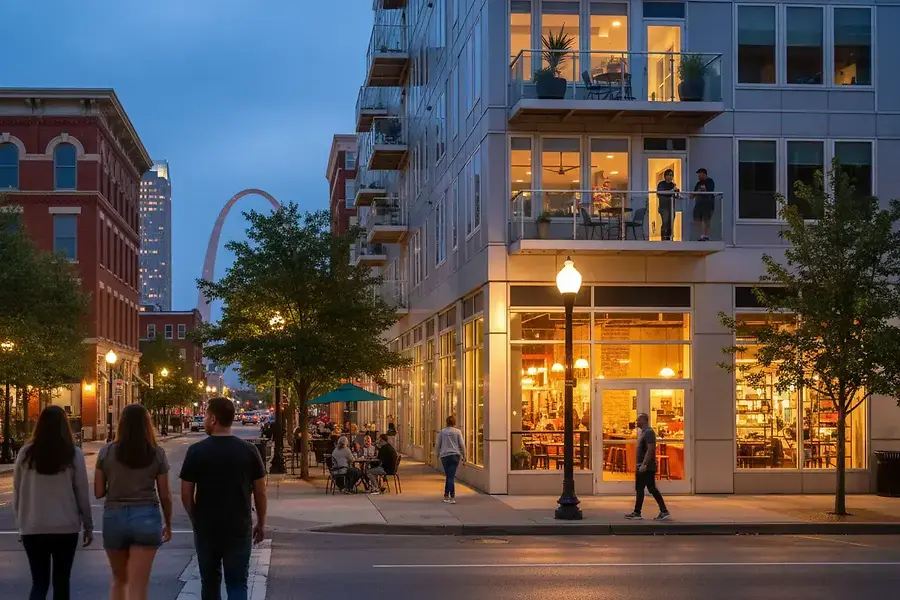
The Rise of Mixed-Use Development in Saint Louis
Saint Louis is experiencing a transformative shift in its real estate landscape. The city's investors and developers are increasingly turning to mixed-use properties as a strategic approach to urban development. These hybrid properties seamlessly blend commercial spaces, office areas, and residential units under one roof, creating dynamic communities that cater to modern living preferences.
The trend reflects a broader national movement toward walkable, vibrant neighborhoods where residents can live, work, and shop without leaving their immediate surroundings. Saint Louis, with its rich architectural heritage and strategic location, has become an ideal market for this type of development. From the revitalized downtown core to emerging neighborhoods, mixed-use properties are reshaping how people experience urban living.
What makes Saint Louis particularly attractive for mixed-use development? The city offers affordable real estate compared to coastal markets, a growing young professional demographic, and strong community support for urban revitalization projects. These factors create a perfect storm of opportunity for savvy investors.
Understanding Mixed-Use Property Benefits and Market Demand
Revenue Diversification
One of the most compelling advantages of mixed-use properties is revenue diversification. Rather than relying on a single income stream, property owners generate revenue from multiple sources:
- Residential rental income from apartments or condominiums
- Commercial leasing from retail tenants
- Office space rentals for professional services
- Ground-floor retail opportunities
This diversification provides stability during economic fluctuations and maximizes overall property returns.
Increased Property Value
Mixed-use properties typically command premium valuations compared to single-use buildings. The combination of multiple revenue streams and the appeal of integrated communities makes these properties highly desirable to investors and lenders. Properties that offer convenience and lifestyle integration naturally attract higher market values.
Meeting Modern Consumer Expectations
Today's residents and businesses increasingly demand convenience and community. Mixed-use properties deliver exactly that. Residents appreciate being able to grab coffee, visit a gym, or dine at restaurants without traveling far. Businesses benefit from foot traffic and proximity to potential customers. This alignment with modern preferences creates strong tenant demand and lower vacancy rates.
Urban Revitalization Impact
Mixed-use developments serve as catalysts for neighborhood transformation. They attract investment, improve public spaces, and create vibrant street-level activity. Saint Louis neighborhoods that have embraced mixed-use development have seen increased property values, improved safety metrics, and stronger community engagement.
Key Neighborhoods for Residential/Commercial Investments in Saint Louis
Downtown Saint Louis
The downtown core remains the premier destination for mixed-use development. Historic buildings are being converted into loft apartments with ground-floor retail and restaurants. The area's walkability, cultural attractions, and proximity to employment centers make it ideal for investors seeking established markets with strong fundamentals.
The Delmar Loop
This eclectic neighborhood has long been a hub for creative professionals and young families. Mixed-use properties here blend residential units above independent shops, cafes, and entertainment venues. The neighborhood's bohemian character and strong community identity make it attractive for investors seeking properties with cultural significance and steady tenant demand.
Washington Avenue
Once a historic warehouse district, Washington Avenue has undergone remarkable transformation. Converted loft buildings now house residential units, art galleries, restaurants, and creative offices. The neighborhood exemplifies how mixed-use development can honor architectural heritage while creating contemporary living and working spaces.
The Grove
This vibrant neighborhood has emerged as a destination for dining, entertainment, and urban living. Mixed-use properties here combine stylish apartments with ground-floor restaurants, bars, and retail shops. The area's energy and demographic appeal make it attractive for investors targeting younger, affluent residents.
Clayton and Brentwood
Beyond the urban core, suburban mixed-use developments are gaining traction. These properties combine office space, retail, and residential units in walkable town center formats. They appeal to professionals seeking suburban convenience with urban amenities.
Conclusion: Positioning Yourself as a Mixed-Use Property Expert
The mixed-use property market in Saint Louis presents compelling opportunities for investors willing to understand the nuances of managing multiple property types simultaneously. Success requires knowledge of residential leasing, commercial tenant relations, and urban market dynamics.
Key takeaways for aspiring mixed-use property investors:
- Research neighborhoods with strong walkability scores and demographic trends
- Understand zoning regulations and local development incentives
- Evaluate the balance between residential and commercial space for your target market
- Consider property management complexity and staffing needs
- Analyze comparable properties to determine realistic return projections
Saint Louis's mixed-use property market is not just a trend—it represents the future of urban real estate. By combining residential comfort with commercial convenience, these properties create communities where people want to live, work, and spend their time. For investors ready to embrace this evolution, the opportunities are substantial and the rewards are significant.
The question isn't whether mixed-use properties will continue to dominate Saint Louis's real estate landscape—it's whether you'll position yourself to capitalize on this transformation.


