Staging Your Home to Sell: Essential Tips That Attract Serious Buyers
Learn how professional staging techniques can significantly reduce days on market and increase your final sale price.

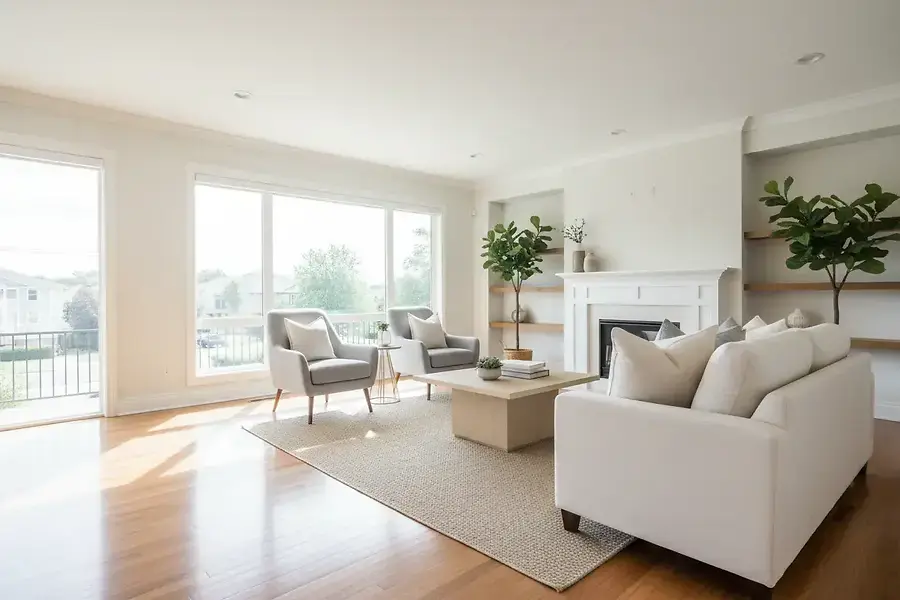
Why Home Staging Matters in Today's Competitive Market
In today's fast-paced real estate market, first impressions are everything. When potential buyers walk through your home, they're not just evaluating the property—they're imagining themselves living there. Professional home staging is the art of presenting your property in its absolute best light, and it can make a dramatic difference in how quickly your home sells and at what price.
Statistics show that staged homes spend significantly less time on the market compared to unstaged properties. Beyond speed, staging can increase your final sale price by highlighting your home's strongest features and minimizing any perceived weaknesses. Whether you're selling in a buyer's market or a seller's market, staging gives you a competitive edge that can translate into thousands of dollars in additional profit.
The goal of staging isn't to deceive buyers—it's to help them see the true potential of your space. By creating an environment that appeals to the broadest range of buyers, you're maximizing your chances of receiving multiple offers and negotiating from a position of strength.
Decluttering and Depersonalization: Creating a Blank Canvas for Buyers
The Power of a Clean, Organized Space
The first step in staging your home is decluttering. This means removing excess items, personal collections, and anything that doesn't serve a purpose in showcasing your home. Buyers need to be able to envision themselves in your space, and clutter creates visual noise that distracts from your home's best features.
Start by going through each room and asking yourself: "Does this item add value to the space, or does it distract from it?" Remove items such as:
- Excessive family photos and personal memorabilia
- Collections that take up valuable shelf space
- Outdated furniture that makes rooms feel cramped
- Appliances and items cluttering kitchen countertops
- Toys, books, and magazines scattered throughout
Depersonalization: Making Your Home a Blank Canvas
While decluttering removes excess items, depersonalization removes the personal touches that make your home uniquely yours. This might sound counterintuitive, but it's essential for helping buyers connect with the space.
Consider removing or minimizing:
- Family portraits and personal photographs
- Artwork that reflects very specific tastes or styles
- Religious or political items that might not resonate with all buyers
- Hobby-related decorations that define the space
- Personalized items on desks or shelves
The goal is to create a neutral backdrop that allows buyers to imagine their own lives in the space. Think of your home as a canvas—you want buyers to see the potential, not your personal story.
Deep Cleaning: The Foundation of Staging
Before you even think about furniture placement or décor, your home must be spotlessly clean. Deep clean every surface, from baseboards to ceiling fans. Pay special attention to:
- Windows and window sills
- Kitchen appliances and cabinets
- Bathroom fixtures and grout
- Carpets and hardwood floors
- Light fixtures and switches
A clean home signals to buyers that the property has been well-maintained, which builds confidence in the overall condition of the house.
Strategic Furniture Placement and Lighting: Showcasing Your Home's Best Features
Furniture Arrangement for Maximum Impact
Once your home is decluttered and clean, it's time to strategically arrange your furniture to maximize space and highlight key features. The goal is to create a flow that guides buyers through your home naturally while showcasing each room's purpose and potential.
Key principles for furniture placement include:
- Create conversation areas: Arrange seating to encourage interaction and make spaces feel inviting
- Define room purposes: Use furniture to clearly establish what each room is intended for
- Maintain clear pathways: Ensure buyers can move freely through each space without obstacles
- Scale appropriately: Use furniture that's proportional to the room size—oversized pieces make rooms feel smaller
- Highlight architectural features: Position furniture to draw attention to fireplaces, built-ins, or other standout elements
The Transformative Power of Lighting
Lighting is one of the most underutilized staging tools, yet it can completely transform how buyers perceive your home. Natural light is ideal, so open all curtains and blinds during showings to flood rooms with daylight. This makes spaces feel larger, brighter, and more welcoming.
For artificial lighting, consider these strategies:
- Replace dim bulbs with brighter, warm-toned LED bulbs
- Add table lamps to create ambient lighting in living areas
- Ensure all light fixtures are clean and in working order
- Use accent lighting to highlight artwork or architectural features
- Avoid harsh overhead lighting—layer different light sources instead
Well-lit homes feel more spacious, inviting, and well-maintained. Investing in proper lighting is one of the most cost-effective staging improvements you can make.
Neutral Color Palettes and Décor
While your home is being staged, neutral colors should dominate. Paint accent walls in soft, neutral tones, and choose décor that complements rather than competes with your home's architecture. Neutral doesn't mean boring—it means creating a sophisticated backdrop that appeals to the widest audience.
Focus on adding subtle touches that enhance appeal:
- Fresh flowers or plants to add life and color
- Quality throw pillows in neutral tones
- Tasteful artwork that complements your décor style
- Mirrors to reflect light and create a sense of space
- Minimal accessories on shelves and surfaces
Transform Your Property Into a Buyer's Dream Home
Home staging is an investment in your property's marketability, and the returns can be substantial. By decluttering your space, depersonalizing it, and strategically arranging furniture and lighting, you create an environment where buyers can easily imagine themselves living.
Remember, staging isn't about hiding your home's flaws—it's about highlighting its strengths and creating an emotional connection with potential buyers. When buyers walk through a well-staged home, they're not just seeing walls and furniture; they're envisioning their future.
Whether you're working with a professional stager or tackling the project yourself, these essential techniques will help you present your home in the best possible light. The effort you invest in staging today can translate into a faster sale, higher offers, and greater peace of mind throughout the selling process.


