Stanwood Home Inspection: Critical Checkpoints Before You Buy
Discover the essential inspection items every Stanwood homebuyer should prioritize to avoid costly surprises.

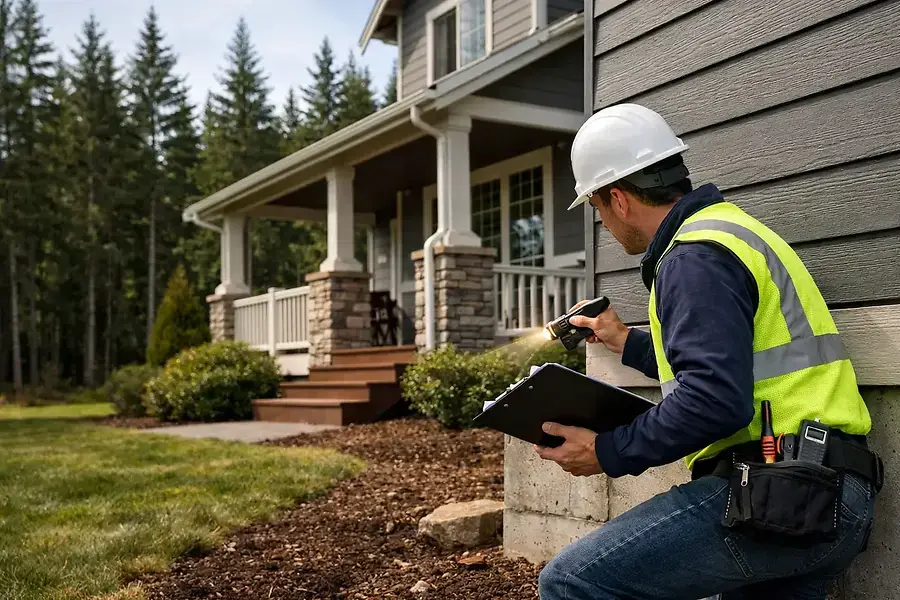
Why Home Inspections Matter in Stanwood's Diverse Housing Market
Purchasing a home is one of the most significant financial decisions you'll make, and in Stanwood's competitive real estate market, a thorough home inspection is your best defense against costly surprises. Whether you're buying a charming historic property or a modern suburban home, understanding what to look for during an inspection can save you thousands of dollars in unexpected repairs.
Stanwood's housing market features a diverse range of properties, from waterfront homes to established neighborhoods with older construction. Each property type presents unique challenges and considerations. A professional home inspection provides an objective assessment of the property's condition, identifying potential issues before you commit to the purchase.
The inspection process isn't just about finding problems—it's about making an informed decision. Armed with detailed inspection results, you can negotiate repairs, request credits, or make a confident decision to move forward with your purchase.
Key Structural and Systems to Evaluate in Stanwood Homes
Foundation and Structural Integrity
The foundation is the backbone of any home. Inspectors should examine the foundation for cracks, settling, water damage, and signs of structural movement. In Stanwood, where soil conditions can vary significantly, foundation issues are particularly important to assess. Look for:
- Visible cracks in the foundation or basement walls
- Signs of water intrusion or moisture damage
- Uneven floors or doors that don't close properly
- Evidence of previous repairs or reinforcement
Roofing and Exterior Systems
Your roof protects everything beneath it, making its condition critical. Inspectors evaluate the roof's age, material condition, and remaining lifespan. They'll also check gutters, downspouts, siding, and windows for proper function and weather resistance.
- Roof age and condition of shingles or materials
- Proper drainage and gutter functionality
- Exterior siding condition and water damage
- Window and door seals and operation
Plumbing and Water Systems
Water-related issues can be expensive and destructive. A thorough inspection includes checking water pressure, drainage, pipe materials, and the water heater. Older Stanwood homes may have outdated plumbing systems that require attention.
- Water pressure and flow rates
- Pipe materials and signs of corrosion
- Water heater age and condition
- Septic system functionality (if applicable)
- Evidence of leaks or water damage
Electrical Systems
Electrical safety is paramount. Inspectors examine the electrical panel, wiring, outlets, and switches to ensure they meet current safety standards. Homes with outdated electrical systems may need upgrades to handle modern power demands.
- Electrical panel capacity and condition
- Presence of proper grounding and bonding
- GFCI outlets in wet areas
- Outdated wiring that may pose fire hazards
HVAC and Insulation
Heating, ventilation, and air conditioning systems are essential for comfort and energy efficiency. Inspectors assess the age, condition, and functionality of these systems, along with insulation levels in the attic and walls.
- Furnace or heat pump age and efficiency
- Air conditioning system functionality
- Ductwork condition and sealing
- Insulation levels and ventilation
Climate and Environmental Factors Specific to Puget Sound Properties
Moisture and Mold Concerns
The Pacific Northwest's wet climate makes moisture management critical. Stanwood homes are particularly susceptible to moisture intrusion, which can lead to mold growth and wood rot. Inspectors should pay special attention to basements, crawl spaces, and areas prone to dampness.
Mold testing and moisture detection are essential components of any Stanwood home inspection. The region's high humidity and rainfall create ideal conditions for mold development, which can affect indoor air quality and structural integrity.
Radon and Indoor Air Quality
Radon, a naturally occurring radioactive gas, can accumulate in homes and pose health risks. Testing for radon levels is recommended for Stanwood properties, particularly those with basements or crawl spaces. Poor ventilation can also trap moisture and contaminants indoors.
Flooding and Drainage Issues
Stanwood's proximity to water bodies and seasonal rainfall patterns mean drainage is critical. Inspectors evaluate grading around the foundation, downspout placement, and the property's flood risk. Properties near streams or in flood-prone areas require additional scrutiny.
- Proper grading to direct water away from the foundation
- Adequate drainage systems and sump pumps
- Flood zone designation and insurance requirements
- History of water damage or flooding
Seismic Considerations
Washington State sits in an active seismic zone. While not every inspection includes seismic assessment, understanding a home's vulnerability to earthquakes is important. Older homes may lack proper bracing or anchoring to withstand seismic activity.
Taking Action: Next Steps After Your Inspection Results
Review and Understand Your Report
After the inspection, carefully review the detailed report with your inspector. Ask questions about any items marked as concerns or needing further evaluation. Understanding the severity and cost implications of identified issues is crucial for decision-making.
Prioritize Issues by Severity
Not all inspection findings require immediate action. Categorize issues into three groups:
- Critical: Safety hazards or major structural problems requiring immediate attention
- Important: Systems nearing end of life or showing significant wear
- Minor: Cosmetic issues or maintenance items
Get Professional Estimates
For significant issues, obtain estimates from licensed contractors. This information strengthens your negotiating position and helps you understand the true cost of repairs. Don't rely solely on the inspector's cost estimates—get independent quotes.
Negotiate or Walk Away
Armed with inspection data and repair estimates, you can negotiate with the seller to address issues, provide credits, or reduce the purchase price. If major problems exist and the seller won't negotiate, walking away may be the wisest choice.
Plan for Future Maintenance
Even if no major issues are found, use the inspection report as a maintenance roadmap. Understanding your home's systems and their expected lifespan helps you budget for future repairs and replacements.
A thorough home inspection is an investment in your peace of mind and financial security. In Stanwood's dynamic housing market, this critical step ensures you're making an informed decision about one of life's biggest purchases.


