Strategic Home Improvements to Maximize Your Sale Price and Attract Serious Buyers
Discover which renovations deliver the highest return on investment and accelerate your home sale.

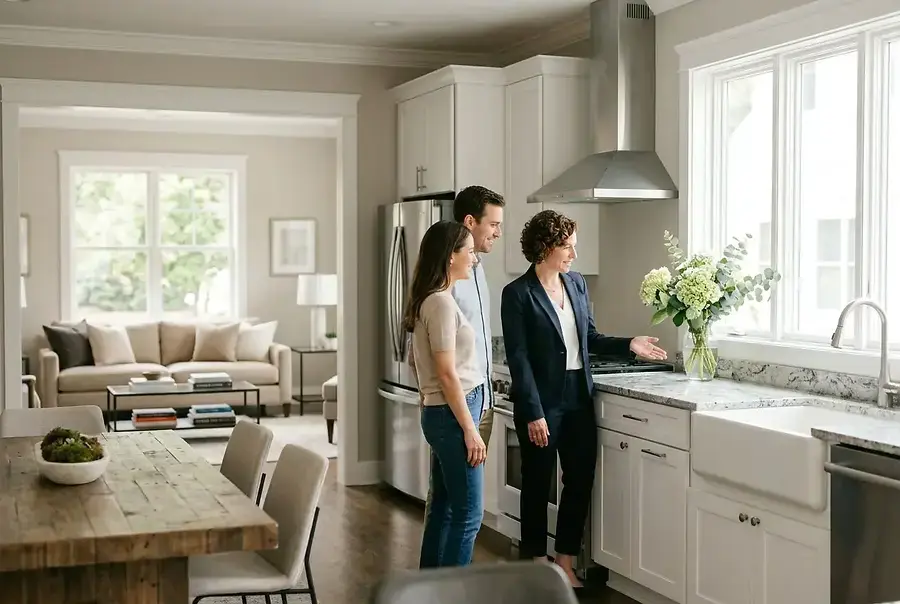
Introduction: Why Pre-Sale Preparation Matters
Selling your home is one of the most significant financial decisions you'll make. The difference between a quick sale at top dollar and a prolonged listing at a lower price often comes down to one critical factor: how well you've prepared your home for the market. Strategic improvements aren't just about aesthetics—they're about demonstrating value to potential buyers and creating an emotional connection that translates into competitive offers.
The key to success lies in understanding which improvements deliver the highest return on investment (ROI) and which ones might drain your budget without proportional returns. This guide will help you navigate the renovation landscape with confidence, ensuring every dollar you invest works harder for you.
High-ROI Improvements That Attract Buyers
Kitchen and Bathroom Updates
These two spaces consistently rank as the most important to home buyers. A modern kitchen and updated bathrooms can increase your home's appeal dramatically. Focus on:
- Fresh cabinetry and hardware—even simple refinishing can transform the look
- Updated countertops in neutral, durable materials
- Modern fixtures and lighting that feel contemporary
- Tile work that's clean, bright, and well-maintained
You don't need a complete gut renovation. Strategic updates that modernize these spaces without excessive spending typically return 50-80% of your investment.
Curb Appeal and Exterior Work
First impressions matter enormously. Buyers form opinions before they even step inside. Prioritize:
- Fresh exterior paint in neutral, appealing colors
- Landscaping that's neat, trimmed, and inviting
- New front door or refreshed entryway
- Clean driveway and walkways
- Updated lighting fixtures for safety and ambiance
These improvements often deliver 75-100% ROI because they're relatively affordable yet create a powerful visual impact.
Energy Efficiency Upgrades
Modern buyers increasingly care about utility costs and environmental impact. Energy-efficient improvements appeal to this growing demographic:
- LED lighting throughout the home
- Updated HVAC systems with smart thermostats
- Improved insulation and weatherstripping
- Energy Star-rated appliances
These upgrades typically return 50-75% of investment while reducing your home's operating costs during the selling period.
Flooring Refresh
Worn, stained, or outdated flooring is a major turn-off. Replacing or refinishing flooring in high-traffic areas can dramatically improve your home's perceived value. Hardwood refinishing and neutral tile or laminate installations typically offer solid returns.
Quick Fixes vs. Major Renovations: What to Prioritize
The Power of Quick Wins
Before investing in major renovations, tackle these high-impact, low-cost improvements:
- Deep cleaning—Professional cleaning can make your home shine and cost just a few hundred dollars
- Fresh paint—Neutral interior colors appeal to the broadest audience
- Minor repairs—Fix leaky faucets, squeaky doors, and broken fixtures
- Decluttering and staging—Help buyers envision themselves in your space
- Landscaping touch-ups—Trim bushes, plant flowers, mulch beds
These quick fixes often cost under $5,000 combined but can increase your sale price by $10,000-$30,000 or more.
When Major Renovations Make Sense
Major renovations should only be considered if:
- Your home is significantly outdated compared to comparable properties
- You have time before listing (major projects can delay your sale)
- The improvement addresses a critical issue (failing roof, outdated electrical)
- You've researched local market trends and buyer preferences
Remember: Buyers are often willing to overlook minor imperfections if the home is priced appropriately and has strong bones. Don't over-improve for your market.
Avoid These Money-Draining Projects
Some renovations look impressive but rarely return their investment:
- Luxury upgrades that exceed neighborhood standards
- Highly personalized designs that don't appeal broadly
- Swimming pools or hot tubs (expensive to maintain, limited appeal)
- Elaborate outdoor entertainment spaces
- Niche hobby rooms or specialized spaces
Focus instead on universal improvements that appeal to the widest range of buyers.
Conclusion: Positioning Your Home for Success
Selling your home successfully isn't about creating a showpiece—it's about strategically positioning your property to attract serious buyers and command top dollar. The most effective approach combines quick, affordable improvements with selective major upgrades that address genuine market demands.
Start by assessing your home objectively. Walk through each room as a potential buyer would. What catches your eye negatively? What feels outdated? What creates an emotional response? Address those issues first with quick fixes and strategic improvements.
Research your local real estate market to understand what buyers in your area value most. A real estate agent can provide invaluable insights into which improvements will resonate with your target buyer demographic.
Finally, remember that timing matters. The longer your home sits on the market, the less attractive it becomes to buyers. Strategic, well-planned improvements that accelerate your sale often deliver better overall returns than expensive renovations that delay your listing.
By focusing on high-ROI improvements, prioritizing quick wins, and avoiding money-draining projects, you'll position your home for a successful, profitable sale. Your preparation today will pay dividends when serious buyers walk through your door.