Strategic Home Renovations That Build Equity and Attract Buyers
Discover which improvements deliver the highest return on investment and which ones to avoid.

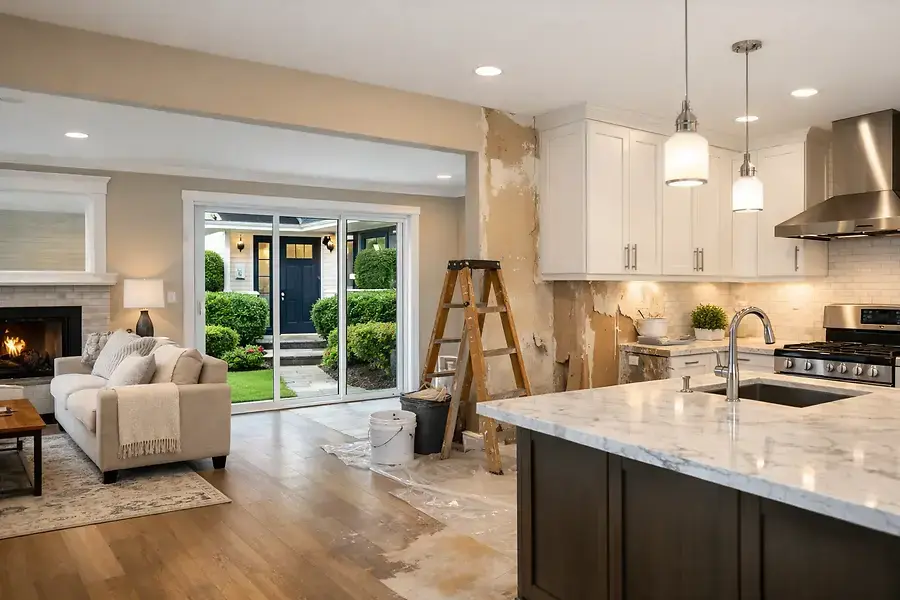
Introduction: Why Renovation ROI Matters for Homeowners
Renovating your home is more than just a way to improve your living space—it's a strategic investment in your property's future value. Whether you're planning to sell in the coming years or simply want to increase your home's equity, understanding which renovations deliver real returns is essential. Not all improvements are created equal, and some projects can actually diminish your home's appeal or drain your budget without adding meaningful value.
The key to successful home renovation is balancing your personal preferences with market realities. Buyers are willing to pay premium prices for homes that have been thoughtfully upgraded in ways that matter to them. By focusing on high-impact renovations and avoiding common pitfalls, you can maximize your return on investment and create a home that both you and future buyers will love.
High-Impact Renovations That Buyers Value Most
Kitchen Upgrades
The kitchen remains one of the most important spaces in any home, and buyers consistently prioritize modern, functional kitchens. A well-executed kitchen renovation typically returns 50-60% of its cost at resale. Focus on:
- New countertops and backsplash
- Updated cabinetry or cabinet refacing
- Energy-efficient appliances
- Improved lighting and layout
Avoid overly trendy designs that may feel dated quickly. Neutral colors and timeless styles appeal to a broader range of buyers.
Bathroom Renovations
Bathrooms are another area where buyers expect quality and functionality. A primary bathroom renovation can return 50-70% of its investment, while secondary bathrooms typically see 40-50% returns. Prioritize:
- Modern fixtures and finishes
- Adequate storage and ventilation
- Quality tile work and waterproofing
- Updated plumbing and electrical systems
A spa-like atmosphere with clean lines and quality materials creates a strong selling point.
Curb Appeal and Exterior Work
First impressions matter tremendously. Exterior improvements often deliver excellent returns because they're the first thing potential buyers see. Consider:
- Fresh paint and new roofing
- Landscaping and hardscaping
- New front door and entryway
- Updated siding or exterior finishes
These improvements can return 75-100% of their cost and significantly boost your home's perceived value.
Energy-Efficient Upgrades
Modern buyers increasingly value energy efficiency. Upgrades like new windows, insulation, HVAC systems, and solar panels appeal to environmentally conscious buyers and reduce long-term utility costs. Energy-efficient improvements often return 50-80% of their investment while providing immediate savings.
Flooring Replacements
Quality flooring makes a substantial difference in how buyers perceive your home. Hardwood floors, quality tile, and modern laminate options typically return 70-80% of their cost. Avoid carpeting in high-traffic areas, as many buyers prefer hard surfaces they can easily maintain.
Common Renovation Mistakes That Drain Your Budget
Over-Personalizing Your Space
While your home should reflect your personality, overly personalized renovations can actually hurt resale value. Avoid bold color schemes, niche design choices, and highly specialized spaces that won't appeal to a broad audience. What you love may not resonate with potential buyers.
Choosing Trendy Over Timeless
Design trends change rapidly. That ultra-modern kitchen with the latest trendy finishes might feel dated in five years. Stick with classic designs, neutral color palettes, and quality materials that will stand the test of time.
Neglecting Structural Issues
Cosmetic upgrades won't compensate for underlying problems. Buyers conduct inspections and will discover foundation issues, roof problems, or plumbing concerns. Always address structural and mechanical issues before investing in aesthetic improvements. A solid foundation is worth more than a pretty facade.
Upgrading Beyond Your Neighborhood
Installing a luxury kitchen in a modest neighborhood home may not return your full investment. Your renovations should be proportional to your home's value and the neighborhood's market standards. Research comparable homes in your area to guide your renovation budget.
DIY Disasters
While some DIY projects can save money, complex renovations require professional expertise. Poor workmanship in electrical, plumbing, or structural work can create safety hazards and cost more to fix than hiring professionals from the start. Know your limits and invest in quality contractors for critical systems.
Ignoring Permits and Codes
Unpermitted work can create serious problems during home sales. Inspectors and appraisers will identify unpermitted renovations, and buyers may demand costly corrections or price reductions. Always obtain proper permits and ensure work meets local building codes.
Incomplete Projects
Half-finished renovations signal poor maintenance and create concerns about quality. Buyers will factor in the cost to complete projects, significantly reducing your home's value. Complete renovations fully before listing your home.
Conclusion: Maximizing Your Home's Market Value Through Smart Choices
Strategic home renovations can substantially increase your property's equity and appeal to buyers.
The most successful renovations focus on high-impact areas like kitchens, bathrooms, and curb appeal while maintaining timeless design principles that appeal to a broad audience.
Before starting any renovation project, research your local market, consult with real estate professionals, and prioritize improvements that align with buyer expectations in your area. Avoid common pitfalls like over-personalization, trendy designs, and structural neglect.
By making informed decisions and focusing on quality improvements, you'll create a home that's both enjoyable to live in and attractive to future buyers—maximizing your return on investment and building lasting equity in your property.


