Strategic Home Selling Guide for Chicago's Western Suburban Markets
Master the proven tactics top agents use to sell residential properties faster and for higher prices across the Chicago metropolitan area.

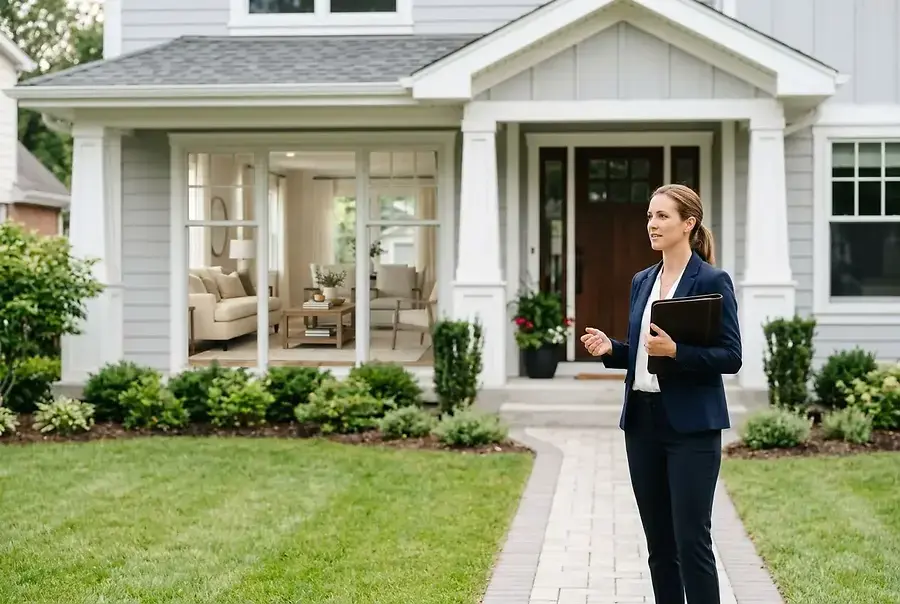
Understanding Your Local Market: Price Trends and Buyer Demographics Across Chicago's Western Suburbs
The Chicago western suburban market presents unique opportunities for sellers who understand their local landscape. Before listing your property, invest time in analyzing recent sales data, median prices, and inventory levels in your specific community. Communities like Oak Park, Riverside, and Hinsdale each have distinct characteristics that influence buyer behavior and property values.
Today's buyers in these areas are increasingly diverse. You'll find young families seeking excellent school districts, empty nesters downsizing from larger homes, and professionals attracted to convenient commute options to downtown Chicago. Understanding who is buying in your neighborhood allows you to market your property more effectively to the right audience.
Market Indicators to Monitor
- Days on Market (DOM): Track how long comparable homes stay listed before selling
- Price-to-List Ratio: Understand what percentage of asking price homes typically achieve
- Inventory Levels: Determine whether it's a buyer's or seller's market in your area
- Seasonal Trends: Recognize peak selling seasons and buyer activity patterns
Working with a local real estate professional who has access to current MLS data and market analytics is invaluable. They can provide comparative market analysis (CMA) that shows exactly where your home fits within the competitive landscape.
Preparing Your Home for Sale: Staging, Repairs, and Curb Appeal That Attract Serious Buyers
First impressions matter tremendously in real estate. Before potential buyers step inside, your home's exterior must captivate them. A well-maintained lawn, fresh landscaping, clean windows, and an inviting front entrance set the tone for the entire showing experience.
Curb Appeal Essentials
- Power wash the exterior and driveway
- Update or refresh the front door and hardware
- Trim overgrown bushes and plant seasonal flowers
- Ensure the mailbox, house numbers, and lighting are clean and visible
- Repair any visible damage to siding, roof, or gutters
Interior Staging Strategy
Declutter and Depersonalize: Remove family photos, excessive decorations, and personal items. Buyers need to envision themselves living in the space, not feel like they're intruding on your life.
Highlight Key Features: Arrange furniture to showcase room flow and natural light. Open floor plans should feel spacious; cozy rooms should feel intimate and inviting.
Address Necessary Repairs: Fix leaky faucets, squeaky doors, cracked tiles, and peeling paint. These minor issues signal poor maintenance and can derail negotiations. A pre-listing home inspection helps identify problems before buyers discover them.
The Power of Neutral Design
Paint walls in neutral tones like soft whites, grays, and beiges. Bold colors, while personally appealing, can distract buyers and limit their ability to imagine their own décor. Similarly, update outdated fixtures and hardware to create a more contemporary feel without major renovations.
Pricing Strategy and Marketing Techniques: How to Position Your Property Competitively in Today's Market
Pricing is perhaps the most critical decision in the selling process. Overpricing leads to extended time on market and eventual price reductions that signal desperation to buyers. Underpricing leaves money on the table. The sweet spot requires data-driven analysis and market intuition.
Establishing the Right Price
Your real estate agent should provide a detailed CMA analyzing recently sold properties, active listings, and expired listings in your area. Look for homes similar in size, condition, age, and location. Adjust for differences—a home with an updated kitchen or extra bathroom commands premium pricing.
"Pricing right from day one generates buyer interest, creates competition, and ultimately leads to faster sales at higher prices."
Strategic Marketing Approaches
- Professional Photography and Videography: High-quality images and virtual tours are essential. Most buyers begin their search online; poor photos eliminate your home from consideration immediately
- Targeted Digital Advertising: Use social media and real estate platforms to reach qualified buyers searching in your area
- Open Houses and Private Showings: Create opportunities for buyer exposure through strategic scheduling
- Neighborhood Highlights: Emphasize proximity to schools, parks, shopping, and transportation
- Detailed Property Descriptions: Tell your home's story—highlight renovations, unique features, and lifestyle benefits
Leveraging Multiple Listing Services
Ensure your listing appears on all major platforms including Zillow, Realtor.com, and local MLS systems. Consistency in information across platforms builds credibility and maximizes visibility to potential buyers and their agents.
Closing the Deal: Negotiation Tips and Timeline Expectations from Offer to Settlement
Once offers arrive, the real negotiation begins. The first offer isn't always the best offer. Consider not just price, but contingencies, closing timeline, and buyer financing strength.
Evaluating Offers Strategically
Price is Just One Factor: A lower offer with fewer contingencies and a quick closing might be preferable to a higher offer with extensive inspection contingencies and a distant closing date.
Buyer Financing: Pre-approved buyers with strong credit and substantial down payments present lower risk than those requiring contingent financing.
Inspection Contingencies: Expect buyers to request inspections. Be prepared with documentation of recent repairs and maintenance to address concerns proactively.
Negotiation Best Practices
- Respond to counteroffers promptly but thoughtfully
- Remain flexible on non-essential terms to keep deals moving forward
- Use your agent as a buffer to maintain professional relationships
- Document all agreements in writing through official contracts
Timeline Expectations
From accepted offer to settlement typically takes 30-45 days. This period includes inspections, appraisals, title searches, and final walkthroughs. Stay responsive to requests from the buyer's lender and title company to prevent delays. Coordinate with your real estate attorney to ensure all closing documents are prepared accurately.
Selling your home in Chicago's western suburbs requires strategic planning, attention to detail, and market knowledge. By understanding your local market, presenting your home at its best, pricing competitively, and negotiating skillfully, you'll maximize your return and minimize stress throughout the process. Partner with experienced local professionals who know these communities intimately, and you'll be well-positioned for a successful sale.


