Strategic Home Staging Techniques to Attract Buyers and Accelerate Sales
Discover proven staging techniques that help residential properties attract serious buyers and close deals quicker.

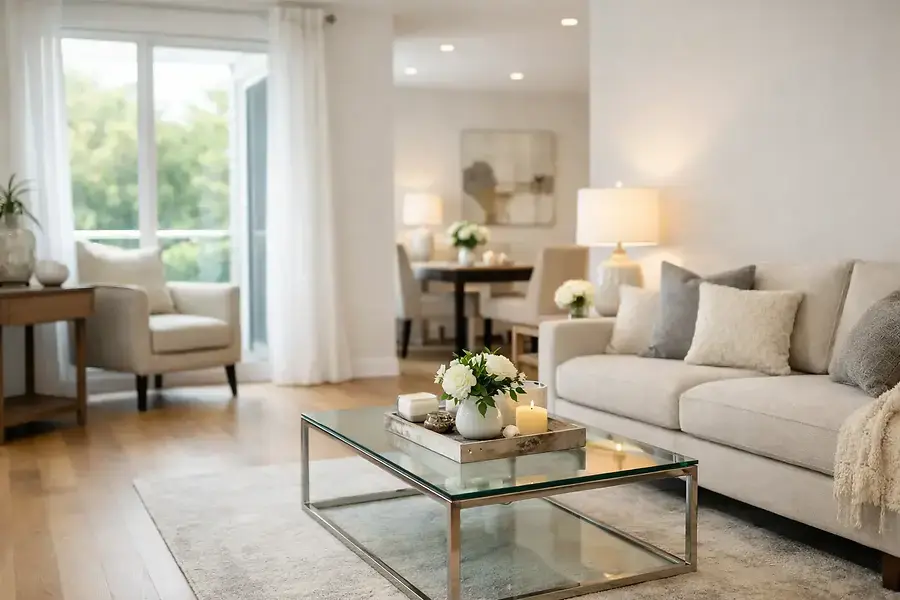
The Power of First Impressions in Home Sales
When potential buyers walk through your home's front door, they form an opinion within seconds. This critical first impression can determine whether they continue viewing your property or move on to the next listing. Home staging is the art and science of preparing your property to appeal to the broadest range of buyers, and it's one of the most effective tools in your real estate arsenal.
The statistics speak for themselves: staged homes sell faster and often command higher prices than unstaged properties. By strategically presenting your home, you're not just showing a space—you're telling a story that helps buyers envision themselves living there. Effective staging removes barriers between buyers and their emotional connection to your property.
Whether you're selling in a competitive market or looking to maximize your return on investment, understanding and implementing proven staging techniques can make the difference between a quick sale and a property that lingers on the market.
Decluttering and Depersonalizing Your Space
The Clutter Conundrum
One of the most common mistakes homeowners make is underestimating the impact of clutter. Buyers need to envision themselves in your home, and personal items, excessive furniture, and disorganization create visual noise that distracts from your property's best features.
Start by removing items that don't serve a purpose:
- Excess furniture that makes rooms feel cramped
- Personal photographs and memorabilia
- Knick-knacks and decorative items that clutter shelves
- Outdated or worn items that suggest neglect
- Children's toys and sports equipment
Creating Neutral Spaces
Depersonalization is equally important as decluttering. Your home should feel like a blank canvas where buyers can project their own lifestyle and preferences. This doesn't mean making your home feel cold or sterile—it means creating a welcoming, neutral environment.
Consider these depersonalization strategies:
- Replace bold, trendy wall colors with neutral tones like beige, gray, or soft white
- Remove family photos and replace with tasteful, generic artwork
- Store away collections and hobby-related items
- Minimize personal touches in bathrooms and bedrooms
- Keep kitchen countertops clear of appliances and personal items
Pro tip: Store excess items in a rental unit or with friends and family. This creates space while keeping your belongings safe.
Lighting, Color, and Furniture Arrangement Strategies
Mastering Lighting
Lighting is one of the most underutilized staging tools, yet it dramatically impacts how buyers perceive your home. Poor lighting can make even beautiful spaces feel unwelcoming, while strategic lighting creates warmth and highlights your home's best features.
Optimize your lighting with these techniques:
- Open all curtains and blinds to maximize natural light
- Clean windows thoroughly to allow more light to enter
- Add table lamps and floor lamps to create layered lighting
- Replace dim or outdated light fixtures with modern, bright alternatives
- Use warm-toned bulbs (2700K) to create an inviting atmosphere
- Ensure all light switches work and bulbs are functioning
Strategic Color Selection
Color psychology plays a significant role in how buyers feel when viewing your home. The right colors can evoke emotions of calm, spaciousness, and comfort—all qualities buyers desire.
Color recommendations by room:
- Living Areas: Soft grays, warm beiges, and light taupes create sophistication and calm
- Bedrooms: Pale blues, soft greens, and neutral whites promote relaxation
- Kitchens: Crisp whites, light grays, and warm neutrals suggest cleanliness and modernity
- Bathrooms: Spa-like colors including soft blues, greens, and whites
Furniture Arrangement Mastery
How you arrange furniture can make or break a room's appeal. Proper furniture placement creates flow, highlights space, and helps buyers understand how they can use each room.
Key furniture arrangement principles:
- Remove excess furniture to make rooms appear larger
- Arrange seating to encourage conversation and create focal points
- Ensure clear pathways through each room
- Position furniture to highlight architectural features like fireplaces or windows
- Use area rugs to define spaces and create visual interest
- Keep bedroom furniture minimal—a bed, nightstands, and a dresser are sufficient
"The goal of staging is not to showcase your personal style, but to create an environment where buyers can imagine their own lives unfolding."
Finishing Touches
Small details create big impressions. Add fresh flowers, quality throw pillows, and tasteful artwork to create warmth without personalizing. Ensure all spaces smell fresh—avoid strong cooking odors or artificial air fresheners. A subtle vanilla or fresh linen scent can enhance the buying experience.
Transform Your Home's Appeal and Accelerate Your Sale
Home staging is an investment in your property's marketability. By decluttering, depersonalizing, and strategically managing lighting, color, and furniture arrangement, you create an environment that appeals to the widest possible buyer pool. These proven techniques don't just help your home sell faster—they often result in higher offers and better negotiating positions.
The beauty of staging is that many techniques require minimal financial investment. Most improvements come from thoughtful organization, strategic rearrangement, and attention to detail. Whether you choose to stage your home yourself or hire a professional stager, the return on investment typically far exceeds the cost.
Remember, in today's competitive real estate market, first impressions matter more than ever. By implementing these strategic staging techniques, you're not just preparing your home for sale—you're creating an emotional connection that transforms browsers into buyers. Start today, and watch as your home's appeal—and your sale timeline—transforms dramatically.


