Strongsville Home Inspection Essentials: What Buyers Need to Know
Discover the critical inspection points that protect your investment and prevent costly surprises when buying in Strongsville.

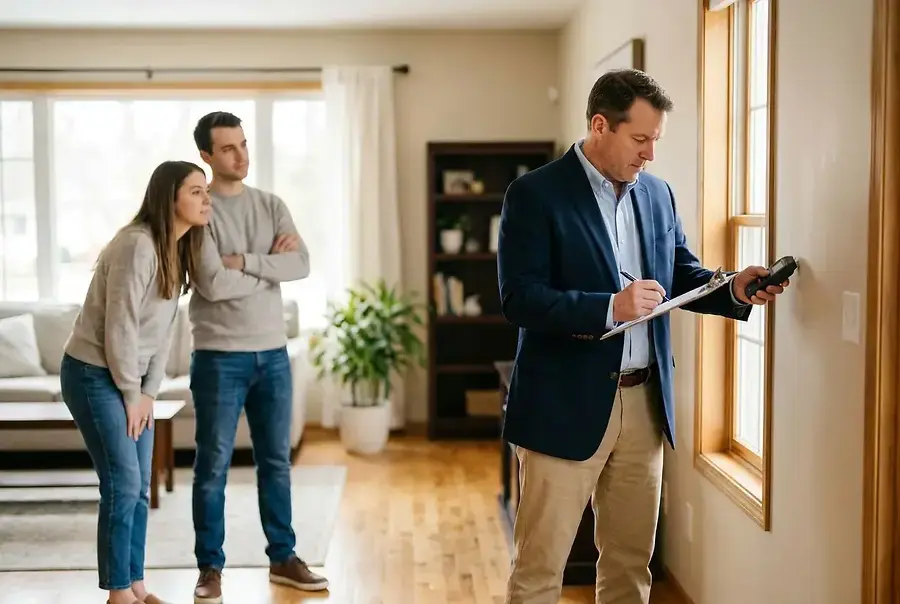
Understanding the Home Inspection Process in Strongsville
A home inspection is one of the most important steps in the home buying process. It's a thorough examination of a property's physical structure and systems, conducted by a licensed professional inspector. In Strongsville, this process typically takes two to three hours and covers everything from the foundation to the roof.
During the inspection, the inspector will evaluate:
- Structural components - Foundation, walls, and overall integrity
- Roofing systems - Condition, age, and potential repairs needed
- Electrical systems - Wiring, panels, and safety compliance
- Plumbing systems - Pipes, fixtures, and water pressure
- HVAC systems - Heating, cooling, and ventilation efficiency
- Insulation and ventilation - Energy efficiency and moisture control
- Windows and doors - Functionality and weather sealing
As a buyer, you have the right to be present during the inspection. This is an excellent opportunity to ask questions and learn about the property's condition firsthand. Many inspectors are happy to explain their findings and discuss maintenance recommendations.
Common Issues Found in Strongsville Homes and How to Address Them
Aging Roofs and Weather Damage
Strongsville homes, particularly those built several decades ago, often show signs of roof wear. Asphalt shingles typically last 15-20 years, and many older homes in the area are due for replacement. If your inspection reveals roof damage, obtain repair estimates from licensed contractors before negotiating.
Foundation and Basement Concerns
Water intrusion and foundation cracks are common issues in the Strongsville area due to the region's climate and soil composition. Minor cracks may be cosmetic, but significant cracks or evidence of water damage warrant further investigation by a structural engineer.
Outdated Electrical Systems
Older homes may have outdated electrical panels or insufficient capacity for modern appliances. Aluminum wiring, found in some homes from the 1960s-1970s, can pose fire hazards and should be evaluated by a licensed electrician.
Plumbing Issues
Galvanized pipes, common in older Strongsville homes, can corrode over time and restrict water flow. If your inspection identifies this issue, budget for potential replacement or at least plan for future upgrades.
HVAC System Age
Heating and cooling systems typically last 15-20 years. If the system is nearing the end of its lifespan, factor replacement costs into your offer or negotiate for the seller to address this before closing.
Red Flags to Watch For During Your Inspection
Signs of Pest Infestation
Look for evidence of termites, carpenter ants, or rodents. These can cause significant structural damage and require professional pest control treatment. Any signs of infestation should be taken seriously and investigated further.
Mold and Moisture Problems
Visible mold, musty odors, or water stains indicate moisture issues. Mold remediation can be expensive, and ongoing moisture problems suggest deeper structural or drainage concerns.
Asbestos and Lead Paint
Homes built before the 1980s may contain asbestos in insulation, tiles, or other materials. Homes built before 1978 likely have lead-based paint. While not always dangerous if undisturbed, these materials require proper handling and disclosure.
Sagging Floors or Ceilings
These can indicate structural problems, foundation settling, or water damage. Don't ignore these warning signs—they often point to more serious issues requiring professional assessment.
Inadequate Grading or Drainage
If the ground slopes toward the house rather than away from it, water will accumulate around the foundation. Poor drainage is a common cause of basement flooding and foundation problems in Strongsville.
Outdated or Unsafe Electrical Work
Look for signs of DIY electrical work, exposed wiring, or an overloaded electrical panel. These pose serious safety hazards and should be corrected by a licensed electrician before purchase.
Next Steps: Using Inspection Results to Negotiate Your Best Deal
Review the Inspection Report Carefully
Take time to understand the inspector's findings. Ask your real estate agent to explain any technical terms or concerns you don't understand. Don't rush this process—it's crucial to your decision-making.
Prioritize Issues by Severity
Categorize findings into three groups: critical safety issues, major repairs needed, and minor maintenance items. Focus your negotiations on critical and major issues that affect the home's value and safety.
Obtain Repair Estimates
For significant issues, get written estimates from licensed contractors. This gives you concrete numbers to use in negotiations and helps you understand the true cost of repairs.
Decide Your Negotiation Strategy
You have several options:
- Request repairs: Ask the seller to fix issues before closing
- Request credits: Ask for a credit toward closing costs to handle repairs yourself
- Request price reduction: Negotiate a lower purchase price to account for repairs
- Walk away: If issues are too extensive, you may choose to find another property
Document Everything
Keep copies of the inspection report, repair estimates, and all correspondence regarding inspection findings. These documents protect you and provide clarity throughout the negotiation process.
"A thorough home inspection is your best defense against unexpected expenses and safety hazards. It's an investment in peace of mind and financial protection."
By understanding what to expect during a Strongsville home inspection and knowing what red flags to watch for, you'll be better equipped to make an informed decision about your home purchase. Remember, the inspection period is your opportunity to uncover issues before you commit to the purchase. Use this time wisely to protect your investment and ensure you're buying a safe, sound home.


