Suburban Growth Trends Across NC's Triangle and Coastal Communities
Discover which emerging neighborhoods in Raleigh, Durham, Chapel Hill, Wilmington, and surrounding towns are experiencing rapid appreciation and attracting smart investors.

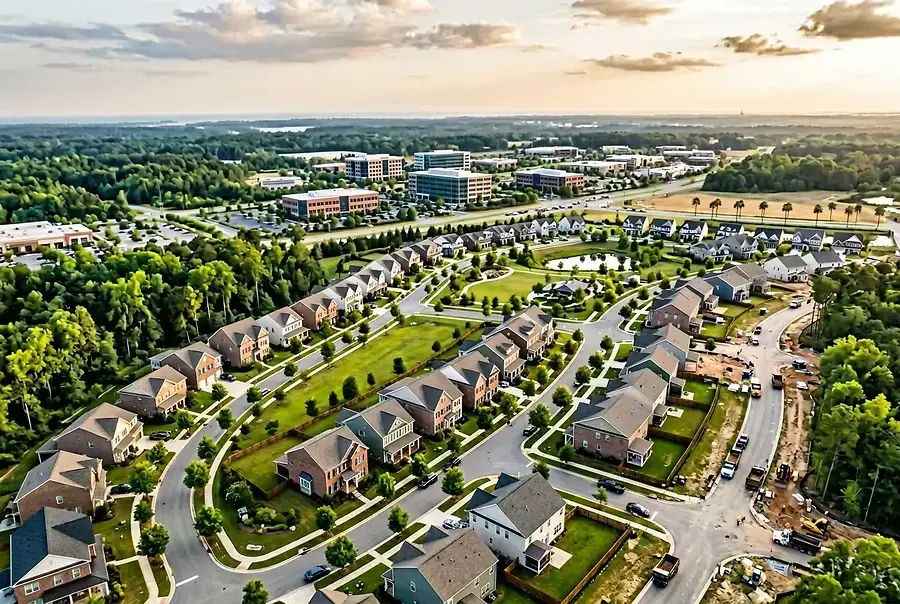
The Suburban Expansion Wave in North Carolina
North Carolina's real estate landscape is undergoing a remarkable transformation. The state's Triangle region—comprising Raleigh, Durham, and Chapel Hill—along with thriving coastal communities like Wilmington, are witnessing unprecedented suburban expansion. This growth isn't random; it's driven by a combination of economic development, population migration, and strategic infrastructure investments that are reshaping how people live and work across the state.
The appeal is multifaceted. Tech industry growth, quality education systems, and affordable living costs continue to attract families and young professionals from across the nation. Unlike many saturated markets on the coasts, North Carolina offers the rare combination of opportunity and accessibility, making suburban communities increasingly attractive to both owner-occupants and savvy investors.
Understanding where growth is happening—and where it's heading—is crucial for anyone looking to make informed real estate decisions in this dynamic market.
Emerging Neighborhoods with Strong Growth Potential Across the Region
The Triangle Region: Raleigh, Durham, and Chapel Hill
The Triangle continues to be North Carolina's economic powerhouse. In Raleigh, neighborhoods like North Hills, Crabtree Valley, and areas along the I-40 corridor are experiencing significant appreciation. These communities offer proximity to employment centers while maintaining suburban charm and newer construction options.
Durham's growth extends beyond downtown revitalization. South Durham neighborhoods and communities near Research Triangle Park are attracting professionals seeking modern amenities and strong school systems. The area's tech sector expansion is directly fueling residential demand in these emerging suburbs.
Chapel Hill's surrounding communities deserve particular attention. Towns like Carrboro and areas in Orange County are experiencing spillover growth as Chapel Hill proper becomes increasingly expensive. These adjacent communities offer better value while maintaining access to the university town's cultural and educational benefits.
Coastal Opportunities: Wilmington and Beyond
Wilmington represents a different growth story—one driven by lifestyle migration and remote work flexibility. Neighborhoods north and south of downtown Wilmington are attracting retirees, young families, and remote workers seeking coastal living without major metropolitan costs.
The coastal region's appeal extends to smaller communities as well. Towns within 20-30 minutes of Wilmington are experiencing rapid appreciation as people seek more affordable alternatives while maintaining beach access and coastal amenities.
Key Characteristics of High-Growth Neighborhoods
The most promising emerging neighborhoods share common traits:
- Proximity to employment centers and major highways
- Developing or recently completed infrastructure improvements
- Strong school systems and family-friendly amenities
- Mixed housing options from new construction to established homes
- Reasonable price points relative to comparable markets
- Active community development and commercial growth
Market Indicators and Investment Opportunities in High-Growth Areas
Understanding the Numbers
Several market indicators suggest sustained growth in North Carolina's suburban communities. Population growth rates in suburban Triangle counties are outpacing state averages, with migration patterns showing consistent inflow from other states. This demographic shift directly translates to housing demand.
Appreciation rates in emerging neighborhoods are outpacing established urban centers. Properties in high-growth suburban areas are seeing annual appreciation rates that exceed state and national averages, particularly in communities with strong school systems and new commercial development.
Investment Strategies for Different Goals
For Owner-Occupants: Focus on neighborhoods with strong fundamentals—good schools, planned infrastructure improvements, and established community amenities. These areas offer stability and long-term value appreciation.
For Investors: Consider emerging neighborhoods slightly ahead of major development announcements. Areas experiencing early-stage commercial growth or infrastructure improvements often see significant appreciation before becoming mainstream. Rental demand remains strong in communities near universities and employment centers.
For Long-Term Wealth Building: Suburban communities with planned expansions offer the best risk-reward balance. Look for areas with master-planned developments, new school construction, or announced commercial projects.
Risk Considerations
While growth prospects are strong, smart investors understand potential challenges. Market saturation in some areas, interest rate fluctuations, and economic shifts can impact appreciation rates. Diversification across multiple neighborhoods and communities reduces risk while maximizing exposure to growth opportunities.
Due diligence remains essential. Research local government development plans, school system ratings, and employment trends before committing capital to any emerging neighborhood.
Positioning Yourself in North Carolina's Next Hot Markets
The suburban growth wave across North Carolina's Triangle and coastal regions presents genuine opportunities for both homebuyers and investors. The key is acting with informed intention—understanding which neighborhoods have the fundamentals for sustained growth and aligning your investment strategy with your personal goals.
Whether you're seeking a family home with strong schools, a rental investment with solid cash flow potential, or long-term wealth appreciation, North Carolina's emerging suburban communities offer compelling options. The state's economic trajectory, combined with reasonable valuations compared to national markets, creates a favorable environment for real estate success.
The time to research and position yourself in these markets is now. As awareness of North Carolina's opportunities grows, early movers will benefit from appreciation before these neighborhoods become household names. By understanding current trends and market indicators, you can make strategic decisions that align with your financial goals and capitalize on the state's continued growth momentum.
North Carolina's suburban story is still being written—and the best chapters may be ahead.