Suburban Home Values Across Portland Metro's Top Neighborhoods
Discover how residential neighborhoods in Beaverton, Lake Oswego, and surrounding communities compare in price, amenities, and investment potential.

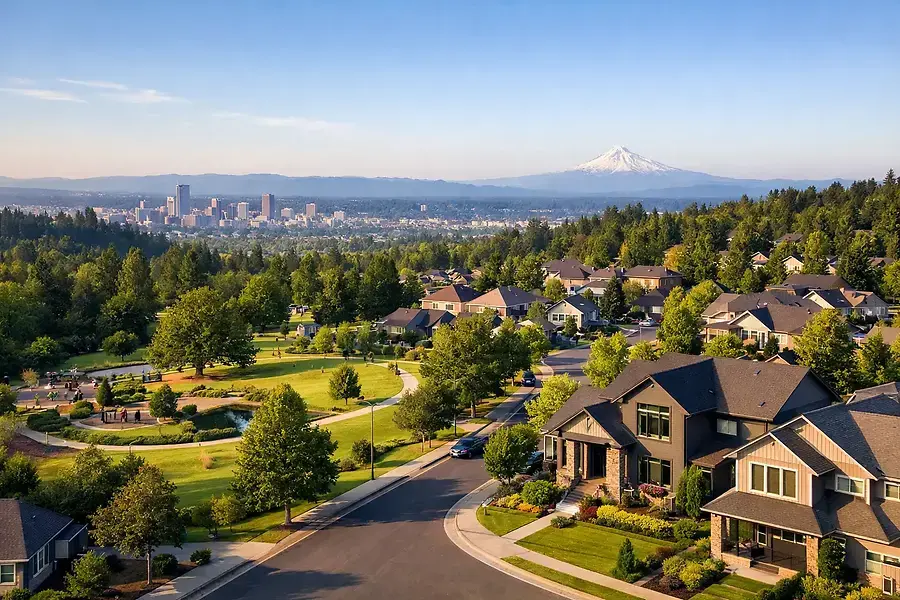
Understanding Portland Metro's Residential Market Diversity
The Portland metropolitan area has become an increasingly attractive destination for homebuyers seeking suburban living with urban conveniences. From the tech-forward communities of Beaverton to the upscale neighborhoods of Lake Oswego, the region offers diverse residential options at varying price points. Understanding the nuances of each neighborhood's real estate market is essential for anyone considering a home purchase or investment in the area.
The Portland suburbs have experienced significant growth over the past several years, driven by population migration from urban centers and the region's strong job market. Each neighborhood presents unique characteristics, from school district quality to proximity to employment hubs, making it crucial for potential buyers to evaluate their options carefully.
Neighborhood-by-Neighborhood Price Trends and Property Values
Beaverton: The Tech Hub's Affordable Gateway
Beaverton has emerged as one of Portland's most dynamic suburban communities, largely due to its proximity to major technology companies and the Intel campus. Home values in Beaverton typically range from $450,000 to $650,000 for single-family residences, making it more accessible than some neighboring communities while still offering strong appreciation potential.
The neighborhood benefits from excellent schools, modern infrastructure, and a growing commercial district. Recent developments have brought new shopping centers, restaurants, and entertainment venues, enhancing the community's appeal to young professionals and families alike.
Lake Oswego: Premium Living and Established Wealth
Lake Oswego represents the premium end of Portland's suburban market, with median home values ranging from $750,000 to well over $1.2 million. This established community is known for its:
- Highly-rated school districts consistently ranked among Oregon's best
- Waterfront properties and scenic lake views
- Upscale shopping and dining experiences
- Strong community amenities and recreational facilities
The neighborhood's prestige and limited inventory contribute to its sustained property values and steady appreciation rates.
Tigard and Milwaukie: The Middle Ground
These communities offer a balanced approach to suburban living, with home values typically ranging from $500,000 to $750,000. Both neighborhoods provide excellent value propositions, featuring:
- Good school systems and family-friendly amenities
- Convenient access to public transportation
- Growing commercial and retail development
- More affordable entry points than Lake Oswego
Hillsboro and Sherwood: Emerging Growth Areas
These rapidly developing suburbs are attracting buyers seeking newer construction and modern amenities. Home values range from $400,000 to $650,000, with strong growth potential as infrastructure and commercial development continue to expand.
Key Factors Driving Home Appreciation in Each Suburb
School District Quality
School ratings remain one of the most significant drivers of home values across Portland's suburbs. Neighborhoods with top-rated schools consistently command premium prices and experience stronger appreciation. Families prioritize educational opportunities, making school district rankings a critical factor in their purchasing decisions.
Employment Proximity and Job Growth
Communities near major employment centers, particularly the technology corridor in Beaverton and Hillsboro, benefit from sustained demand and population growth. The presence of major employers creates a stable foundation for property value appreciation and attracts a skilled workforce seeking convenient commutes.
Infrastructure and Transportation Access
Neighborhoods with excellent public transportation connections, well-maintained roads, and planned infrastructure improvements tend to appreciate faster. The expansion of transit options and road improvements signal future growth and increased accessibility, making these areas attractive to both current and future residents.
Community Amenities and Lifestyle Factors
Parks, recreational facilities, shopping centers, and dining options significantly influence property values. Communities that invest in quality-of-life amenities attract and retain residents, supporting sustained demand and appreciation.
New Development and Housing Supply
The balance between new construction and existing inventory plays a crucial role in price trends. Areas with controlled growth and limited new supply tend to see stronger appreciation, while neighborhoods with abundant new construction may experience more moderate price growth as supply meets demand.
Making an Informed Residential Investment Decision
When evaluating Portland metro suburbs for a home purchase or investment, consider the following:
- Your budget and long-term financial goals – Determine whether you're seeking affordability, premium amenities, or strong appreciation potential
- Lifestyle priorities – Consider proximity to work, schools, shopping, and recreation
- Market trends – Research recent sales data, average days on market, and price trends in your target neighborhoods
- Future development plans – Investigate planned infrastructure improvements and commercial development that could impact property values
- Community character – Visit neighborhoods at different times to experience the community atmosphere and determine if it aligns with your preferences
Portland's suburban market offers opportunities for buyers at every price point and with varying investment objectives. Whether you're drawn to Beaverton's tech-forward energy, Lake Oswego's established prestige, or the balanced appeal of Tigard and Milwaukie, each neighborhood presents distinct advantages and investment potential.
The key to successful real estate investment in Portland's suburbs lies in understanding your priorities, researching market fundamentals, and making decisions based on both current conditions and long-term growth potential.
By carefully evaluating neighborhood characteristics, price trends, and future development prospects, homebuyers and investors can make informed decisions that align with their financial goals and lifestyle preferences. The Portland metro area's diverse suburban landscape ensures that there's an ideal community for nearly every buyer.


