Suburban Home Values Across the Triangle: A 2026 Market Comparison
Discover how neighborhoods from Raleigh to Wake Forest compare in pricing, amenities, and growth potential for your next home purchase.

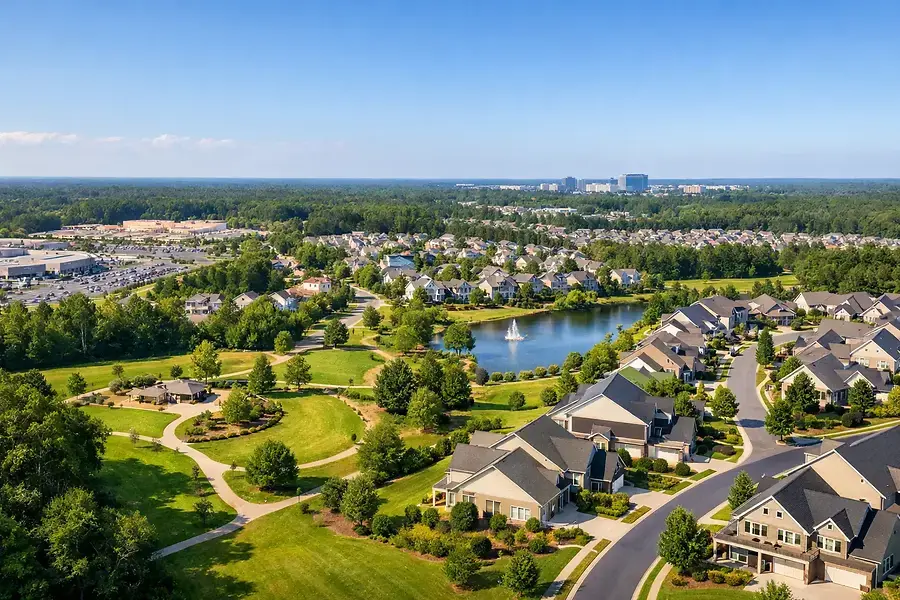
Understanding the Triangle's Suburban Market Landscape
The Research Triangle region—comprising Raleigh, Durham, and Chapel Hill—has emerged as one of the nation's most dynamic real estate markets. The suburban communities surrounding these urban centers have experienced remarkable growth, attracting families, professionals, and investors seeking quality of life combined with economic opportunity. Understanding the current market landscape is essential for anyone considering a home purchase in this competitive region.
The Triangle's suburban market is characterized by diverse neighborhoods, each offering unique advantages. From established communities with mature trees and established schools to newer developments featuring modern amenities, the region caters to various preferences and budgets. The influx of tech companies, healthcare institutions, and research facilities has fueled demand for housing, creating both opportunities and challenges for homebuyers.
Market Dynamics and Growth Factors
Several factors have contributed to the Triangle's robust suburban growth. The region's strong job market, excellent schools, and quality of life have made it increasingly attractive to relocating families. Additionally, the area's relatively affordable housing compared to other major metropolitan regions has drawn significant interest from first-time homebuyers and investors alike.
Neighborhood-by-Neighborhood Value Analysis and Appreciation Trends
Each neighborhood in the Triangle offers distinct characteristics that influence home values and investment potential. Let's examine some of the region's most sought-after suburban communities:
North Raleigh Communities
North Raleigh neighborhoods have consistently demonstrated strong appreciation trends. Communities like Wakefield and Falls River feature well-maintained homes, excellent schools, and convenient access to shopping and dining. These established neighborhoods command premium prices, reflecting their desirability and stability. Median home values in these areas have shown steady growth, making them attractive for long-term investment.
Cary's Expanding Suburbs
Cary continues to be a magnet for homebuyers seeking modern amenities and strong community infrastructure. Neighborhoods such as Lochmere and White Deer Park offer a mix of newer construction and established homes. The town's investment in parks, trails, and recreational facilities has enhanced property values. Cary's reputation for excellent schools and low crime rates supports continued appreciation potential.
Durham's Emerging Neighborhoods
Durham's suburban areas are experiencing rapid transformation and growth. Communities like Forest Hills and Southgate are attracting younger professionals and families seeking more affordable entry points while maintaining access to urban amenities. These neighborhoods offer significant appreciation potential as infrastructure improvements and commercial development continue.
Wake Forest and Northern Suburbs
Wake Forest has evolved from a small town to a thriving suburban community. Neighborhoods here offer a blend of small-town charm and suburban convenience. The area's strong schools, growing commercial district, and family-friendly atmosphere have driven consistent home value appreciation. Newer developments continue to attract buyers seeking newer construction with modern features.
Factors Driving Home Prices Across Raleigh, Cary, Durham, and Beyond
School Quality and Educational Opportunities
School ratings remain one of the most significant drivers of suburban home values across the Triangle. Neighborhoods served by highly-rated schools command premium prices, as families prioritize educational quality. The region's strong public school systems, combined with private school options, create competitive demand for homes in top-rated school districts.
Proximity to Employment Centers
Commute times and proximity to major employment hubs significantly influence home values. Neighborhoods with convenient access to Research Triangle Park, downtown Raleigh, and Durham's growing tech corridor maintain strong demand. As remote work becomes more flexible, some suburban areas farther from traditional employment centers are gaining appeal.
Amenities and Community Features
Modern amenities drive buyer preferences and home values. Communities offering the following features command higher prices:
- Well-maintained parks and recreational facilities
- Walking trails and greenways
- Community centers and pools
- Shopping and dining options
- Quality infrastructure and road maintenance
New Construction and Development
Active development and new construction projects signal growth and can drive appreciation. Neighborhoods with planned improvements, new retail development, or infrastructure upgrades often see increased buyer interest and rising values. However, the pace of development must balance growth with maintaining neighborhood character.
Economic Factors and Market Conditions
Interest rates, inventory levels, and broader economic conditions influence the Triangle's real estate market. Recent market stabilization has created more balanced conditions, benefiting both buyers and sellers. The region's economic diversity and strong job market provide resilience against broader economic downturns.
Making Your Best Investment Decision in Today's Triangle Market
Assessing Your Priorities
Before making a purchase decision, clearly identify your priorities. Are you seeking a strong school district, proximity to employment, modern amenities, or investment appreciation potential? Understanding your needs will help narrow your options and guide your search toward neighborhoods that align with your goals.
Evaluating Long-Term Potential
Consider not just current conditions but future growth potential. Research planned developments, infrastructure improvements, and demographic trends in neighborhoods of interest. Communities experiencing positive change often offer better long-term appreciation prospects.
Working with Local Experts
Partner with real estate professionals who understand the Triangle market intimately. Local agents can provide insights into neighborhood trends, upcoming developments, and realistic pricing expectations. Their expertise can help you identify opportunities and avoid potential pitfalls.
Timing Your Purchase
While market timing is challenging, understanding current conditions helps inform your decision. The Triangle's market offers opportunities across various price points and neighborhoods. Whether you're a first-time buyer or experienced investor, neighborhoods exist that match your budget and goals.
"The Triangle's suburban market offers something for everyone—from established, stable neighborhoods to emerging communities with significant growth potential. Success comes from understanding your priorities and matching them with the right neighborhood."
Final Thoughts
The Triangle's suburban real estate market presents diverse opportunities for homebuyers and investors. From North Raleigh's established communities to Durham's emerging neighborhoods, each area offers distinct advantages. By understanding market dynamics, evaluating neighborhood characteristics, and aligning your purchase with your long-term goals, you can make a confident investment decision in this thriving region. The Triangle's continued economic growth, quality of life, and diverse neighborhoods position it as an excellent choice for your next home.


