Suburban Living Cost Comparison: Which Wisconsin Towns Fit Your Budget
Explore real estate prices, property taxes, and cost of living across Southeast Wisconsin's most desirable residential communities.

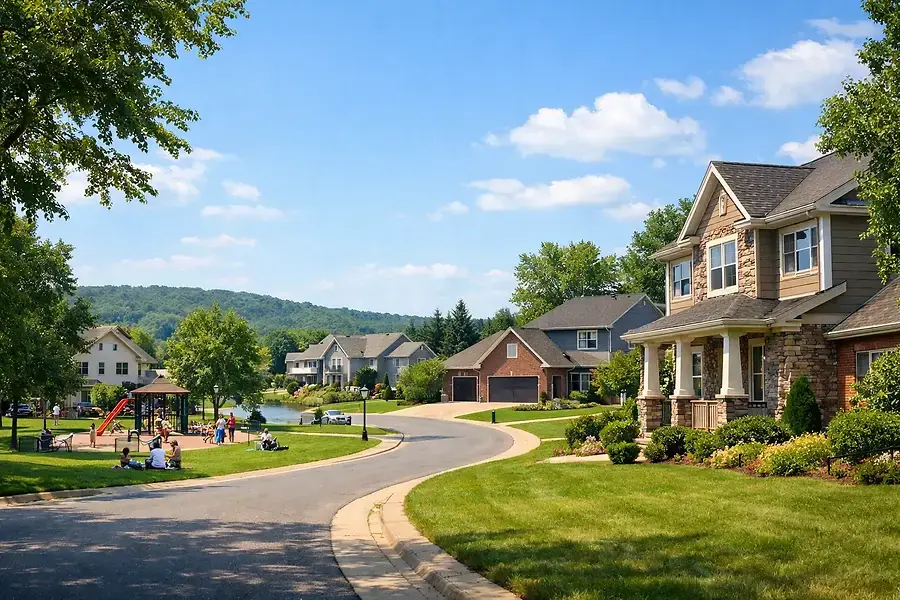
Understanding Price Variations Across Wisconsin Suburbs
When considering a move to Southeast Wisconsin, understanding the cost landscape is essential for making an informed decision. Suburban communities in the region vary significantly in pricing, influenced by factors such as proximity to Milwaukee, school district quality, amenities, and local economic development. The difference between the most affordable and most expensive suburbs can exceed hundreds of thousands of dollars for comparable properties.
Several key factors drive these price variations. Location proximity to urban centers remains one of the most influential determinants, with communities closer to downtown Milwaukee commanding premium prices. School district ratings consistently impact property values, as families prioritize educational quality. Additionally, property tax rates vary considerably across municipalities, affecting the true cost of homeownership beyond the initial purchase price.
The Role of Property Taxes in Your Budget
Wisconsin's property tax system plays a crucial role in determining your overall housing costs. Unlike some states, Wisconsin residents face relatively higher property tax burdens, with rates varying from approximately 0.8% to 1.5% of assessed home value annually across different suburbs. This means a $300,000 home could cost between $2,400 and $4,500 per year in property taxes alone, depending on location.
Understanding these variations is critical because property taxes directly impact your monthly mortgage and housing expenses. Communities with excellent schools and robust municipal services typically charge higher rates, while more rural or developing areas may offer lower tax burdens.
Neighborhood-by-Neighborhood Cost Breakdown and Value Factors
Premium Communities: Whitefish Bay and Shorewood
These established, affluent suburbs offer exceptional schools, beautiful tree-lined streets, and strong community amenities. Median home prices range from $450,000 to $650,000, with property taxes around 1.2% to 1.4%. While these communities represent a significant investment, they deliver strong property value retention and outstanding educational opportunities.
Mid-Range Options: Wauwatosa and Elm Grove
Offering excellent balance between affordability and quality of life, these suburbs feature:
- Median home prices between $280,000 and $380,000
- Strong school districts with competitive ratings
- Property tax rates around 1.0% to 1.2%
- Diverse housing stock from starter homes to larger estates
- Active community centers and recreational facilities
These communities attract young families and professionals seeking value without sacrificing quality schools or amenities.
Budget-Friendly Communities: Cudahy and South Milwaukee
For buyers prioritizing affordability, these south-side suburbs offer compelling opportunities. Median home prices range from $150,000 to $220,000, with property taxes around 0.9% to 1.1%. While these communities may lack the prestige of premium suburbs, they offer:
- Affordable entry points for first-time homebuyers
- Improving school districts with recent investments
- Growing commercial development and job opportunities
- Strong community revitalization efforts
- Lower overall cost of living
Emerging Value Communities: Mequon and Germantown
These northern suburbs represent the sweet spot for many buyers—newer development with modern amenities at reasonable prices. Median home prices range from $320,000 to $420,000, with property taxes around 1.0% to 1.15%. These communities offer:
- Newer construction and updated infrastructure
- Excellent recreational facilities and parks
- Growing job markets and economic development
- Family-friendly environments with good schools
- Strong appreciation potential
Making Your Budget Work: Finding Affordability Without Compromise
Calculate Your True Housing Costs
Don't focus solely on purchase price. Your true housing cost includes mortgage payments, property taxes, homeowners insurance, utilities, and maintenance. A $250,000 home in a high-tax suburb might cost more annually than a $280,000 home in a lower-tax community. Use online calculators to compare total costs across different municipalities.
Consider the Long-Term Investment
While premium communities command higher prices, they often appreciate faster and maintain value better during market downturns. Conversely, affordable communities may offer better appreciation potential as they develop and improve. Consider your timeline—if you plan to stay 10+ years, the long-term appreciation potential may justify a higher initial investment.
Explore Emerging Neighborhoods
Communities undergoing revitalization often offer the best value. Look for areas with:
- Recent infrastructure improvements
- New business development and job creation
- School district improvements and investments
- Community development initiatives
- Lower current prices with appreciation potential
Leverage First-Time Homebuyer Programs
Wisconsin and many municipalities offer programs to assist first-time buyers, including down payment assistance, favorable loan terms, and tax credits. Research local and state programs that could reduce your upfront costs and monthly payments.
Negotiate Beyond Price
In today's market, successful buyers negotiate strategically. Consider requesting seller concessions for closing costs, repairs, or improvements rather than focusing solely on purchase price reduction. This approach can significantly reduce your out-of-pocket expenses.
Conclusion: Your Path to Finding the Right Home at the Right Price
Finding the perfect Wisconsin suburb requires balancing multiple factors: purchase price, property taxes, school quality, community amenities, and long-term appreciation potential. There is no one-size-fits-all answer—the right community depends on your priorities, timeline, and financial situation.
Start by clearly defining your budget, including all housing-related costs. Research communities that align with your lifestyle preferences and financial goals. Visit neighborhoods at different times of day, talk to residents, and explore local amenities. Finally, work with a knowledgeable real estate professional familiar with Southeast Wisconsin's market dynamics.
Whether you're seeking premium schools in established communities, emerging value in developing suburbs, or affordability in revitalizing neighborhoods, Southeast Wisconsin offers options for every budget. By understanding the cost variations and value factors across different communities, you can confidently find a home that fits both your lifestyle and your financial goals.


