Suburban Living Costs: What You'll Really Pay in South Jersey
Compare property prices, taxes, and hidden expenses across Cherry Hill, Camden, Burlington, Moorestown, and Voorhees to make an informed investment decision.

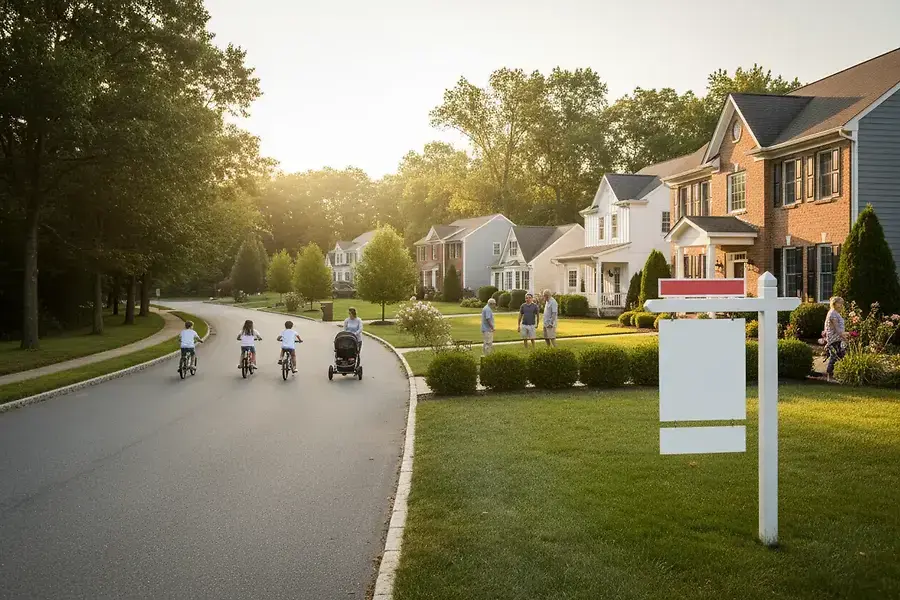
Understanding the Price Differences Across South Jersey Communities
South Jersey has become an increasingly attractive destination for homebuyers seeking suburban living with convenient access to Philadelphia and the Jersey Shore. However, the cost of purchasing a home varies significantly across different communities in the region. Understanding these price differences is crucial before making one of the largest financial decisions of your life.
Market Overview by Community
Cherry Hill stands as one of the most expensive markets in South Jersey, with median home prices reflecting its reputation for excellent schools and well-maintained neighborhoods. Moorestown follows closely, offering similar amenities and a comparable price point. Burlington and Voorhees present more moderate pricing options, while Camden offers the most affordable entry point for first-time homebuyers looking to establish themselves in the region.
The differences in property values aren't arbitrary—they reflect factors such as school district ratings, proximity to major employment centers, neighborhood amenities, and historical appreciation rates. A home in Cherry Hill might cost 30-40% more than a comparable property in Camden, despite being only a short drive away.
Property Taxes and Homeowner Costs by Location
The Tax Burden Reality
New Jersey is known for having some of the highest property taxes in the nation, and South Jersey is no exception. Property taxes should be a primary consideration when evaluating the true cost of homeownership in these communities.
- Cherry Hill: Average effective tax rates around 0.85-0.95% of home value, translating to substantial annual payments
- Moorestown: Similar tax burden to Cherry Hill, with rates between 0.80-0.90%
- Burlington: Slightly lower rates at approximately 0.75-0.85%
- Voorhees: Competitive rates around 0.70-0.80%
- Camden: Lower tax rates at 0.65-0.75%, reflecting lower property values
Additional Homeowner Expenses
Beyond the mortgage and property taxes, homeowners must budget for homeowners insurance, which varies by location and home characteristics. Insurance premiums in South Jersey typically range from $1,000 to $2,000 annually, depending on the property's age, condition, and location.
Utilities represent another significant ongoing expense. Heating costs during winter months can be substantial, with average annual heating bills ranging from $1,200 to $2,000 depending on home size and efficiency. Water and sewer services add another $100-150 monthly to your budget.
Hidden Expenses New Homeowners Should Budget For
Maintenance and Repairs
Many first-time homebuyers underestimate the costs associated with home maintenance and unexpected repairs. Financial experts recommend budgeting 1-2% of your home's purchase price annually for maintenance and repairs. For a $400,000 home, this means setting aside $4,000-8,000 per year.
Common expenses include:
- HVAC system maintenance and eventual replacement ($5,000-15,000)
- Roof repairs or replacement ($8,000-25,000)
- Plumbing and electrical updates ($2,000-10,000)
- Foundation issues or basement waterproofing ($3,000-20,000)
- Landscaping and yard maintenance ($1,000-3,000 annually)
HOA Fees and Community Assessments
Many South Jersey communities, particularly in Moorestown and Cherry Hill, feature homeowners associations. Monthly HOA fees typically range from $200 to $500, covering common area maintenance, community amenities, and administrative costs. Some communities also levy special assessments for major infrastructure projects, which can add thousands to your annual expenses.
Home Improvements and Updates
Older homes in South Jersey may require updates to meet modern standards. Kitchen renovations, bathroom upgrades, and energy-efficient window replacements can quickly add $20,000-50,000 or more to your initial investment. Budgeting for these improvements during your first few years of ownership is essential.
Making Your Investment Decision: Comparing Value and Long-Term Returns
Evaluating Cost Versus Value
The cheapest property isn't always the best investment. Consider the total cost of ownership, including property taxes, insurance, maintenance, and potential appreciation. A more expensive home in a highly-rated school district may appreciate faster and offer better long-term returns than a cheaper option in a declining neighborhood.
School Districts and Resale Value
School quality significantly impacts property values and resale potential. Cherry Hill and Moorestown consistently rank among New Jersey's top school districts, which justifies their higher prices. If you have children or plan to sell within 10 years, investing in a strong school district community may provide better long-term value.
Creating Your Budget
Before making your final decision, create a comprehensive budget that includes:
- Down payment and closing costs (3-6% of purchase price)
- Monthly mortgage payments
- Property taxes and insurance
- Utilities and maintenance reserves
- HOA fees (if applicable)
- Emergency fund for unexpected repairs
Remember that the lowest purchase price doesn't guarantee the lowest total cost of ownership. A thorough analysis of all expenses across different communities will help you make an informed decision that aligns with your financial goals and lifestyle preferences.
South Jersey offers diverse options for homebuyers at various price points. By understanding the true costs associated with each community—from property taxes to hidden expenses—you can make a confident investment decision that works for your family's future.