Suburban Living Trends in Greater Indianapolis: What Today's Buyers Want
Discover how preferences for commute times, school districts, and community amenities are reshaping the Indianapolis metro real estate market.

Introduction: The Evolving Suburban Buyer Profile in Indianapolis Metro
The suburban real estate landscape in the Indianapolis metropolitan area has undergone a significant transformation. Today's homebuyers are far more discerning than previous generations, prioritizing factors that extend well beyond square footage and curb appeal. The modern suburban buyer in Greater Indianapolis is seeking a lifestyle—one that balances professional ambitions, family needs, and personal wellness.
This shift reflects broader changes in how people work, raise families, and spend their leisure time. Remote work flexibility, school quality, walkable neighborhoods, and access to recreational amenities have become the cornerstones of suburban appeal. Understanding these evolving preferences is essential for sellers, real estate professionals, and developers looking to thrive in this competitive market.
Key Lifestyle Factors Driving Home Selection Across Fishers, Carmel, Noblesville, and Zionsville
Commute Times and Work-Life Balance
One of the most significant shifts in suburban buyer preferences is the emphasis on reasonable commute times. While remote work has changed the equation, many professionals still need to travel to downtown Indianapolis or other employment centers. Buyers are increasingly willing to pay a premium for homes that offer a 20-30 minute commute rather than settling for longer drives.
Communities like Fishers and Carmel have capitalized on this trend by developing strategic locations with easy access to major highways and employment hubs. The appeal isn't just about saving time—it's about reclaiming hours for family, fitness, and personal pursuits. Neighborhoods positioned along the I-465 corridor and near the Keystone Corridor have seen particularly strong demand.
School District Excellence
For families with children, school quality remains a top priority. The Indianapolis metro area boasts several highly-rated school districts that consistently rank among Indiana's best. Carmel Clay Schools, Fishers Community Schools, and Noblesville Schools are frequently cited as primary reasons families choose specific neighborhoods.
Buyers are conducting thorough research on test scores, graduation rates, extracurricular programs, and school culture before making purchasing decisions. This focus on education has created distinct value premiums in neighborhoods served by top-performing schools. Parents are viewing their home purchase as an investment in their children's future, making school district reputation a non-negotiable factor.
Flexibility and Lifestyle Preferences
The modern suburban buyer values flexibility. Whether it's the option to work from home occasionally, access to fitness facilities, or proximity to entertainment venues, today's homeowners want neighborhoods that support diverse lifestyles. This has led to increased demand for:
- Mixed-use developments combining residential, retail, and office spaces
- Communities with robust fiber optic internet infrastructure
- Neighborhoods featuring co-working spaces and business centers
- Properties with dedicated home office spaces or flex rooms
Neighborhood Amenities and Quality of Life That Attract Buyers to Areas Like Westfield, Avon, and Greenwood
Parks, Trails, and Outdoor Recreation
Access to quality parks and recreational trails has become a defining characteristic of desirable suburban neighborhoods. Communities like Westfield and Zionsville have invested heavily in trail systems, splash pads, and community parks that serve as gathering spaces and lifestyle amenities.
The Monon Trail, Towne Lake Trail, and various greenway systems throughout the metro area have become major selling points. Buyers are seeking neighborhoods where they can walk or bike to parks, schools, and local businesses. This emphasis on outdoor recreation reflects a broader wellness-focused mindset among suburban homebuyers.
Walkability and Mixed-Use Development
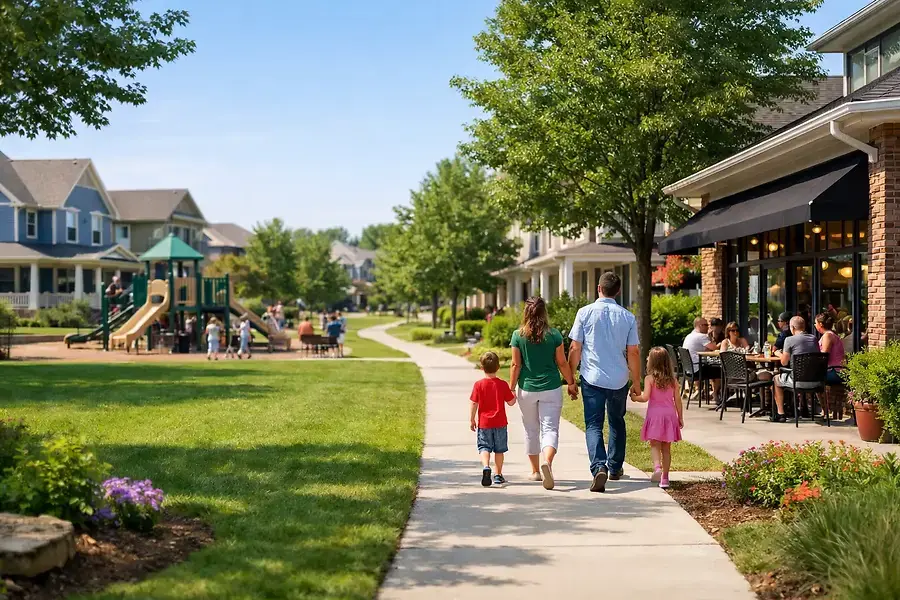
Gone are the days when suburban living meant complete car dependency. Today's buyers increasingly value walkable neighborhoods with local shops, restaurants, and services within reasonable distance. Avon and Greenwood have successfully developed town centers that provide this urban-suburban hybrid experience.
Developments featuring:
- Pedestrian-friendly street designs
- Local coffee shops and dining options
- Farmers markets and community events
- Mixed-income housing options
- Public gathering spaces and plazas
These elements create vibrant communities that appeal to younger families and empty nesters alike, expanding the demographic appeal of suburban neighborhoods.
Community Culture and Social Connection
Buyers are increasingly evaluating neighborhoods based on community culture and social opportunities. Strong homeowner associations, regular community events, and active neighborhood groups have become significant factors in home selection decisions.
Communities that foster connection through:
- Regular neighborhood events and festivals
- Active social media groups and communication channels
- Volunteer opportunities and community service initiatives
- Diverse demographic representation
- Family-friendly programming and activities
These neighborhoods report higher buyer satisfaction and stronger property value appreciation. The sense of belonging and community identity has become as important as the physical structure of the home itself.
Dining, Entertainment, and Cultural Amenities
The suburban buyer of today expects convenient access to quality dining and entertainment options. The proliferation of restaurants, breweries, and entertainment venues in areas like Carmel and Fishers has elevated expectations across the entire metro area.
Proximity to:
- Upscale and casual dining establishments
- Craft breweries and wine bars
- Movie theaters and performing arts venues
- Shopping and retail destinations
- Fitness centers and wellness facilities
These amenities reduce the need to travel downtown for entertainment and dining, making suburban living more appealing to those who previously viewed it as less sophisticated or culturally limited.
Conclusion: Positioning Your Property to Appeal to Today's Informed Suburban Buyers
The suburban real estate market in Greater Indianapolis has evolved dramatically. Today's buyers are informed, intentional, and willing to invest in properties that align with their lifestyle values. Success in this market requires understanding that a home is no longer just a structure—it's a gateway to a desired lifestyle.
Whether you're selling a property or developing a new community, the key is recognizing that location, school quality, commute accessibility, and neighborhood amenities are paramount. Buyers are evaluating entire ecosystems, not just individual homes.
Properties positioned in neighborhoods that offer excellent schools, reasonable commutes, vibrant community spaces, and quality-of-life amenities will continue to command premium prices and attract serious buyers. The Indianapolis metro area's most successful neighborhoods are those that have intentionally cultivated these elements, creating communities where people don't just live—they thrive.
As the market continues to evolve, staying attuned to these preferences will be essential for anyone involved in the suburban real estate landscape.


