Suburban Living Trends Shaping Philadelphia's Five-County Real Estate Market
Discover how residential preferences are shifting across Montgomery, Bucks, Delaware, and Philadelphia counties as buyers seek the perfect balance of community access and lifestyle.

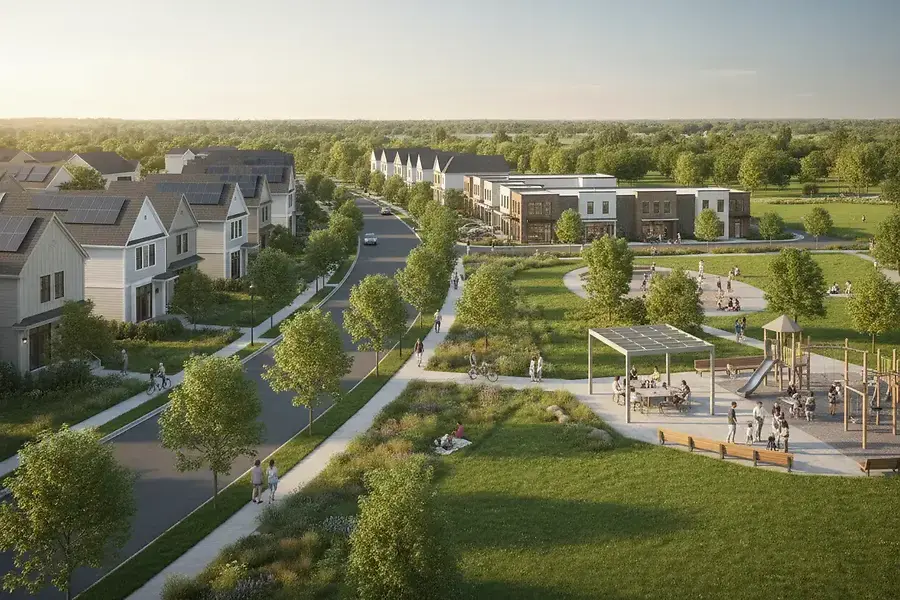
The Changing Face of Suburban Real Estate in Greater Philadelphia
The suburban real estate market in Greater Philadelphia is experiencing a remarkable transformation. Homebuyers are no longer simply seeking a quiet place to raise a family—they're demanding vibrant communities with walkable neighborhoods, excellent schools, and convenient access to urban amenities. This shift in preferences is reshaping how developers, agents, and investors approach residential properties across Philadelphia, Montgomery, Bucks, and Delaware counties.
The five-county region has become increasingly attractive to a diverse range of buyers, from young professionals seeking their first homes to established families looking to upgrade their lifestyle. What was once considered a straightforward suburban market has evolved into a sophisticated ecosystem where location, community character, and amenities play equally important roles in purchasing decisions.
Understanding Buyer Preferences Across Philadelphia, Montgomery, Bucks, and Delaware Counties
The Rise of Mixed-Use Communities
Today's suburban buyers are gravitating toward mixed-use developments that combine residential spaces with retail, dining, and entertainment options. Properties in areas like King of Prussia, Ardmore, and New Hope have seen increased demand as buyers appreciate the convenience of having shops, restaurants, and services within walking distance of their homes.
This trend reflects a broader shift away from car-dependent suburban living toward more pedestrian-friendly neighborhoods. Buyers are willing to pay premium prices for homes in communities where they can walk to coffee shops, grocery stores, and parks.
Proximity to Employment Centers
With remote work becoming increasingly common, the traditional commute-based home-buying decision has evolved. However, proximity to major employment centers in Philadelphia, along the Route 202 corridor, and near the airport remains a significant factor. Buyers value the flexibility of working from home while maintaining reasonable access to offices for in-person meetings and collaboration.
School Quality and Educational Opportunities
School districts continue to be a primary driver of residential real estate decisions. Families are researching not only academic performance but also extracurricular programs, special education services, and innovative learning environments. Districts in Montgomery County, particularly in areas like Radnor and Lower Merion, remain highly sought after, while emerging school systems in Bucks County are attracting growing attention.
Lifestyle and Recreation Access
Outdoor recreation has become a non-negotiable amenity for many buyers. Properties near:
- State parks and nature preserves
- Hiking and biking trails
- Golf courses and country clubs
- Community pools and fitness centers
- Waterfront access and recreational waterways
These features significantly influence property values and buyer satisfaction across all five counties.
Key Residential Amenities and Community Features Driving Market Growth
Smart Home Technology and Modern Infrastructure
Today's suburban buyers expect homes equipped with modern technology. Features such as smart thermostats, advanced security systems, high-speed internet connectivity, and energy-efficient appliances are no longer luxury additions—they're baseline expectations. Communities that invest in fiber-optic infrastructure and support smart home integration are gaining competitive advantages in the market.
Sustainability and Green Living
Environmental consciousness is reshaping suburban development. Buyers increasingly seek homes with:
- Energy-efficient construction and LEED certifications
- Solar panel installations
- Native landscaping and pollinator gardens
- Rainwater harvesting systems
- Electric vehicle charging stations
Developers who prioritize sustainability are finding strong market demand and the ability to command premium pricing.
Community Gathering Spaces
The pandemic accelerated interest in outdoor and semi-outdoor community spaces. Successful suburban developments now feature:
- Town squares and public gathering areas
- Farmers markets and community gardens
- Amphitheaters for concerts and events
- Playgrounds designed for multiple age groups
- Dog parks and pet-friendly amenities
These spaces foster neighborhood connections and enhance quality of life, making them valuable selling points for residential communities.
Diverse Housing Options
The suburban market is becoming more diverse in housing types. While single-family homes remain popular, there's growing demand for:
- Townhomes and attached residences
- Accessory dwelling units (ADUs)
- Age-restricted active adult communities
- Multigenerational housing designs
This diversity allows communities to accommodate different life stages and family structures, broadening market appeal.
Health and Wellness Amenities
Post-pandemic, health and wellness have become central to community planning. Developments now emphasize:
- Fitness centers and yoga studios
- Mental health resources and community counseling
- Walking and running trails
- Nutrition education programs
- Healthcare facility proximity
Communities that prioritize resident wellness are seeing stronger buyer interest and higher satisfaction rates.
Conclusion: Positioning Yourself as a Local Market Expert in Philadelphia's Expanding Suburbs
The suburban real estate market across Philadelphia, Montgomery, Bucks, and Delaware counties is more dynamic and sophisticated than ever before. Success in this market requires understanding the nuanced preferences of modern buyers who seek more than just a house—they're investing in a lifestyle and a community.
Real estate professionals who stay informed about emerging trends, understand local amenities, and can articulate the value of community features will thrive in this evolving market. Whether you're representing buyers seeking their ideal suburban home or helping developers create communities that meet contemporary expectations, knowledge of these trends is essential.
The future of suburban living in Greater Philadelphia belongs to communities that balance accessibility with tranquility, innovation with tradition, and growth with sustainability. By understanding and leveraging these trends, you can position yourself as a trusted expert in one of the region's most dynamic real estate markets.


