Suburban Living vs Urban Growth: Choosing Your Wake County Home
Discover how to evaluate lifestyle preferences and property values across Wake County's diverse residential communities from Raleigh to Wilson.

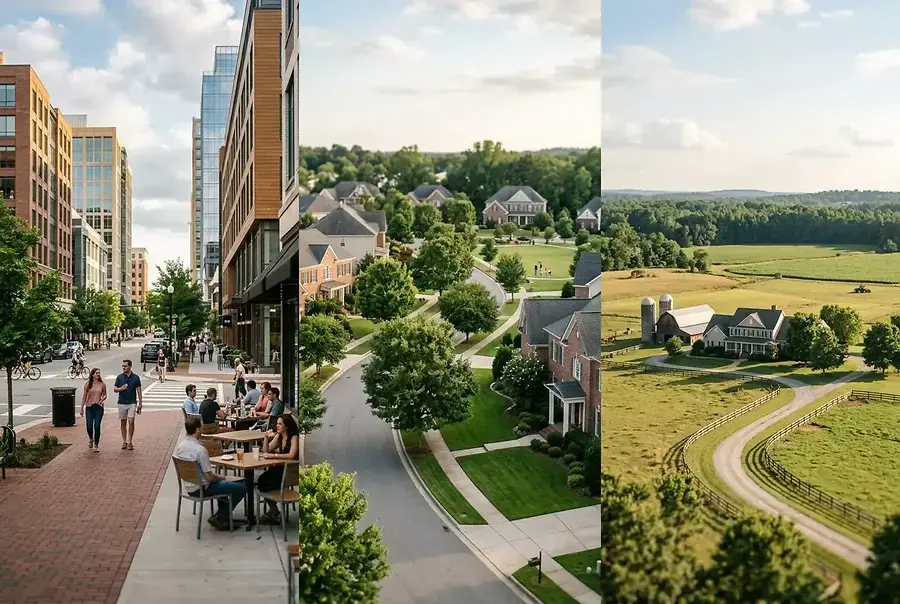
Understanding Wake County's Residential Landscape: From Urban Centers to Rural Communities
Wake County offers a remarkable spectrum of residential options that cater to virtually every lifestyle preference and budget. From the bustling urban core of Raleigh to the quieter, more rural communities toward Wilson, the county presents a diverse tapestry of neighborhoods, each with its own distinct character and appeal.
The residential landscape spans from high-density urban neighborhoods with walkable streets and modern apartments to sprawling suburban developments with spacious lots and family-friendly amenities. Understanding this diversity is the first step in making an informed decision about where to plant your roots in Wake County.
The Urban Core Experience
Raleigh's downtown and surrounding urban neighborhoods offer vibrant, walkable communities with easy access to restaurants, entertainment, and cultural attractions. These areas attract young professionals, empty nesters, and those seeking an active lifestyle without the need for a car.
Suburban Communities
The suburban ring surrounding Raleigh provides a balance between urban convenience and residential tranquility. Communities like Cary, Chapel Hill, and Durham offer excellent schools, shopping centers, and parks while maintaining a more relaxed pace of life.
Rural and Exurban Areas
Moving toward Wilson and the county's outer edges, you'll find more spacious properties, agricultural land, and a stronger sense of community. These areas appeal to those seeking privacy, larger lots, and a connection to nature.
Comparing Lifestyle Factors: Schools, Commute Times, and Community Amenities Across 16 Key Markets
When choosing a Wake County neighborhood, several lifestyle factors should influence your decision. These elements can significantly impact your daily quality of life and long-term satisfaction with your home.
School Quality and Educational Opportunities
Wake County Schools consistently rank among North Carolina's top-performing districts. However, individual school performance varies by neighborhood. Research specific schools in your target areas, as they can significantly impact property values and family life. Many suburban communities like Chapel Hill and Cary boast highly-rated schools that attract families with children.
Commute Times and Transportation
Your daily commute can dramatically affect quality of life. Urban neighborhoods offer shorter commutes and public transportation options, while suburban areas may require a car but offer easier highway access. Consider your workplace location and preferred commute method when evaluating neighborhoods.
- Urban Raleigh: Average commute 15-20 minutes, excellent public transit
- Suburban areas: Average commute 20-35 minutes, car-dependent
- Exurban communities: Average commute 35-50 minutes, primarily car-based
Community Amenities and Recreation
Wake County offers abundant recreational opportunities across all neighborhoods. Urban areas feature parks, gyms, and cultural venues within walking distance. Suburban communities typically offer excellent parks, pools, and community centers. Rural areas provide access to nature trails, golf courses, and outdoor recreation.
Property Values and Market Trends: Where You Get the Most Value for Your Investment
Understanding current market trends is essential for making a smart real estate investment. Wake County's property values have shown steady appreciation, but opportunities vary significantly by location.
Urban Market Dynamics
Downtown Raleigh and surrounding urban neighborhoods have experienced strong appreciation due to increased demand for walkable, urban living. While prices are higher, these areas offer excellent long-term investment potential and lifestyle benefits that justify the premium.
Suburban Value Propositions
Suburban communities like Cary, Chapel Hill, and Durham offer strong value with moderate price points. These areas balance affordability with excellent schools and amenities, making them attractive to families and investors alike. Many suburban neighborhoods are experiencing steady appreciation as demand for family-friendly communities remains strong.
Emerging Markets and Growth Areas
Communities toward Wilson and the county's outer regions offer the most affordable entry points. While prices are lower, these areas are experiencing growth as commuters seek more affordable housing. Early investors in these emerging markets may benefit from future appreciation as infrastructure and amenities develop.
Key Market Insights
- Urban core properties command premium prices but offer strong appreciation potential
- Suburban neighborhoods provide balanced value with stable appreciation
- Exurban areas offer affordability with emerging growth opportunities
- School quality remains the strongest driver of property values across all markets
- Proximity to employment centers significantly influences pricing
Finding Your Perfect Fit: A Framework for Selecting the Right Wake County Neighborhood for Your Family
Choosing the right neighborhood requires a systematic approach that balances your lifestyle preferences, financial goals, and family needs.
Step 1: Define Your Priorities
Begin by listing your non-negotiables. Do you need excellent schools? Is a short commute essential? Do you prefer walkability or space? Understanding your priorities helps narrow the field significantly.
Step 2: Evaluate Your Budget
Determine your realistic budget and explore neighborhoods within your price range. Remember that property values vary dramatically across Wake County, so you may find significantly more space in suburban or exurban areas compared to urban neighborhoods.
Step 3: Visit and Experience
Don't rely solely on online research. Visit neighborhoods at different times of day and on weekends. Walk the streets, visit local parks, and grab coffee at neighborhood cafes. This firsthand experience reveals the true character of a community.
Step 4: Research Future Development
Investigate planned developments, infrastructure projects, and zoning changes in your target areas. Understanding future growth can help you anticipate how neighborhoods will evolve and whether property values will appreciate.
Step 5: Connect with Current Residents
Talk to people who live in neighborhoods you're considering. They can provide invaluable insights about schools, community spirit, traffic patterns, and neighborhood challenges that you won't find online.
Making Your Decision
Wake County's diversity means there truly is a neighborhood for everyone. Whether you're drawn to the energy of urban Raleigh, the family-friendly appeal of suburban communities, or the spacious tranquility of exurban areas, taking time to evaluate your options will lead to a choice you'll be happy with for years to come.
The key is matching your lifestyle preferences with your financial goals and family needs. By following this framework and thoroughly researching your options, you'll find the Wake County neighborhood that feels like home.


