Suburban vs. Urban Living: Finding Your Ideal Home in Greater Seattle
Discover the lifestyle and investment benefits of choosing between Puget Sound region neighborhoods.

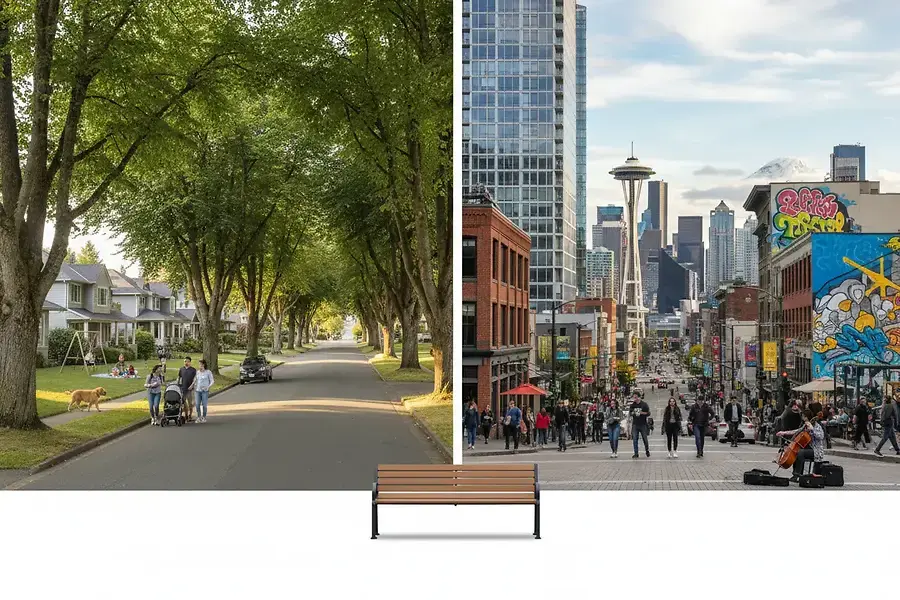
Understanding Your Living Preferences
Choosing between suburban and urban living is one of the most significant decisions you'll make when relocating to the Greater Seattle area. The Puget Sound region offers a diverse range of neighborhoods, each with distinct advantages and unique characteristics. Whether you're drawn to the vibrant energy of city centers or the peaceful tranquility of suburban communities, understanding your priorities is essential to finding your ideal home.
The decision between suburban and urban living extends beyond mere preference—it impacts your daily lifestyle, financial investment, and long-term satisfaction. Seattle's dynamic real estate market presents compelling options for both lifestyles, making it crucial to evaluate what matters most to you and your family.
Suburban Communities: Affordability, Space, and Family-Friendly Benefits
The Appeal of Suburban Living
Suburban communities throughout the Greater Seattle area have become increasingly attractive to families and professionals seeking a different pace of life. Towns like Sammamish, Issaquah, and Shoreline offer spacious homes, excellent schools, and a strong sense of community that urban centers often cannot replicate.
Key Advantages of Suburban Living
- Affordability: Suburban properties typically offer more square footage for your dollar compared to urban counterparts. You can find larger homes with yards, garages, and outdoor space at more reasonable price points.
- Space and Privacy: Suburban neighborhoods provide the breathing room many families desire, with larger lots and quieter streets ideal for raising children and enjoying outdoor activities.
- Family-Friendly Amenities: Top-rated schools, parks, recreational facilities, and community centers make suburbs perfect for families prioritizing education and youth activities.
- Parking and Convenience: Ample parking and car-friendly infrastructure mean less stress about transportation logistics in your daily life.
- Community Connection: Suburban areas foster tight-knit communities where neighbors know each other and local events strengthen social bonds.
Investment Considerations
From an investment perspective, suburban properties in the Puget Sound region have demonstrated steady appreciation. The demand for family-friendly neighborhoods continues to grow, making suburban real estate a solid long-term investment. Additionally, lower entry prices mean easier access to property ownership for first-time buyers.
Urban Centers: Walkability, Amenities, and Investment Potential
The Urban Lifestyle Experience
Seattle's urban neighborhoods—including Capitol Hill, Ballard, and Downtown—offer a completely different living experience. These vibrant communities attract young professionals, entrepreneurs, and anyone seeking cultural richness and convenience at their doorstep.
Key Advantages of Urban Living
- Walkability: Urban neighborhoods are designed for pedestrians, allowing you to access restaurants, shops, entertainment, and services without a car. This lifestyle promotes health, sustainability, and social engagement.
- Cultural Amenities: Museums, theaters, galleries, live music venues, and diverse dining options create an enriching cultural landscape unavailable in most suburban areas.
- Public Transportation: Robust transit systems reduce dependence on personal vehicles, saving money and reducing environmental impact while providing convenient commuting options.
- Diverse Communities: Urban centers attract people from around the world, creating multicultural neighborhoods with diverse perspectives, cuisines, and traditions.
- Career Opportunities: Proximity to major employers and business hubs can enhance career growth and networking opportunities for professionals.
Investment Potential
Urban real estate in Seattle has shown exceptional appreciation potential. As the city continues to develop and attract talent, properties in walkable neighborhoods command premium prices. While entry costs are higher, the investment returns and lifestyle benefits often justify the expense for those prioritizing urban convenience and cultural engagement.
Urban properties also attract renters, making them excellent for investors seeking rental income. The strong demand for urban living in Seattle ensures consistent tenant interest and competitive rental rates.
Making Your Decision: Key Factors to Consider
Lifestyle Priorities
Begin by honestly assessing your daily habits and preferences. Do you enjoy walking to restaurants and entertainment venues, or do you prefer quiet evenings at home? Are you an active parent seeking excellent schools, or a young professional wanting nightlife and cultural events? Your lifestyle should drive your location choice.
Financial Considerations
Evaluate your budget comprehensively, including purchase price, property taxes, utilities, and transportation costs. Suburban homes may cost less upfront but require vehicle expenses, while urban apartments may have higher rent but lower transportation costs. Calculate your true cost of living in each scenario.
Career and Commute
Consider your workplace location and commute preferences. Urban living near your employer can save hours weekly, while suburban living might require longer commutes but offer better work-life balance through reduced stress and more personal space.
Future Plans
Think about your five-to-ten-year plans. Are you planning to start a family? Expecting career changes? Considering relocation? Your future aspirations should influence your current housing choice, as moving costs and market timing significantly impact investment returns.
Finding Your Perfect Seattle Area Home
The Greater Seattle area's real estate market offers exceptional opportunities for both suburban and urban living. Neither option is universally superior—the best choice depends entirely on your individual circumstances, preferences, and goals.
Suburban communities excel for families seeking affordability, space, and community connection, while urban neighborhoods thrive for those prioritizing walkability, cultural engagement, and investment potential.
Take time to explore different neighborhoods, visit at various times of day, and imagine yourself living there. Talk to current residents about their experiences. Research school ratings, crime statistics, and future development plans. By thoroughly evaluating your options, you'll make an informed decision that aligns with your vision for the perfect Seattle-area home.
Whether you choose the peaceful streets of a suburban community or the vibrant energy of an urban center, the Puget Sound region offers exceptional living opportunities. Your ideal home awaits—you just need to determine which lifestyle suits you best.


