Suburban vs. Urban Living in the Triangle: Finding Your Perfect Fit
Discover how Durham, Chapel Hill, Cary, and surrounding areas offer distinct lifestyle advantages for different homebuyers.

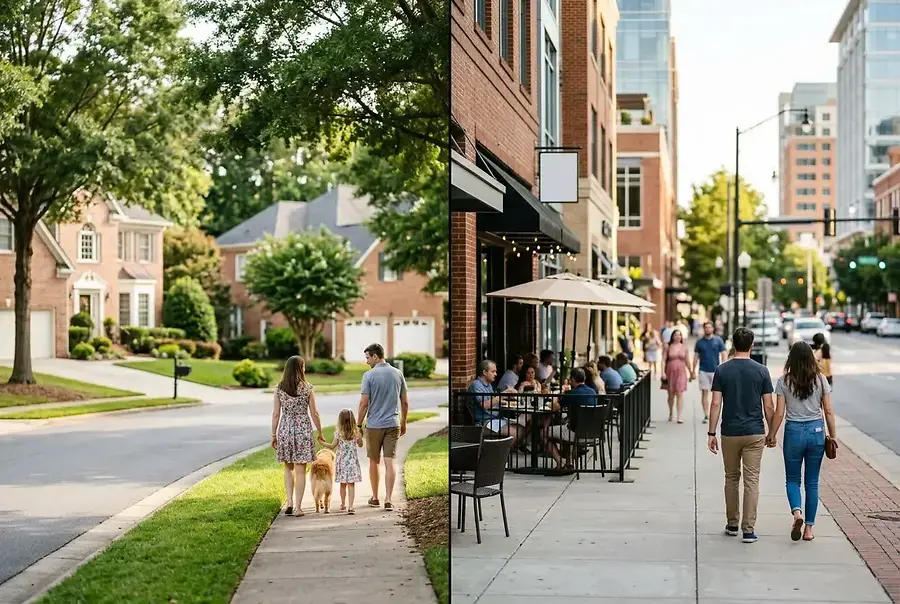
Introduction: The Triangle's Diverse Living Options
The Research Triangle region—encompassing Durham, Chapel Hill, Raleigh, Cary, and surrounding communities—has become one of the most desirable places to live on the East Coast. Whether you're a young professional seeking urban energy, a growing family wanting suburban comfort, or someone looking for the perfect balance between both worlds, the Triangle offers something for everyone. The region's booming tech industry, world-class universities, and thriving cultural scene have attracted thousands of new residents in recent years, each seeking their own version of the ideal lifestyle.
The key to finding your perfect fit in the Triangle isn't about choosing between good and bad options—it's about understanding your priorities and matching them with the right community. Let's explore what suburban and urban living have to offer in this dynamic region.
Suburban Communities: Family-Friendly Neighborhoods with Growing Amenities
The Appeal of Suburban Living
Suburban communities throughout the Triangle have experienced remarkable growth and transformation. Areas like Cary, Chapel Hill's surrounding neighborhoods, and Durham's outlying districts offer spacious homes, excellent schools, and a strong sense of community that appeals to families and those seeking a quieter lifestyle.
Key advantages of suburban living in the Triangle include:
- Affordable Housing: Compared to urban centers, suburban areas typically offer more square footage for your investment, with newer construction and modern amenities.
- Top-Rated Schools: Many suburban districts consistently rank among the best in North Carolina, making them ideal for families prioritizing education.
- Safe, Established Communities: Suburban neighborhoods often feature lower crime rates and strong neighborhood associations that foster community engagement.
- Parks and Recreation: Extensive greenways, parks, and recreational facilities provide outdoor activities for all ages.
- Convenience: Shopping centers, restaurants, and services are easily accessible by car, with minimal traffic congestion.
Growing Urban Amenities in Suburban Areas
What makes the Triangle's suburbs particularly attractive is their evolution beyond traditional suburban stereotypes. Many suburban communities now feature town centers with walkable shopping districts, craft breweries, farm-to-table restaurants, and entertainment venues. Cary's downtown area and the growing commercial districts in Chapel Hill's suburbs demonstrate how suburban living no longer means sacrificing cultural experiences or dining variety.
Additionally, the strong job market in tech, healthcare, and research means many suburban residents can work locally, reducing commute times and improving quality of life. Companies like IBM, Cisco, and countless startups have established offices throughout suburban areas, making the traditional "commute to the city" less necessary.
Urban Centers: Walkable Neighborhoods with Cultural and Professional Appeal
The Vibrant Urban Experience
Durham and Chapel Hill's urban cores offer a distinctly different lifestyle centered on walkability, cultural vibrancy, and professional opportunity. These neighborhoods attract young professionals, entrepreneurs, artists, and anyone seeking an active, engaged community lifestyle.
The primary benefits of urban living in the Triangle include:
- Walkability: Urban neighborhoods allow you to accomplish daily tasks on foot or by bike, reducing car dependency and promoting a healthier lifestyle.
- Cultural Attractions: Museums, theaters, galleries, live music venues, and festivals create a rich cultural landscape throughout the year.
- Diverse Dining and Entertainment: From food trucks to fine dining, urban areas offer unparalleled culinary diversity and nightlife options.
- Professional Networking: Urban centers serve as hubs for innovation, entrepreneurship, and professional development across multiple industries.
- Public Transportation: Growing transit options reduce reliance on personal vehicles and make commuting more convenient.
- Diverse Communities: Urban neighborhoods typically feature greater ethnic, cultural, and socioeconomic diversity, enriching the community experience.
The Urban Lifestyle Trade-offs
Urban living in the Triangle does come with considerations. Housing costs are generally higher, and you'll have less square footage for your investment. Parking can be challenging, and noise levels are typically higher than suburban areas. However, many urban residents find these trade-offs worthwhile for the convenience, energy, and opportunities their neighborhoods provide.
Durham's revitalized downtown district and Chapel Hill's vibrant Franklin Street corridor exemplify how the Triangle's urban centers continue to invest in making city living increasingly attractive. New residential developments, improved public spaces, and ongoing cultural initiatives make these areas particularly appealing to those who thrive in dynamic, walkable environments.
Conclusion: Matching Your Lifestyle to the Right Triangle Community
Choosing between suburban and urban living in the Triangle ultimately depends on your personal priorities and life stage. Consider these questions:
- Family Status: Are you raising children? Suburban areas often provide more space and school options, while urban areas appeal to young professionals and empty nesters.
- Work Commute: Where will you work? The Triangle's distributed job market means you may find excellent opportunities in either setting.
- Lifestyle Preferences: Do you prefer quiet evenings at home or active nights out? Your answer likely points toward suburban or urban living.
- Financial Priorities: Are you maximizing space or minimizing costs? Both suburban and urban options exist at various price points.
- Community Engagement: Do you want a tight-knit neighborhood community or a diverse, constantly changing urban environment?
The beauty of the Triangle is that you don't have to choose between opportunity and quality of life. Whether you select a family-friendly suburban neighborhood or a vibrant urban community, you'll find excellent schools, strong job markets, cultural amenities, and a welcoming community. The region's continued growth and investment ensure that both suburban and urban areas will continue evolving to meet residents' needs.
Take time to explore different neighborhoods, visit at different times of day, and imagine your daily life in each setting. The perfect Triangle community is waiting for you—whether it's nestled in a quiet suburban cul-de-sac or thriving on a bustling urban street.


