Succeeding in Morgantown's Residential and Commercial Real Estate Markets
Master the strategies needed to succeed in both property investment sectors.

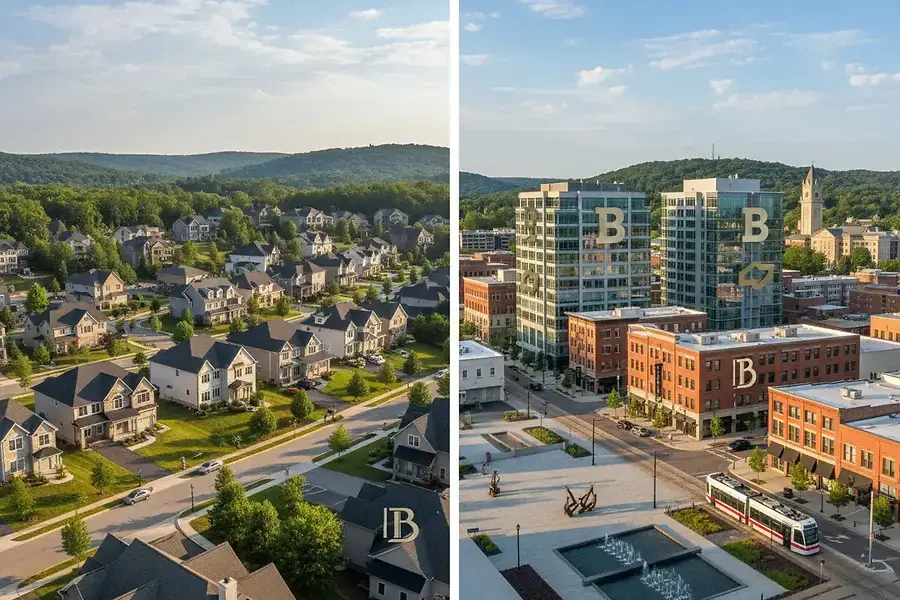
Understanding Morgantown's Residential and Commercial Market Dynamics
Morgantown's real estate market presents a unique blend of opportunities for investors and professionals looking to expand their portfolios. The city's economy, driven largely by West Virginia University and diverse industries, creates distinct dynamics in both residential and commercial sectors. Understanding these market forces is essential for anyone seeking to build a successful real estate career.
The residential market in Morgantown benefits from a steady influx of students, faculty, and professionals relocating to the area. This consistent demand creates a stable foundation for property investments, with rental properties and single-family homes remaining attractive options. Meanwhile, the commercial sector thrives on the need for office spaces, retail locations, and service-oriented businesses that support the growing population.
Market Trends and Growth Factors
Several factors contribute to Morgantown's real estate growth. The presence of a major university ensures a young, educated demographic that fuels demand for rental properties. Additionally, the city's revitalization efforts and infrastructure improvements have attracted new businesses and entrepreneurs, strengthening the commercial real estate sector.
Local economic development initiatives continue to create opportunities for both sectors. Understanding these trends allows professionals to identify emerging neighborhoods and commercial districts with high growth potential.
Key Differences Between Buying and Selling Residential vs. Commercial Properties
While both residential and commercial real estate involve buying and selling property, the processes differ significantly in complexity, financing, and strategy.
Residential Properties: Accessibility and Simplicity
Residential properties appeal to a broader audience and typically involve simpler transactions. Key characteristics include:
- Financing: More accessible loan options with lower down payments and favorable terms for individual buyers
- Market Timeline: Faster sales cycles, typically ranging from 30 to 60 days
- Buyer Pool: Larger audience including first-time homebuyers, families, and investors
- Valuation: Based primarily on comparable sales, location, and property condition
- Inspection Process: Standard home inspections and appraisals are customary
Commercial Properties: Complexity and Higher Stakes
Commercial real estate transactions demand greater expertise and involve more intricate considerations:
- Financing: Stricter lending requirements, higher down payments (typically 20-30%), and more rigorous underwriting
- Market Timeline: Longer sales cycles, often taking 90 days or more
- Buyer Pool: Limited to experienced investors, corporations, and institutional buyers
- Valuation: Based on income potential, cap rates, and cash flow analysis
- Due Diligence: Extensive tenant reviews, lease analysis, and environmental assessments
Strategic Approach Differences
Successful residential professionals focus on marketing appeal, neighborhood trends, and buyer emotions. Commercial professionals, conversely, emphasize financial metrics, tenant stability, and long-term income potential. Mastering both requires developing distinct skill sets and understanding different client motivations.
Investment Opportunities and ROI Potential in Both Sectors
Morgantown offers compelling investment opportunities in both residential and commercial real estate, each with distinct advantages and return potential.
Residential Investment Opportunities
Rental Properties: With a large student population and young professionals, single-family homes and multi-unit properties generate consistent rental income. Properties near campus or in walkable neighborhoods command premium rental rates.
Fix-and-Flip Projects: Morgantown's revitalization efforts create opportunities to purchase undervalued properties, renovate them, and sell for profit. Neighborhoods undergoing development offer particularly attractive margins.
ROI Potential: Residential properties typically offer 6-12% annual returns through rental income, with additional appreciation potential. The lower entry costs make residential investing accessible to newer professionals.
Commercial Investment Opportunities
Office Spaces: Growing demand from tech companies and professional services creates opportunities for office property investments. Long-term leases with established tenants provide stable, predictable income.
Retail and Mixed-Use Properties: Downtown revitalization and shopping district development attract retailers and service providers. Mixed-use properties combining residential and commercial space offer diversified income streams.
ROI Potential: Commercial properties often deliver 8-15% annual returns through cap rates and appreciation. While requiring larger initial investments, they provide greater income stability and professional tenant relationships.
Building a Diversified Portfolio
The most successful real estate professionals develop expertise in both sectors, allowing them to build diversified portfolios that weather market fluctuations. A balanced approach combining residential rental income with commercial property appreciation creates multiple revenue streams and reduces risk exposure.
"Versatility in real estate is not just an advantage—it's a necessity for long-term success. Professionals who understand both markets can identify opportunities others miss and provide comprehensive solutions to diverse clients."
Conclusion: Positioning Yourself as a Versatile Real Estate Professional
Success in Morgantown's real estate market requires more than surface-level knowledge. Professionals who master both residential and commercial sectors position themselves as trusted advisors capable of serving diverse clients and identifying opportunities across the entire market spectrum.
To achieve this versatility, focus on:
- Developing deep knowledge of local market dynamics in both sectors
- Building networks within residential and commercial communities
- Staying informed about financing options and investment strategies for each sector
- Understanding the unique motivations and concerns of different buyer types
- Continuously educating yourself on market trends and economic factors
Morgantown's growing economy and diverse real estate landscape offer unprecedented opportunities for professionals willing to develop comprehensive expertise. By mastering both residential and commercial markets, you'll unlock greater earning potential, build stronger client relationships, and establish yourself as an indispensable resource in the community. The time to develop this versatility is now—position yourself for success in both sectors and watch your real estate career flourish.


