Suwanee Home Inspection Essentials: What Buyers Need to Know
Discover the critical inspection checklist every Suwanee homebuyer should review before closing on their property.

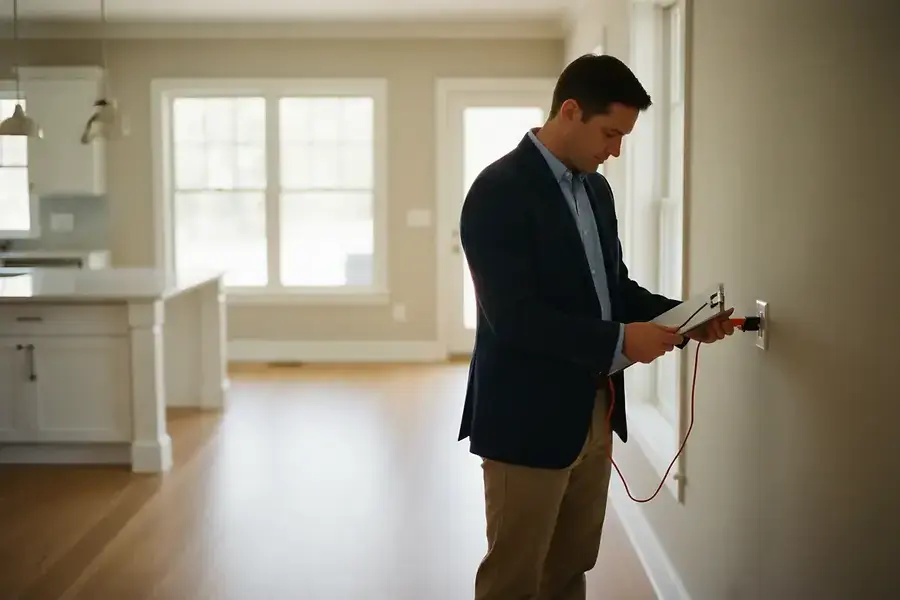
Understanding the Home Inspection Process in Suwanee
A home inspection is one of the most critical steps in the homebuying process. In Suwanee, this typically involves hiring a licensed professional inspector to evaluate the property's condition before you finalize your purchase. The inspection usually takes two to three hours and covers all major systems and components of the home.
During the inspection, you have the right to be present and ask questions. This is your opportunity to learn about the property's condition directly from an expert. The inspector will document their findings in a detailed report that becomes crucial for your decision-making process.
What to Expect During Your Inspection
The inspector will systematically go through the property, examining both visible and accessible areas. They'll test systems, open cabinets, and check for signs of damage or wear. It's important to understand that home inspections are non-invasive, meaning inspectors won't tear into walls or remove fixtures to investigate further.
Most inspections in Suwanee follow the American Society of Home Inspectors (ASHI) standards, ensuring consistency and professionalism across the industry. Your inspector should provide clear communication throughout the process and answer any questions you have.
Key Areas Inspectors Examine in Local Homes
Structural Components
Inspectors carefully evaluate the foundation, walls, and overall structural integrity of the home. In Suwanee, where soil conditions and weather patterns are specific to the region, foundation issues can be particularly important to identify early. Look for signs of settling, cracks, or water intrusion in your inspection report.
Roofing and Exterior
The roof is one of the most expensive components to replace. Inspectors will assess:
- Shingle condition and remaining lifespan
- Flashing around chimneys and vents
- Gutters and downspouts
- Exterior siding and paint condition
- Windows and doors functionality
Plumbing Systems
Your inspector will check water pressure, drainage, and the condition of visible pipes. Pay special attention to any reports of slow drains or water pressure issues, as these can indicate underlying problems. They'll also inspect the water heater and its age, which is important since these units typically last 8-12 years.
Electrical Systems
The electrical panel, outlets, and visible wiring are examined for safety and code compliance. Outdated systems or improper installations can be safety hazards and may require upgrades. This is especially important in older Suwanee homes that may have outdated electrical infrastructure.
HVAC Systems
Heating and cooling systems are tested for proper operation. The inspector will note the age of the equipment and any signs of malfunction. A well-maintained HVAC system is crucial for comfort and energy efficiency.
Insulation and Ventilation
Proper insulation and ventilation affect energy costs and prevent moisture problems. Inspectors check attic insulation levels and ensure adequate ventilation to prevent mold and moisture damage.
How to Interpret Your Inspection Report and Address Issues
Understanding the Report Format
Most inspection reports categorize findings into three levels: major issues, minor issues, and maintenance recommendations. Major issues require immediate attention and can significantly impact your decision. Minor issues are less urgent but should be addressed eventually. Maintenance recommendations are suggestions for upkeep.
Prioritizing Issues
Not every finding requires negotiation or repair. Consider:
- Safety concerns – These should always be addressed before closing
- Structural issues – Foundation or framing problems need professional evaluation
- System failures – Non-functional HVAC, plumbing, or electrical systems require immediate attention
- Cosmetic issues – Minor paint, flooring, or aesthetic concerns may be acceptable
Negotiation Strategies
Once you have your inspection report, you have several options:
- Request the seller make repairs before closing
- Ask for a credit toward repairs you'll handle yourself
- Negotiate a lower purchase price to account for needed repairs
- Accept the property as-is if issues are minor or manageable
Remember: You're not obligated to proceed with the purchase if significant issues are discovered. Your inspection contingency protects your interests during this critical phase.
Protecting Your Investment: Next Steps After Inspection
Getting Second Opinions
For major issues identified in your inspection, consider hiring specialists. A structural engineer can evaluate foundation concerns, while a licensed electrician or plumber can provide detailed assessments of their respective systems. These expert opinions strengthen your negotiating position.
Creating a Maintenance Plan
After closing, develop a maintenance schedule based on your inspection findings. Address any deferred maintenance items promptly to prevent small problems from becoming expensive repairs. Regular maintenance is the best way to protect your investment long-term.
Keeping Documentation
Save your inspection report and all related documents. These records are valuable for:
- Future home sales and disclosures
- Insurance claims
- Warranty claims on systems
- Tracking maintenance history
Building Your Support Team
Establish relationships with qualified contractors in Suwanee before you need them. Having trusted professionals for plumbing, electrical, HVAC, and general repairs ensures you can address issues quickly and affordably when they arise.
A thorough home inspection is your best defense against costly surprises after purchase. By understanding the inspection process, knowing what to look for, and taking appropriate action on findings, you'll make a confident, informed decision about your Suwanee home purchase.