Tampa Home Inspections: Essential Buyer's Guide to Property Evaluations
Discover the critical inspection checklist that protects your investment and prevents costly surprises in Tampa's residential market.

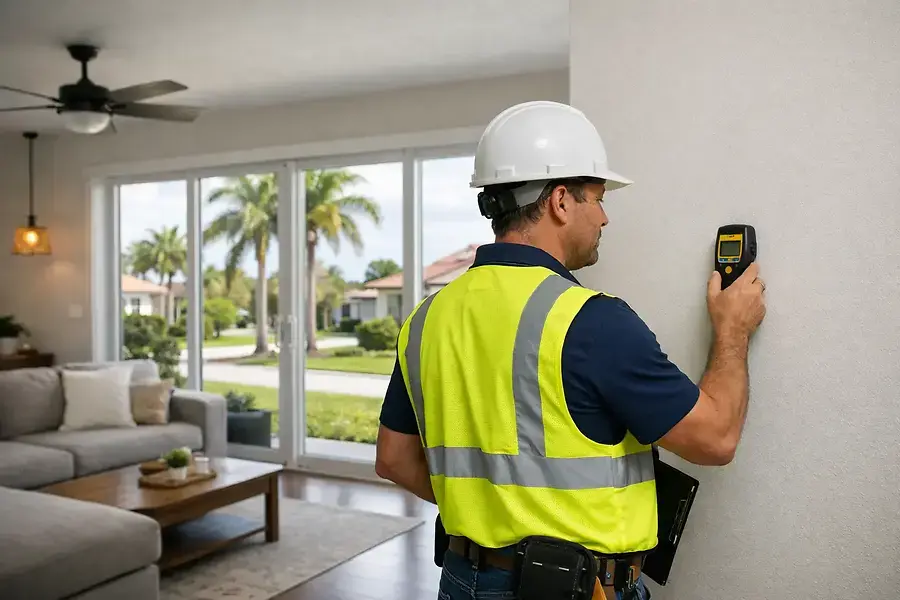
Why Home Inspections Matter in Tampa
Purchasing a home is one of the most significant financial decisions you'll make in your lifetime. In Tampa's competitive real estate market, a professional home inspection serves as your safeguard against hidden defects and costly repairs. A thorough inspection provides you with detailed knowledge about the property's condition before you commit to the purchase.
Home inspections are particularly crucial in Florida, where properties face unique environmental challenges including humidity, salt air corrosion, and hurricane-related wear. An experienced inspector can identify issues that might not be visible to the untrained eye, potentially saving you thousands of dollars in unexpected repairs.
A professional home inspection is not just a formality—it's an investment in your peace of mind and financial security. It gives you the leverage to negotiate repairs or price adjustments before closing the deal.
Key Areas Inspectors Evaluate in Florida Homes
Structural Components
Inspectors begin by examining the foundation, walls, and overall structural integrity of the home. In Tampa, inspectors pay special attention to:
- Foundation cracks or settling issues
- Water damage or moisture intrusion
- Roof condition and potential leaks
- Wall framing and structural stability
Roofing Systems
The roof is your home's first line of defense against Florida's intense weather. Inspectors evaluate:
- Shingle condition and age
- Flashing integrity around chimneys and vents
- Proper drainage and gutter systems
- Signs of previous repairs or patches
Plumbing and Water Systems
Water-related issues are among the most expensive problems homeowners face. Inspectors check:
- Water pressure and flow rates
- Pipe material and condition (galvanized, copper, PVC)
- Water heater age and functionality
- Drainage systems and septic conditions
- Evidence of leaks or water damage
Electrical Systems
A safe electrical system is non-negotiable. Professional inspectors examine:
- Panel capacity and breaker conditions
- Outlet and switch functionality
- Grounding and bonding systems
- Outdated wiring that may pose fire hazards
HVAC and Climate Control
In Tampa's warm climate, air conditioning systems work overtime. Inspectors assess:
- Air conditioning unit age and efficiency
- Heating system functionality
- Ductwork condition and insulation
- Thermostat operation
Interior and Exterior Elements
Inspectors also evaluate:
- Windows and doors for proper sealing
- Insulation levels in attic and walls
- Interior walls and ceilings for damage
- Exterior siding, paint, and weatherproofing
- Decks, patios, and outdoor structures
Common Issues Found in Tampa Area Properties
Moisture and Mold Problems
Moisture intrusion is the most prevalent issue in Tampa homes. The combination of humidity, heavy rainfall, and coastal proximity creates ideal conditions for mold growth. Inspectors look for:
- Visible mold or mildew in bathrooms and basements
- Water stains on ceilings and walls
- Musty odors indicating hidden moisture
- Inadequate ventilation in wet areas
Roof Damage and Deterioration
Tampa's weather patterns—intense sun, heavy rains, and occasional hurricanes—take a toll on roofing materials. Common findings include:
- Curled or missing shingles
- Granule loss indicating age
- Improper installation or repairs
- Inadequate hurricane straps or fastening
Outdated Plumbing
Many older Tampa homes contain galvanized pipes that corrode over time, reducing water pressure and quality. Inspectors frequently recommend replacement of aging plumbing systems to prevent future failures.
Electrical Code Violations
Older properties may have outdated electrical systems that don't meet current safety codes. Double-tapped breakers, insufficient grounding, and inadequate panel capacity are common issues that require professional remediation.
Air Conditioning Inefficiency
Many homes have aging AC units that consume excessive energy. Inspectors note the age and condition of cooling systems, as replacement costs can be substantial in Florida's climate.
Foundation and Structural Concerns
Florida's sandy soil and high water table can lead to foundation settling or cracking. While minor cracks are normal, significant structural issues require professional engineering evaluation.
Making Informed Decisions with Inspection Reports
Understanding Your Inspection Report
A comprehensive inspection report details every system and component evaluated. Reports typically categorize findings as:
- Safety Issues: Problems that pose immediate danger
- Major Repairs: Significant defects requiring professional attention
- Minor Issues: Small problems that should be addressed eventually
- Maintenance Recommendations: Preventive care suggestions
Negotiating Based on Inspection Findings
Armed with inspection results, you have several options:
- Request the seller make repairs before closing
- Negotiate a price reduction to cover repair costs
- Ask for a credit at closing for specific issues
- Walk away if major problems exceed your comfort level
The inspection period is your opportunity to make an informed decision without obligation. Use this time wisely to understand what you're purchasing.
Planning for Future Maintenance
Even if the home passes inspection, use the report as a maintenance roadmap. Understanding the age and condition of major systems helps you budget for future replacements and preventive care.
A thorough home inspection is your most valuable tool in the home-buying process. It provides the information needed to make confident decisions and protects your investment in Tampa's real estate market. Whether you're a first-time buyer or an experienced investor, prioritizing a professional inspection ensures you're making an informed purchase decision backed by expert analysis.


