Tampa Home Inspections: Essential Buyer's Guide to Protecting Your Investment
Discover the critical inspection points that protect your investment and prevent costly surprises in Tampa's residential market.

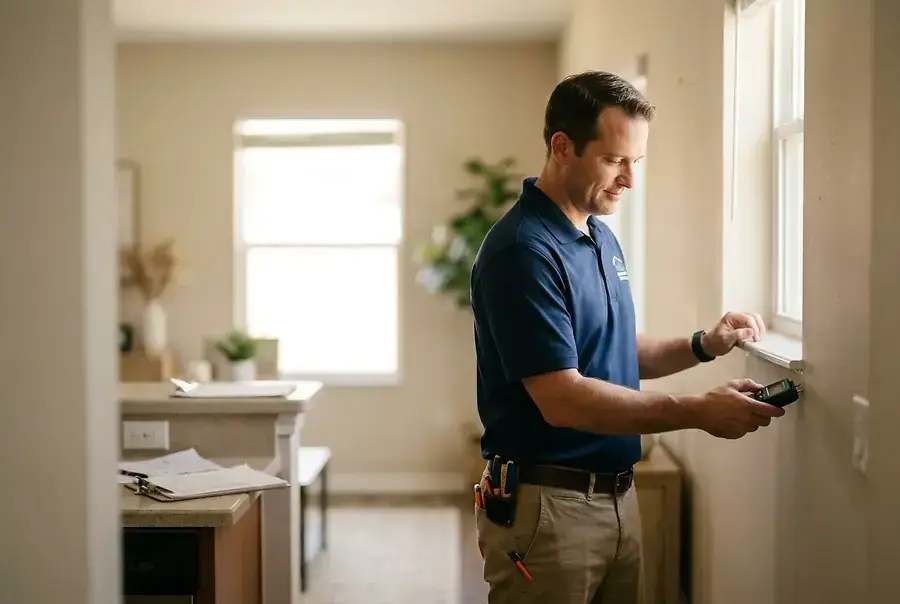
Understanding the Tampa Home Inspection Process
A home inspection is one of the most important steps in the home-buying process, serving as your opportunity to uncover potential issues before finalizing your purchase. In Tampa's competitive real estate market, understanding what to expect from a professional inspection can save you thousands of dollars in unexpected repairs.
A typical home inspection in Tampa takes between two to four hours, depending on the property's size and age. During this time, a licensed inspector will systematically examine the home's major systems and components. The inspection report provides a detailed assessment of the property's condition, helping you make an informed decision about your investment.
What to Expect During the Inspection
Most home inspectors in Tampa follow a standardized process that covers both interior and exterior elements. You have the right to be present during the inspection, and many experts recommend attending to ask questions and understand the findings firsthand. The inspector will document their observations with photographs and detailed notes, which become part of your official inspection report.
The cost of a home inspection in Tampa typically ranges from $300 to $500, depending on the home's size and complexity. This investment is invaluable when considering the potential cost of undiscovered issues.
Key Areas Inspectors Examine in Florida Homes
Roof and Attic
Tampa's climate presents unique challenges for roofing systems. Inspectors examine:
- Shingle condition and signs of deterioration
- Flashing integrity around chimneys and vents
- Proper ventilation and insulation in the attic
- Evidence of leaks or water damage
- Age and remaining lifespan of the roof
The roof is critical in Florida, where hurricane-force winds and heavy rainfall are common concerns. A compromised roof can lead to extensive water damage throughout the home.
Plumbing and Water Systems
Florida's unique soil composition and water conditions make plumbing inspections particularly important. Inspectors check:
- Water pressure and flow rates
- Pipe material and condition (galvanized, copper, or PVC)
- Presence of corrosion or leaks
- Water heater functionality and age
- Drainage systems and septic conditions
Older homes in Tampa may have outdated plumbing that requires replacement, which can be a significant expense.
Electrical Systems
A thorough electrical inspection ensures safety and compliance with current codes. Inspectors evaluate:
- Panel capacity and breaker conditions
- Grounding and bonding systems
- Outlet and switch functionality
- Presence of outdated wiring (knob-and-tube or aluminum)
- GFCI protection in wet areas
HVAC Systems
Tampa's heat and humidity make air conditioning systems essential. Inspectors assess:
- Cooling and heating efficiency
- Age and maintenance history of units
- Ductwork condition and sealing
- Thermostat functionality
- Refrigerant levels
Foundation and Structural Elements
Florida's sandy soil and high water table create unique foundation challenges. Inspectors look for:
- Cracks in concrete or block foundations
- Signs of settling or shifting
- Water intrusion or moisture issues
- Proper grading and drainage around the foundation
- Structural integrity of support beams
Exterior and Weather Protection
Given Tampa's exposure to hurricanes and tropical storms, exterior protection is paramount. Inspectors examine:
- Siding condition and water resistance
- Window and door seals
- Gutter and downspout functionality
- Deck and patio structural integrity
- Landscaping and grading for proper water drainage
Red Flags and How to Respond to Inspection Findings
Understanding Severity Levels
Not all inspection findings require immediate action. Professional inspectors typically categorize issues by severity: safety concerns, major repairs needed, and minor maintenance items.
Common Red Flags in Tampa Properties
Safety Issues that require immediate attention include:
- Electrical hazards or code violations
- Structural damage or foundation problems
- Mold or severe water damage
- Faulty HVAC systems in extreme heat
Major Repairs that significantly impact value include:
- Roof replacement needs
- Foundation repairs
- Plumbing system overhauls
- Electrical panel upgrades
Negotiation Strategies
Once you receive your inspection report, you have several options:
- Request repairs: Ask the seller to fix critical issues before closing
- Request credits: Negotiate a reduction in purchase price to cover repairs yourself
- Request inspections: Hire specialists for major concerns to get detailed estimates
- Walk away: If issues are too extensive, you may choose to withdraw from the purchase
Pro Tip: Always get written estimates from licensed contractors for major repairs. This gives you concrete numbers for negotiations and helps you understand the true cost of addressing inspection findings.
When to Hire Specialists
If the general inspection reveals potential issues with specific systems, consider hiring specialists:
- Structural engineers for foundation concerns
- Mold inspectors for water damage or musty odors
- Pest inspectors for termite or pest damage
- Roof specialists for detailed roofing assessments
Conclusion: Making Informed Decisions with Inspection Results
A comprehensive home inspection is your best defense against costly surprises after purchase. In Tampa's unique climate and real estate environment, understanding what inspectors look for and how to respond to their findings empowers you to make confident decisions about your investment.
Remember that no home is perfect, and inspection reports often reveal minor issues that are normal for properties of any age. The key is distinguishing between routine maintenance and serious concerns that could affect your safety, comfort, or the home's value.
By taking the inspection process seriously, asking questions, and negotiating thoughtfully based on findings, you protect your investment and ensure that your new Tampa home is a sound financial decision for years to come.