The Atlanta Home Inspection Checklist: What Buyers Must Know
Protect your investment by understanding the critical inspection items that can make or break your Atlanta home purchase.

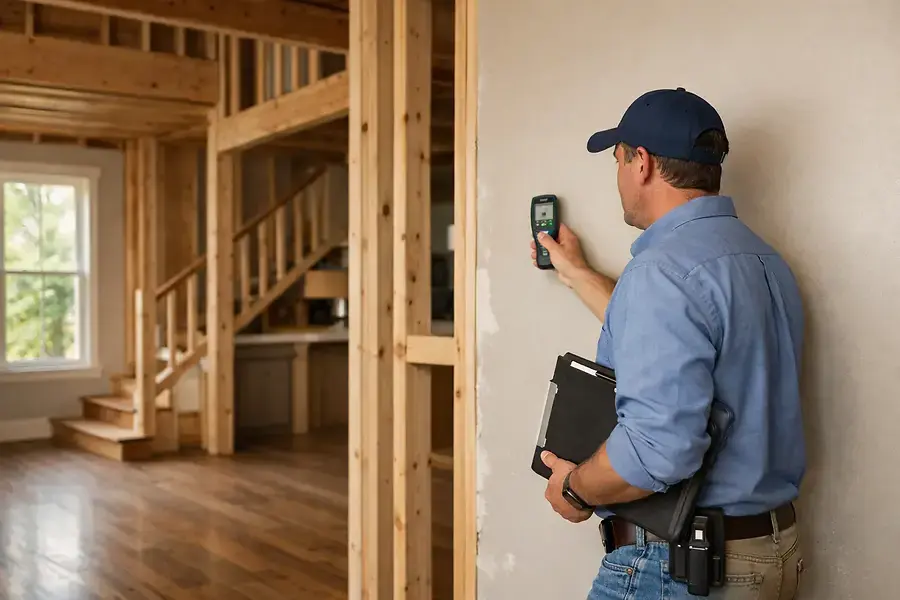
Why Home Inspections Matter in Atlanta's Market
Purchasing a home is one of the most significant financial decisions you'll make, and in Atlanta's competitive real estate market, a thorough home inspection is your best defense against costly surprises. A professional home inspection provides an objective assessment of a property's condition, revealing hidden defects that could impact your safety, comfort, and investment value.
Many buyers underestimate the importance of inspections, viewing them as an optional expense. However, in Atlanta's unique climate and with the age of many homes in the area, inspections are absolutely critical. They give you leverage to negotiate repairs or price adjustments before closing, and they provide peace of mind knowing exactly what you're purchasing.
A comprehensive inspection typically costs between $300-$500 but can save you thousands in unexpected repairs.
Essential Structural and Systems Components to Evaluate
Roof and Attic Inspection
Your roof is your home's first line of defense against the elements. During inspection, evaluators should check:
- Shingle condition and age (most roofs last 15-20 years)
- Flashing around chimneys, vents, and skylights
- Proper ventilation and insulation in the attic
- Signs of water damage or leaks
- Gutter condition and proper drainage
Plumbing Systems
Water damage is one of the most expensive issues homeowners face. Inspectors should evaluate:
- Water pressure and flow rates
- Pipe material and condition (galvanized pipes may need replacement)
- Water heater age and functionality
- Presence of leaks under sinks and around toilets
- Septic system condition (if applicable)
Electrical Systems
Safety is paramount when it comes to electrical systems. Inspectors must verify:
- Panel capacity and proper grounding
- Presence of GFCI outlets in wet areas
- Updated wiring (outdated aluminum wiring is a red flag)
- Adequate circuit breakers and no double-tapped breakers
- Proper installation of outlets and switches
HVAC Systems
Atlanta's hot, humid summers make air conditioning essential. Check:
- Age and condition of AC unit and furnace
- Proper refrigerant levels
- Ductwork integrity and insulation
- Thermostat functionality
- Regular maintenance records
Common Atlanta-Specific Issues: Climate and Foundation Concerns
Foundation Problems
Atlanta's clay soil is prone to shifting and settling, making foundation issues particularly common in the region. Look for:
- Cracks in the foundation (hairline cracks are normal, but larger ones warrant concern)
- Uneven floors or doors that don't close properly
- Water intrusion in basements or crawl spaces
- Bowing or leaning walls
- Gaps between walls and the foundation
Foundation repairs can cost $5,000 to $25,000 or more, making this inspection item absolutely critical in Atlanta.
Moisture and Humidity Damage
Atlanta's humid subtropical climate creates ideal conditions for moisture-related problems:
- Mold and mildew growth in attics, crawl spaces, and bathrooms
- Wood rot in siding, decks, and structural components
- Condensation issues in poorly ventilated areas
- Efflorescence (white mineral deposits) on basement walls
Pest Infestations
Termites are a major concern in Georgia. Inspectors should look for:
- Mud tubes on foundation walls
- Wood damage or hollow-sounding wood
- Evidence of other pests (rodents, carpenter ants)
- Proper grading and drainage away from the foundation
Exterior and Weatherproofing
Atlanta's weather patterns demand proper exterior maintenance:
- Siding condition and proper installation
- Window and door seals and weatherstripping
- Proper grading to direct water away from the foundation
- Deck and porch structural integrity
Using Inspection Results to Negotiate and Buy Confidently
Once you receive your inspection report, don't panic if issues are found. Most homes have some problems. Instead, use this information strategically:
Prioritize Issues by Severity
Categorize findings into three groups: critical (safety or major structural issues), important (systems needing replacement soon), and minor (cosmetic or easily fixable items). Focus your negotiations on critical and important items.
Get Repair Estimates
For significant issues, obtain written estimates from licensed contractors. This gives you concrete numbers for negotiation rather than vague concerns.
Negotiate Strategically
You have three options: request the seller make repairs before closing, ask for a price reduction to cover repairs yourself, or request a credit at closing. In Atlanta's market, price reductions are often the most practical solution.
Consider a Second Inspection
For major issues like foundation problems or roof damage, hiring a specialist inspector can provide detailed information and repair recommendations.
Remember: A thorough inspection is your opportunity to make an informed decision about one of your life's biggest investments.
Conclusion: Protecting Your Atlanta Home Investment
A comprehensive home inspection is not an expense—it's an investment in your peace of mind and financial security. By understanding what to look for and how to use inspection results, you empower yourself to make confident decisions in Atlanta's real estate market.
Don't skip the inspection, don't rush through the report, and don't hesitate to ask your inspector questions. Your future self will thank you for the diligence you show today. With this checklist in hand, you're ready to navigate Atlanta's home buying process with confidence and clarity.


