The Complete Albuquerque Home Inspection Checklist for Buyers
Learn the critical inspection points that protect your investment and reveal hidden issues before closing.

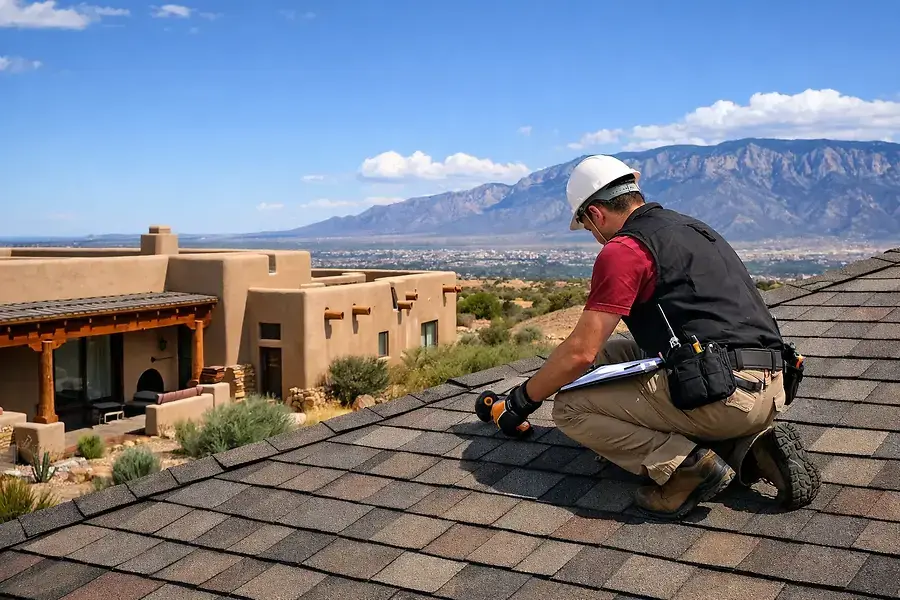
Why Home Inspections Matter in Albuquerque's Market
Purchasing a home is one of the most significant financial decisions you'll make. In Albuquerque's competitive real estate market, a thorough home inspection is your best defense against costly surprises after closing. A professional inspection reveals structural issues, mechanical failures, and safety hazards that could cost thousands to repair.
Albuquerque's unique climate and architectural styles present specific challenges. The high desert environment, intense sun exposure, and occasional severe weather can accelerate wear on roofing materials, HVAC systems, and exterior surfaces. Understanding what inspectors look for helps you make informed decisions and negotiate effectively with sellers.
A comprehensive inspection protects your investment and provides peace of mind before you sign the final papers.
Key Areas Inspectors Evaluate in Albuquerque Homes
Roof and Exterior
Albuquerque's intense sun and occasional hail storms take a toll on roofing materials. Inspectors examine:
- Shingle condition and signs of deterioration
- Flashing around chimneys and vents
- Gutters and downspout functionality
- Exterior walls for cracks, water damage, or pest entry points
- Foundation integrity and settling issues
Roof repairs in Albuquerque can range from $5,000 to $15,000 depending on damage severity.
HVAC Systems
Heating and cooling systems work overtime in Albuquerque's climate. Inspectors evaluate:
- Age and maintenance history of furnaces and air conditioning units
- Proper airflow and ductwork condition
- Thermostat functionality and accuracy
- Filter accessibility and replacement frequency
Plumbing and Water Systems
Water quality and system reliability are critical concerns. Inspectors check:
- Water pressure and flow rates
- Pipe materials and corrosion signs
- Water heater age, capacity, and condition
- Septic system functionality (if applicable)
- Drainage and grading around the property
Electrical Systems
Safety is paramount with electrical systems. Inspectors assess:
- Panel capacity and breaker functionality
- Outlet grounding and GFCI protection in wet areas
- Wiring age and condition
- Proper installation of fixtures and appliances
Interior Structure and Systems
Inspectors examine walls, ceilings, floors, and interior components for:
- Water stains indicating past or present leaks
- Structural cracks or settling issues
- Insulation adequacy
- Window and door operation
- Appliance functionality
Red Flags and How to Negotiate After Inspection Results
Major Red Flags to Watch For
Foundation problems are serious concerns that require professional evaluation. Cracks wider than 1/4 inch, bowing walls, or uneven floors suggest structural issues requiring expensive repairs.
Roof damage that requires replacement within the next few years should be factored into your offer. Ask for a roof inspection report from a certified roofer if concerns arise.
Outdated electrical systems with aluminum wiring or insufficient capacity may need upgrading to meet modern safety standards and insurance requirements.
Plumbing issues such as galvanized pipes, active leaks, or low water pressure indicate potential problems. Replacing old plumbing can be expensive and disruptive.
HVAC system age matters significantly in Albuquerque. Units over 15 years old may fail soon, requiring replacement costs of $5,000 to $10,000.
Negotiation Strategies
Request repairs: For significant issues, ask the seller to complete repairs before closing. This ensures work is done properly and you have recourse if problems persist.
Ask for credits: If sellers won't repair, request a credit toward closing costs to cover repairs yourself. This gives you control over the work quality.
Renegotiate price: Use inspection findings to justify a lower offer price that accounts for necessary repairs and future maintenance.
Walk away if necessary: If inspection reveals major structural or safety issues, you may have grounds to terminate the purchase agreement, depending on your inspection contingency clause.
"Don't let emotions override inspection findings. A thorough inspection is your opportunity to make a rational, informed decision about one of life's biggest purchases."
Minor Issues vs. Major Concerns
Not every inspection finding requires negotiation. Minor cosmetic issues, normal wear and tear, and maintenance items are typically the buyer's responsibility. Focus negotiations on structural problems, safety hazards, and systems nearing end-of-life.
Making Informed Decisions with Inspection Knowledge
A professional home inspection in Albuquerque typically costs $300 to $500 and takes 2-3 hours. This investment pays dividends by identifying issues before you're locked into the purchase.
Attend the inspection if possible. Ask the inspector questions, take notes, and request clarification on findings. Understanding the condition of your potential home empowers you to negotiate confidently and plan for future maintenance.
Remember: No home is perfect, but a thorough inspection ensures you understand what you're buying and can make decisions based on facts rather than assumptions. In Albuquerque's real estate market, informed buyers are protected buyers.


