The Complete Atlanta Home Inspection Checklist for Savvy Buyers
Master the essential inspection points that protect your investment and reveal hidden issues before closing on your Atlanta property.

Why Home Inspections Matter in Atlanta's Real Estate Market
Purchasing a home in Atlanta is one of the most significant financial decisions you'll make. A thorough home inspection is your safeguard against costly surprises and hidden defects that could drain your savings after closing. In Atlanta's competitive real estate market, where homes range from historic Victorian properties to modern suburban developments, understanding what inspectors look for can mean the difference between a sound investment and a money pit.
Home inspections provide an objective assessment of a property's condition, giving you leverage in negotiations and peace of mind about your purchase. Many buyers skip this crucial step to save money or move quickly, but this false economy often leads to expensive repairs down the road. A professional inspection typically costs between $300-$500 and can save you thousands in unexpected repairs.
The Role of Inspections in Atlanta's Unique Climate
Atlanta's subtropical climate presents specific challenges for homeowners. High humidity, occasional severe weather, and temperature fluctuations can accelerate wear on roofing materials, HVAC systems, and foundations. An experienced Atlanta home inspector understands these regional concerns and knows exactly what to scrutinize.
Structural and Foundation Concerns Specific to Atlanta Homes
Foundation Issues in Georgia Clay
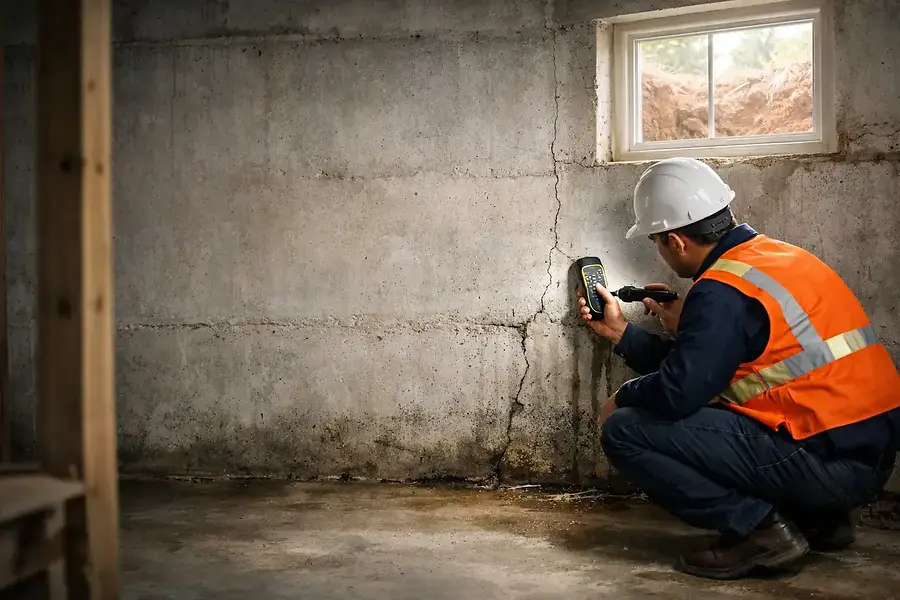
Atlanta's soil composition—primarily Georgia clay—creates unique foundation challenges. Clay expands when wet and contracts when dry, causing foundation movement and cracking. During your inspection, look for:
- Visible cracks in basement walls or crawl spaces, especially those wider than 1/8 inch
- Uneven or sloping floors that indicate settling or foundation movement
- Gaps between walls and trim suggesting structural shifts
- Water stains or moisture in basements or crawl spaces
- Bowing or leaning walls that require immediate professional assessment
Foundation repairs can cost $5,000 to $25,000 or more, making this inspection point critical. Don't overlook minor cracks—they often indicate larger underlying problems.
Roof and Attic Inspection
Atlanta's weather patterns demand a robust roof. During inspection, verify:
- Roof age and remaining lifespan (most roofs last 15-25 years)
- Missing, curled, or damaged shingles
- Proper ventilation to prevent moisture buildup and mold
- Flashing around chimneys and vents for water intrusion risks
- Signs of leaks in the attic, including water stains and mold
Exterior and Siding Assessment
Atlanta homes feature various exterior materials—brick, vinyl siding, wood, and fiber cement. Inspect for:
- Deteriorating caulk or mortar between bricks
- Rotting wood on trim, fascia, or siding
- Pest damage from termites or carpenter ants
- Proper drainage away from the foundation
- Condition of windows and doors for air leaks and water damage
Critical Systems to Evaluate: Electrical, Plumbing, and HVAC
Electrical System Safety
An outdated or faulty electrical system poses serious safety risks. Your inspector should examine:
- Panel condition and capacity to handle modern electrical demands
- Presence of aluminum wiring (common in older Atlanta homes and a fire hazard)
- GFCI outlets in bathrooms, kitchens, and outdoor areas
- Proper grounding throughout the home
- Outdated fuses that should be replaced with circuit breakers
Electrical upgrades can cost $3,000-$10,000, so understanding the system's condition is essential before making an offer.
Plumbing System Evaluation
Water damage is one of the costliest home repairs. Inspectors should check:
- Water pressure and flow from all fixtures
- Pipe material and age (galvanized pipes may need replacement)
- Signs of leaks under sinks, around toilets, and in basements
- Water heater condition and age (typically 8-12 year lifespan)
- Sewer line integrity to prevent costly backups
- Septic system condition if applicable
Ask your inspector to run water in multiple fixtures simultaneously to test pressure and identify potential issues.
HVAC System Assessment
Atlanta's heat and humidity make a reliable HVAC system non-negotiable. Evaluate:
- Age and condition of the air conditioning and heating units
- Proper refrigerant levels and system efficiency
- Ductwork integrity and insulation quality
- Thermostat functionality and programming capabilities
- Maintenance records showing regular service
A new HVAC system costs $5,000-$15,000, so understanding the current system's remaining lifespan helps with budgeting.
Additional Systems Worth Checking
Insulation and Ventilation: Proper insulation reduces energy costs significantly. Check attic insulation levels and verify adequate ventilation to prevent moisture problems.
Appliances: While not always included in standard inspections, ask about the condition and age of major appliances. Replacement costs add up quickly.
Taking Action After Your Inspection Results
Understanding Your Inspection Report
A comprehensive inspection report details findings in three categories: safety issues (requiring immediate attention), major repairs (significant but not urgent), and minor repairs (cosmetic or maintenance items). Prioritize addressing safety concerns before closing.
Negotiation Strategies
Use inspection findings as leverage in negotiations. You can request:
- Seller repairs before closing
- Price reduction to cover repairs yourself
- Escrow holdback for specific repairs
- Extended closing timeline for major repairs
Always obtain repair estimates from licensed contractors to support your negotiation position.
Planning Your Post-Purchase Maintenance
Even if the inspection reveals no major issues, establish a maintenance schedule. Regular upkeep prevents small problems from becoming expensive repairs. Budget for annual HVAC servicing, roof inspections, and plumbing checks.
A thorough home inspection is not an expense—it's an investment in your peace of mind and financial security as a homeowner.
Final Thoughts
Don't rush the inspection process or skip this critical step to save time or money. A qualified Atlanta home inspector brings expertise specific to the region's climate, soil conditions, and building practices. Their findings empower you to make informed decisions and protect your investment for years to come. Take the inspection seriously, ask questions, and use the results to negotiate confidently with sellers. Your future self will thank you.


