The Complete Atlanta Home Inspection Guide for Smart Buyers
A comprehensive guide to understanding the home inspection process and protecting your investment in Atlanta's competitive real estate market.

Why Home Inspections Matter in Atlanta
Purchasing a home is one of the most significant financial decisions you'll make in your lifetime. In Atlanta's fast-paced real estate market, where properties often sell quickly and competition among buyers is fierce, a professional home inspection is your best defense against costly surprises. A thorough inspection can reveal hidden problems that might not be apparent during a casual walkthrough, potentially saving you thousands of dollars in repairs and unexpected expenses.
Home inspections serve as an objective assessment of a property's condition, providing you with detailed information about the structural integrity, mechanical systems, and overall safety of the home. Whether you're a first-time homebuyer or an experienced investor, understanding the inspection process is crucial to making informed decisions and protecting your investment.
Understanding the Atlanta Home Inspection Process
What to Expect During an Inspection
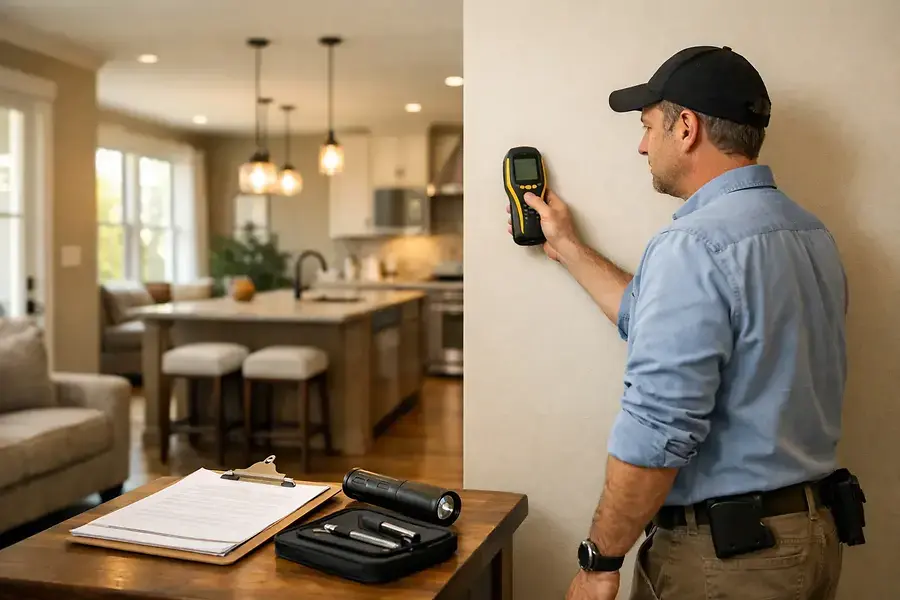
A standard home inspection typically lasts between two to four hours, depending on the size and age of the property. During this time, a certified home inspector will systematically examine all accessible areas of the home, including:
- Structural components: Foundation, walls, roof, and framing
- Exterior elements: Siding, windows, doors, gutters, and drainage systems
- Mechanical systems: HVAC, plumbing, electrical, and water heaters
- Interior features: Walls, ceilings, floors, and built-in appliances
- Safety systems: Smoke detectors, carbon monoxide detectors, and fire safety features
The inspector will document their findings in a detailed report, typically delivered within 24 to 48 hours of the inspection. This report becomes your roadmap for understanding the property's condition and identifying areas that may require attention or negotiation.
Choosing the Right Inspector
Selecting a qualified home inspector is essential. Look for inspectors who are certified by the American Society of Home Inspectors (ASHI) or hold similar credentials. In Georgia, home inspectors should be licensed and insured. Don't hesitate to ask for references, check their experience with Atlanta-area properties, and verify their credentials before hiring.
Your Role as a Buyer
While the inspector handles the technical assessment, you should attend the inspection if possible. This gives you the opportunity to ask questions, understand the property's systems, and get a firsthand look at any concerns. Take notes and photos, and don't be shy about requesting clarification on anything you don't understand.
Common Issues Found in Atlanta Homes and What They Mean
Foundation and Structural Problems
Atlanta's clay soil can shift and settle over time, potentially causing foundation issues. Common findings include minor cracks (often cosmetic) and settling (which may require monitoring). More serious concerns like bowing walls or significant foundation movement warrant professional evaluation and may affect your purchase decision.
Roof and Water Damage
Georgia's humid climate and frequent rain make roof condition critical. Inspectors look for missing shingles, deterioration, improper ventilation, and signs of water damage in attics. A roof nearing the end of its lifespan is a significant expense to budget for, typically costing $8,000 to $15,000 for replacement on a standard home.
HVAC System Concerns
Atlanta's hot summers and mild winters put considerable strain on air conditioning systems. Inspectors evaluate the age, efficiency, and condition of HVAC units. An aging system may still function but could fail soon, making this an important negotiation point. Regular maintenance records are a positive sign of proper care.
Plumbing and Water Issues
Older Atlanta homes may have outdated plumbing materials like galvanized pipes or polybutylene, which can be problematic. Inspectors check for:
- Slow drains or water pressure issues
- Signs of leaks or water damage
- Outdated or failing water heaters
- Improper grading that directs water toward the foundation
Electrical System Deficiencies
Outdated electrical panels, insufficient outlets, and improper grounding are common in older homes. While not always deal-breakers, electrical upgrades can be costly. Aluminum wiring, found in some homes built in the 1960s-70s, requires special attention due to fire risk.
Pest and Moisture Damage
Atlanta's warm, humid climate creates ideal conditions for termites, carpenter ants, and mold. Inspectors look for evidence of pest activity and moisture problems. Termite damage can be extensive and expensive to remediate, making this a critical inspection component.
Making Informed Decisions as an Atlanta Homebuyer
Using the Inspection Report Strategically
Once you receive the inspection report, resist the urge to panic about every minor issue. Homes are aging structures, and some wear and tear is normal. Instead, focus on major systems and safety concerns. Categorize findings into three groups:
- Critical issues: Safety hazards or major system failures requiring immediate attention
- Important items: Significant repairs needed within the next few years
- Minor concerns: Cosmetic issues or routine maintenance items
Negotiation Strategies
The inspection report is your negotiating tool. You can request the seller make repairs, provide credits for repairs, or reduce the purchase price. In Atlanta's competitive market, be strategic—focus negotiations on items that truly impact safety and value rather than nitpicking minor issues.
Planning for Future Maintenance
Use the inspection report to create a maintenance plan and budget for upcoming repairs. Understanding the condition of major systems helps you prioritize improvements and avoid financial surprises after closing.
Pro Tip: Consider getting a follow-up inspection by a specialist (electrician, plumber, or structural engineer) if the general inspector identifies concerns in specific areas. This targeted expertise can provide clarity and cost estimates for repairs.
Conclusion
A professional home inspection is an investment in your peace of mind and financial security. In Atlanta's dynamic real estate market, taking the time to understand the inspection process and thoroughly evaluate a property's condition empowers you to make confident, informed decisions. By choosing a qualified inspector, actively participating in the inspection, and strategically using the findings, you protect your investment and set yourself up for success as a homeowner. Don't let the excitement of finding your dream home overshadow the importance of due diligence—your future self will thank you.