The Complete Boston Neighborhood Guide: Choosing Your Ideal Community
Discover what makes each Boston neighborhood unique and how to choose the right fit for your lifestyle and budget.

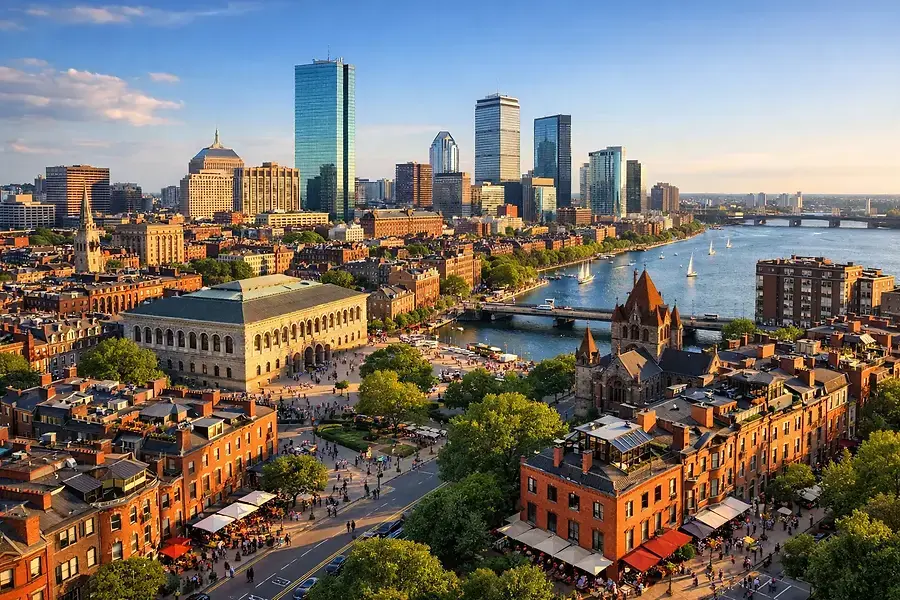
Navigating Boston's Diverse Neighborhoods
Boston is a city of distinct neighborhoods, each with its own character, charm, and appeal. Whether you're relocating to the city for work, school, or a fresh start, choosing the right neighborhood can significantly impact your quality of life. With over 20 distinct communities ranging from historic brownstones to modern waterfront developments, Boston offers something for everyone. This guide will help you navigate the city's diverse neighborhoods and find the perfect fit for your lifestyle and budget.
Understanding Boston's Key Neighborhoods: Characteristics, Amenities, and Demographics
Back Bay
Back Bay is one of Boston's most prestigious and sought-after neighborhoods. Known for its elegant Victorian brownstones, tree-lined streets, and upscale shopping on Newbury Street, Back Bay attracts young professionals and established families alike. The neighborhood boasts excellent restaurants, cultural institutions, and proximity to the Boston Public Library and Trinity Church. Expect higher rental and purchase prices, but you'll enjoy walkability and vibrant nightlife.
Beacon Hill
Historic Beacon Hill features charming gas-lit streets, brick sidewalks, and 19th-century architecture. This neighborhood is perfect for those seeking a quintessential Boston experience with strong community ties. The area offers excellent schools, boutique shops, and easy access to Boston Common. While real estate prices are premium, the neighborhood's character and location make it highly desirable for families and professionals.
Seaport District
The Seaport District represents Boston's modern transformation. This waterfront neighborhood features contemporary architecture, trendy restaurants, and the Institute of Contemporary Art. It's ideal for young professionals seeking a vibrant, walkable community with cutting-edge amenities. The area continues to develop rapidly, offering new residential options and entertainment venues. Prices reflect the neighborhood's popularity and modern appeal.
Cambridge
Cambridge is home to Harvard University and MIT, making it an intellectual hub with a youthful energy. The neighborhood offers excellent schools, bookstores, coffee shops, and cultural events. Harvard Square and Central Square provide distinct atmospheres—Harvard Square is more upscale and touristy, while Central Square offers a grittier, more artistic vibe. Cambridge appeals to students, academics, and creative professionals.
Jamaica Plain
Jamaica Plain is known for its diverse, artistic community and affordability compared to other Boston neighborhoods. The area features the beautiful Jamaica Pond, independent shops, galleries, and a strong sense of community. It's popular with young families, artists, and those seeking a more bohemian lifestyle. The neighborhood offers good public transportation and a vibrant local food scene.
South End
The South End combines historic charm with modern urban living. This neighborhood features Victorian rowhouses, excellent restaurants, galleries, and a thriving LGBTQ+ community. It's walkable, diverse, and offers a strong sense of neighborhood identity. The South End appeals to young professionals, artists, and families seeking an urban lifestyle with character.
Somerville
Somerville has emerged as a trendy alternative to Boston proper, offering more affordable housing while maintaining urban amenities. The neighborhood features Davis Square and Union Square as vibrant hubs with restaurants, bars, and shops. Somerville attracts young professionals, families, and creative types seeking value and community.
Comparing Neighborhoods by Lifestyle, Schools, and Commute Options
For Families with Children
Families prioritizing schools should consider Beacon Hill, Back Bay, and Cambridge, which offer excellent public and private school options. These neighborhoods also provide parks, libraries, and family-friendly amenities. Brookline is another top choice for families, offering highly-rated schools and suburban feel while remaining close to the city.
For Young Professionals
Young professionals seeking walkability and nightlife should explore Seaport, Back Bay, and South End. These neighborhoods offer proximity to job centers, excellent public transportation, restaurants, and entertainment. Cambridge is ideal if you work in tech or academia.
For Budget-Conscious Renters
If affordability is your priority, consider Jamaica Plain, Somerville, Roxbury, and Dorchester. These neighborhoods offer more reasonable rental prices while still providing good public transportation, local amenities, and community character. Allston and Brighton are also popular with students and young professionals seeking budget-friendly options.
Commute Considerations
Boston's public transportation system, the MBTA, connects most neighborhoods efficiently. Red Line stops serve Cambridge, Somerville, and Dorchester. Green Line stops connect Back Bay, Beacon Hill, and Cambridge. Orange Line stops serve Jamaica Plain and Somerville. If you drive, consider traffic patterns and parking availability—downtown neighborhoods often have limited parking.
Walkability and Transportation
- Highly Walkable: Back Bay, Beacon Hill, Seaport, Cambridge, South End
- Moderately Walkable: Jamaica Plain, Somerville, Brookline
- Car-Dependent: Outer neighborhoods like Dorchester and Roxbury (though improving)
Making Your Neighborhood Decision with Confidence
Key Questions to Ask Yourself
Before choosing a neighborhood, consider these important questions:
- What is your budget for rent or purchase?
- Do you prioritize walkability or are you comfortable with a car?
- Are schools a major factor in your decision?
- What type of community atmosphere appeals to you—historic, modern, artistic, or family-oriented?
- How important is proximity to your workplace?
- Do you prefer urban energy or a quieter, more residential feel?
Take Time to Explore
The best way to choose a neighborhood is to spend time there. Visit different areas at various times of day and week. Walk the streets, visit local cafes, chat with residents, and get a feel for the community. What looks good on paper might not feel right in person, and vice versa.
Consider Your Future
Think about how your needs might change. If you're planning to start a family, prioritize neighborhoods with good schools. If you're early in your career, focus on areas with strong job markets and networking opportunities. Boston's neighborhoods are constantly evolving, so consider the trajectory of areas you're interested in.
Boston's neighborhoods each offer unique advantages and character. Whether you're drawn to historic charm, modern amenities, artistic communities, or family-friendly environments, the city has a neighborhood that matches your lifestyle and values. Take time to explore, ask questions, and trust your instincts. The right neighborhood will feel like home.