The Complete Boulder Home Inspection Guide for Smart Buyers
Learn what professional inspectors examine and how to use inspection results to negotiate repairs and protect your investment.

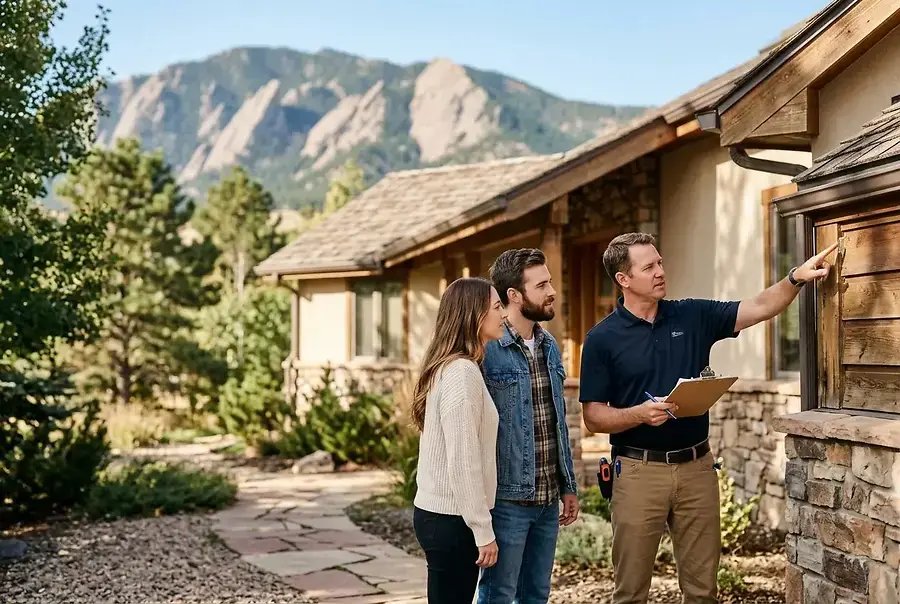
Why Home Inspections Matter in Boulder's Competitive Real Estate Market
Boulder's real estate market moves fast. Homes sell quickly, and competition among buyers is fierce. In this high-pressure environment, a professional home inspection is your most valuable tool for making an informed decision. A thorough inspection reveals hidden problems that could cost thousands of dollars to repair after closing.
Many buyers skip inspections to make their offers more competitive, but this is a risky strategy. An inspection protects your financial investment and gives you leverage to negotiate repairs or price reductions before you commit to the purchase. In Boulder's market, knowledge is power—and a detailed inspection report is your source of that knowledge.
What Professional Inspectors Look For in Boulder Properties
Structural and Foundation Issues
Boulder's unique geology and weather patterns create specific challenges for home foundations. Inspectors examine foundations for cracks, settling, and water damage. They look for signs of foundation movement, which is particularly important in Boulder where soil composition and freeze-thaw cycles can affect structural integrity.
Roof and Exterior Condition
Colorado's intense sun and hail storms take a toll on roofing materials. Inspectors assess roof age, missing or damaged shingles, flashing integrity, and gutter condition. They also examine siding, windows, doors, and exterior caulking for weatherproofing issues that could lead to water intrusion.
Plumbing Systems
Inspectors test all water fixtures, check for leaks, and assess water pressure. They examine visible pipes for corrosion and proper slope. In Boulder, inspectors pay special attention to water quality issues and the condition of water heaters, which work harder in Colorado's climate.
Electrical Systems
A comprehensive electrical inspection includes:
- Testing outlets and switches throughout the home
- Examining the main electrical panel for proper grounding and capacity
- Checking for outdated wiring that may pose fire hazards
- Verifying proper installation of GFCI outlets in wet areas
HVAC and Climate Control
Boulder's elevation and temperature fluctuations demand reliable heating and cooling systems. Inspectors test furnaces, air conditioning units, and ventilation systems. They assess whether systems are appropriately sized for the home and check for proper maintenance history.
Insulation and Energy Efficiency
Given Colorado's climate, inspectors evaluate attic insulation levels, basement insulation, and weatherstripping. They look for air leaks and assess the home's overall energy efficiency, which directly impacts your utility bills.
Basement and Crawl Space Conditions
Water intrusion is a common issue in Boulder basements. Inspectors look for signs of moisture, efflorescence (white mineral deposits), cracks, and previous water damage. They assess drainage systems and recommend solutions for moisture control.
How to Read Your Inspection Report and Negotiate Repairs Effectively
Understanding the Report Structure
Professional inspection reports are organized by system and component. Each item is typically categorized as:
- Satisfactory: The component is functioning properly
- Minor Repair Needed: Small issues that don't affect safety or functionality
- Major Repair Needed: Significant problems requiring professional attention
- Safety Concern: Issues that pose immediate risk
Prioritizing Issues
Not all inspection findings are created equal. Focus on safety concerns and major repairs first. A roof leak or electrical hazard requires immediate attention, while cosmetic issues like paint or landscaping can wait. Create a prioritized list of repairs, estimating costs for each item.
Getting Repair Estimates
Before negotiating, obtain written estimates from licensed contractors for major repairs. This gives you concrete numbers to present to the seller. For Boulder properties, consider the local contractor market and seasonal factors that might affect repair costs.
Negotiation Strategies
Request Seller Repairs: Ask the seller to complete repairs before closing. This ensures work is done to your standards and protects you from contractor disputes.
Request Price Reduction: If the seller won't repair items, request a price reduction equal to repair costs. This allows you to hire your own contractor and maintain control over the work quality.
Request Repair Credit: Some sellers offer credits at closing, allowing you to complete repairs after purchase. This works well for minor issues but carries more risk.
Walk Away: If repair costs are substantial and the seller won't negotiate, you have the right to terminate the contract during the inspection period. This is your exit strategy if the home's condition is worse than expected.
Negotiation Tips for Boulder Buyers
- Be reasonable—don't request repairs for every minor issue
- Focus on safety concerns and structural problems
- Present professional estimates to support your requests
- Understand that Boulder sellers may be less willing to negotiate in a competitive market
- Have your inspector available to discuss findings with the seller's agent
Making Confident Offers Based on Inspection Findings
A professional home inspection transforms you from a hopeful buyer into an informed one. You'll understand exactly what you're purchasing and what repairs or improvements lie ahead. This knowledge allows you to make confident offers that reflect the true condition of the property.
In Boulder's competitive market, a well-executed inspection and negotiation strategy can save you thousands of dollars. Whether you're buying a historic home in the Pearl Street area or a newer property in Boulder Valley, a thorough inspection is your best investment in protecting your financial future.
Remember: the inspection period is your opportunity to verify the seller's claims and identify problems before you're legally obligated to purchase. Use this time wisely, ask detailed questions, and don't hesitate to walk away if the home's condition doesn't match your expectations or budget.