The Complete Buyer's Guide to Residential Home Inspections
Discover the critical role inspections play in protecting your residential investment and avoiding costly surprises.

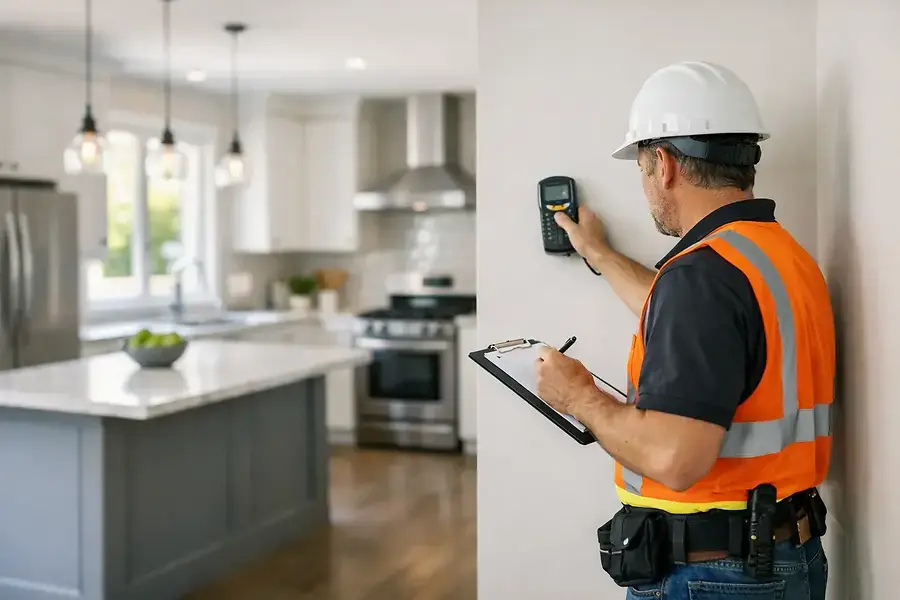
Why Home Inspections Matter in Residential Purchases
Purchasing a home is one of the most significant financial decisions you'll ever make. A professional home inspection is your opportunity to uncover potential problems before you commit to the purchase. Rather than discovering costly issues after closing, a thorough inspection provides peace of mind and valuable negotiating power.
Home inspections serve as an objective assessment of a property's condition. They protect buyers from inheriting expensive repairs, structural problems, or safety hazards. Without an inspection, you're essentially buying blind—trusting that the seller has disclosed all issues and that the home is in the condition it appears to be.
Key reasons to prioritize home inspections:
- Identify hidden defects that aren't visible during a casual walkthrough
- Understand the true cost of homeownership, including necessary repairs
- Negotiate repairs or credits with the seller before closing
- Plan for future maintenance and budget accordingly
- Ensure the home meets safety standards and building codes
What Professional Home Inspectors Evaluate and How They Assess Your Property
A comprehensive home inspection examines virtually every system and component of a residential property. Professional inspectors follow standardized protocols to ensure nothing is overlooked.
Structural Components
Inspectors evaluate the foundation, walls, roof, and overall structural integrity. They look for cracks, settling, water damage, and signs of foundation problems. The roof is assessed for age, condition, missing shingles, and potential leaks. Proper structural assessment ensures the home will stand strong for decades to come.
Electrical Systems
The electrical system is thoroughly examined, including the panel, wiring, outlets, and switches. Inspectors verify that the system meets current safety codes and can handle modern electrical demands. Outdated or faulty wiring poses serious fire hazards and should be addressed immediately.
Plumbing and Water Systems
Inspectors test water pressure, check for leaks, examine pipes for corrosion, and evaluate the water heater. They assess the septic system or municipal connections and look for signs of water damage throughout the home. Plumbing issues can be expensive to repair, making this evaluation critical.
HVAC Systems
Heating, ventilation, and air conditioning systems are tested for proper operation and efficiency. Inspectors check the age of equipment, maintenance history, and whether systems are appropriately sized for the home. A failing HVAC system can cost thousands to replace.
Interior and Exterior Conditions
The inspection includes walls, ceilings, floors, windows, doors, insulation, and ventilation. Exterior elements like siding, gutters, drainage, and landscaping are evaluated. Inspectors look for moisture intrusion, pest damage, and signs of poor maintenance.
Common Issues Found During Inspections and How to Address Them
Water Damage and Moisture Problems
Water damage is one of the most frequently discovered issues. This can range from minor staining to serious structural damage. Solutions include: repairing roof leaks, improving drainage around the foundation, fixing plumbing leaks, and addressing basement moisture with proper waterproofing.
Roof Issues
Aging roofs, missing shingles, and poor ventilation are common findings. Roof replacement is expensive, so understanding the roof's remaining lifespan is crucial. Buyers can negotiate for repairs or a credit toward replacement costs.
Electrical Problems
Outdated wiring, insufficient outlets, and code violations frequently appear in inspection reports. Older homes may have aluminum wiring or knob-and-tube systems that pose safety risks. These should be upgraded by a licensed electrician before purchase.
HVAC System Failures
Aging furnaces, air conditioners, and heat pumps often need replacement. Understanding the age and condition of these systems helps you budget for future replacements and negotiate accordingly.
Plumbing Defects
Corroded pipes, low water pressure, and outdated fixtures are typical findings. Galvanized pipes may need replacement, and old water heaters should be evaluated for remaining lifespan.
Foundation and Structural Concerns
Cracks in the foundation, settling, or signs of water intrusion require professional evaluation. Minor cracks may be cosmetic, while larger issues could indicate serious structural problems requiring expensive repairs.
Pro Tip: Always ask your inspector to explain findings in detail. Request photos and recommendations for repairs. This information is invaluable when negotiating with sellers or planning your post-purchase repairs.
Using Inspection Results to Make Confident Buying Decisions
Once you receive the inspection report, you have several options. You can request the seller make repairs, ask for a credit toward closing costs, renegotiate the purchase price, or walk away from the deal if issues are too severe.
Steps to take after receiving your inspection report:
- Review the report thoroughly with your real estate agent
- Prioritize issues by severity and cost
- Obtain repair estimates from licensed contractors
- Decide which items are deal-breakers versus negotiable
- Submit a formal request for repairs or credits to the seller
- Have a follow-up inspection if major repairs are completed
Home inspections are an investment in your future. The inspection fee—typically a few hundred dollars—is minimal compared to the potential cost of undiscovered problems. A thorough inspection empowers you to make an informed decision about one of life's biggest purchases.
Don't skip this critical step. A professional home inspection provides the clarity and confidence you need to move forward with your residential purchase knowing exactly what you're getting into.


