The Complete Dallas Home Inspection Guide for Every Smart Buyer
Protect your investment by understanding the critical inspection points every Dallas homebuyer should evaluate before closing.

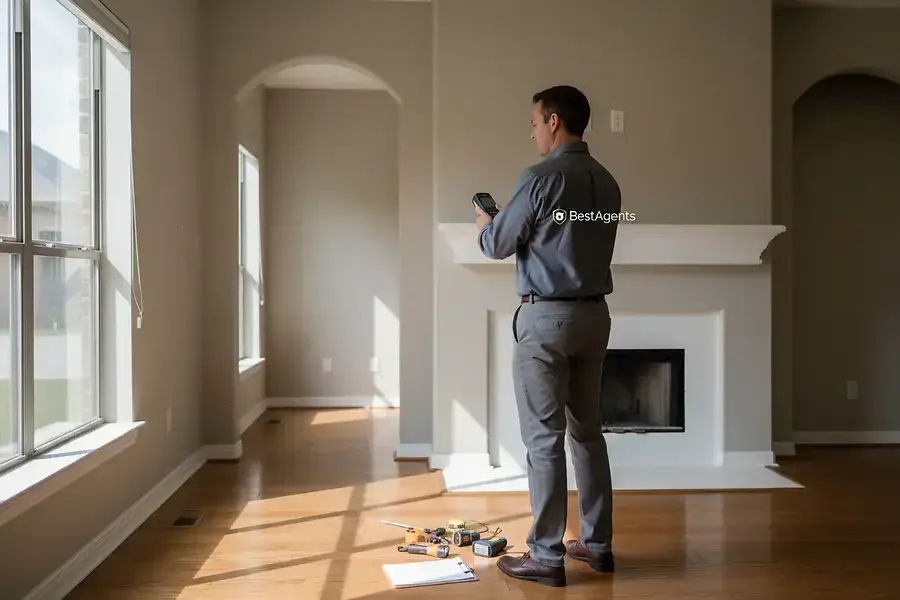
Why Home Inspections Matter in Dallas Real Estate
Purchasing a home is one of the most significant financial decisions you'll make in your lifetime. In the Dallas real estate market, where properties range from historic homes to modern developments, a thorough home inspection is not just recommended—it's essential. A professional home inspection provides you with a detailed understanding of your potential property's condition, helping you avoid costly surprises after closing.
Many Dallas homebuyers underestimate the importance of inspections, viewing them as an unnecessary expense. However, inspections can reveal hidden problems that could cost thousands of dollars to repair. From foundation issues common in the Texas climate to outdated electrical systems, a comprehensive inspection protects your investment and gives you negotiating power before finalizing your purchase.
The Texas climate presents unique challenges for homeowners. Extreme heat, occasional freeze-thaw cycles, and heavy rainfall can all impact a home's structural integrity. Understanding these regional factors during your inspection is crucial for making an informed decision.
Essential Structural and Foundation Considerations for Dallas Homes
Foundation Assessment
Dallas homes are built on various soil types, many of which are expansive clay soils that shift with moisture changes. This makes foundation inspection particularly critical. During your inspection, look for:
- Visible cracks in the foundation or basement walls
- Uneven or sloping floors that indicate settling
- Gaps between walls and door frames
- Water stains or moisture damage in crawl spaces
- Evidence of previous foundation repairs or underpinning
A qualified inspector will use specialized tools to measure foundation movement and assess whether issues are cosmetic or structural. Foundation problems can be expensive to repair, so this is where you want expert evaluation.
Roof and Exterior Condition
The Dallas sun is relentless on roofing materials. Your inspection should evaluate:
- Roof age and remaining lifespan
- Missing, cracked, or curled shingles
- Proper flashing around chimneys and vents
- Gutter condition and drainage effectiveness
- Siding integrity and signs of water infiltration
A roof replacement can cost $8,000 to $15,000 or more, making this assessment invaluable for your budget planning.
Attic and Ventilation
Proper attic ventilation is essential in Dallas's hot climate. Inspectors should check for adequate ventilation, proper insulation levels, and signs of moisture or pest damage. Poor ventilation can lead to premature roof deterioration and increased cooling costs.
Systems and Safety: HVAC, Plumbing, and Electrical Standards
HVAC Systems
Your heating and cooling system is critical in Dallas, where summer temperatures regularly exceed 95 degrees. During inspection, verify:
- Age and condition of the air conditioning unit
- Proper refrigerant levels and system efficiency
- Furnace operation and safety features
- Ductwork integrity and proper insulation
- Thermostat functionality and accuracy
An aging HVAC system can be replaced for $5,000 to $10,000, so understanding its condition helps you plan financially.
Plumbing Systems
Water damage is one of the most common and costly issues in homes. Your inspection should include:
- Water pressure and flow rate testing
- Inspection of visible pipes for corrosion or leaks
- Water heater age, condition, and capacity
- Drain line functionality and potential blockages
- Evidence of previous water damage or mold
Older Dallas homes may have galvanized pipes that are prone to corrosion. Replacing plumbing can be expensive, making this inspection critical.
Electrical Systems
Electrical safety is paramount. Your inspector should evaluate:
- Panel capacity and condition of the main breaker
- Presence of outdated fuses versus modern circuit breakers
- Proper grounding and bonding throughout the home
- GFCI outlets in bathrooms and kitchens
- Adequate outlets and proper wiring throughout
Outdated electrical systems pose fire hazards and may not support modern appliances and technology. Upgrading an electrical panel can cost $1,500 to $3,000.
Safety Systems
Don't overlook critical safety features:
- Presence and functionality of smoke detectors
- Carbon monoxide detector installation
- Fire extinguishers in appropriate locations
- Stair railings and handrail safety
Making Informed Decisions with Inspection Results
Once you receive your inspection report, take time to review it thoroughly. Don't panic over minor issues—every home has some wear and tear. Instead, focus on significant structural problems, safety concerns, and major system failures.
Use inspection results as a negotiation tool. If major repairs are needed, you have several options: request the seller make repairs, ask for a price reduction, or request an escrow account for repairs. In some cases, inspection findings may lead you to walk away from a property—and that's valuable information worth the inspection cost.
Consider hiring a specialized inspector for specific concerns. If foundation issues are suspected, a structural engineer's assessment is worthwhile. For older homes, a pest inspection can identify termite or wood-rot damage.
Remember: A thorough home inspection is your opportunity to make an informed decision about one of life's biggest investments. In Dallas's competitive real estate market, being informed gives you confidence and protection.
By understanding what inspectors evaluate and why these assessments matter, you're taking control of your home-buying journey. A small investment in a comprehensive inspection today can save you thousands in unexpected repairs tomorrow.


