The Complete First-Time Home Buyer Guide for New York Suburbs
Navigate the purchasing process with confidence in Long Island and Westchester communities.

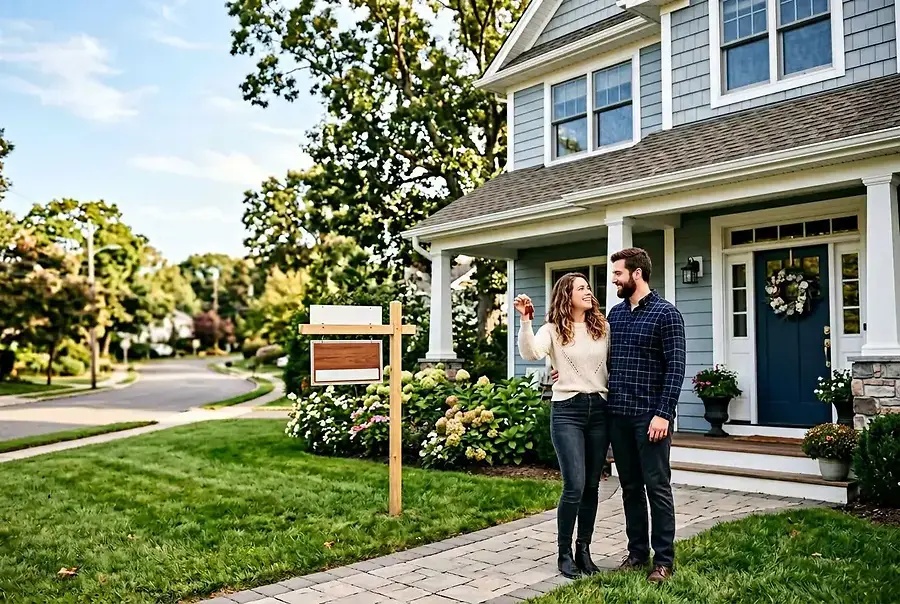
Understanding the Home Buying Process in New York's Suburban Markets
Purchasing your first home in New York's suburban areas is an exciting milestone, but the process can feel overwhelming without proper guidance. The suburban markets of Long Island and Westchester offer diverse communities, excellent schools, and a more relaxed lifestyle compared to urban centers. Understanding the fundamental steps of the home buying journey will help you navigate this complex process with confidence.
The Home Buying Timeline
The typical home buying process in New York suburbs takes between 30 to 45 days from offer acceptance to closing. However, this timeline can vary based on several factors, including inspection results, appraisal outcomes, and financing approval. Getting pre-approved for a mortgage before you start house hunting is crucial, as it demonstrates to sellers that you're a serious buyer and gives you a clear budget to work within.
Key steps in the process include:
- Obtaining mortgage pre-approval
- Finding a qualified real estate agent familiar with your target area
- Viewing properties and identifying your ideal home
- Making an offer and negotiating terms
- Scheduling a home inspection
- Obtaining a professional appraisal
- Finalizing your mortgage and closing on the property
Financial Preparation and Mortgage Options for Suburban Homebuyers
Financial readiness is the foundation of successful home buying. Before you begin your search, assess your financial situation thoroughly and explore the mortgage options available to first-time homebuyers in New York.
Saving for Your Down Payment
Most lenders require a down payment between 3% and 20% of the home's purchase price. First-time homebuyers in New York may qualify for special programs that allow for lower down payments, sometimes as low as 3%. For a $400,000 home—a reasonable price point in many suburban areas—a 10% down payment would be $40,000. Start saving early and consider setting up a dedicated savings account to track your progress.
Understanding Mortgage Types
Several mortgage options are available to suburban homebuyers:
- Conventional Loans: Typically require 5-20% down and offer competitive interest rates for borrowers with good credit
- FHA Loans: Backed by the Federal Housing Administration, allowing down payments as low as 3.5%
- VA Loans: Available to veterans with favorable terms and no down payment requirement
- USDA Loans: Designed for rural properties, though some suburban areas may qualify
Additional Costs to Consider
Beyond your down payment, budget for closing costs, which typically range from 2% to 5% of the purchase price. These include appraisal fees, title insurance, attorney fees, and property taxes. New York requires an attorney to be present at closing, so factor in legal fees when planning your budget. Additionally, plan for home inspection costs (typically $300-$500) and potential repairs identified during the inspection.
Evaluating Neighborhoods: Schools, Amenities, and Community Features
Choosing the right neighborhood is just as important as selecting the right home. New York's suburban communities offer distinct characteristics, and finding one that matches your lifestyle and values is essential.
School District Quality
For many families, school quality is the primary factor in choosing a neighborhood. Research school ratings, test scores, and graduation rates through resources like GreatSchools.org and the New York State Department of Education. Top-rated school districts in Long Island and Westchester command premium prices, so consider whether the investment aligns with your family's needs and long-term plans.
Community Amenities and Lifestyle
Evaluate what each community offers beyond housing:
- Parks, recreational facilities, and outdoor spaces
- Shopping centers, restaurants, and entertainment venues
- Public transportation access and commute times
- Healthcare facilities and medical services
- Community events and social organizations
- Property tax rates and local government services
Visiting Neighborhoods at Different Times
Visit potential neighborhoods during different times of day and week to get a true sense of the community. Drive through residential streets in the evening, visit on weekends, and talk to current residents. This firsthand experience will reveal details that online research cannot provide, such as traffic patterns, noise levels, and neighborhood atmosphere.
Making Your Offer and Closing on Your New Home
Once you've found your ideal home in your chosen neighborhood, it's time to make an offer and navigate the final steps toward homeownership.
Crafting a Competitive Offer
Your real estate agent will help you determine a competitive offer price based on comparable sales in the area. In competitive suburban markets, consider including:
- A strong earnest money deposit (typically 1-2% of purchase price)
- A reasonable inspection contingency period
- A clear financing timeline
- Flexibility on closing dates if possible
Remember: Your offer should reflect current market conditions and the property's condition. Working with an experienced agent who understands local market dynamics is invaluable.
The Inspection and Appraisal Process
After your offer is accepted, schedule a professional home inspection within the contingency period. The inspector will evaluate the home's structural integrity, systems, and potential issues. Use inspection results to negotiate repairs or credits with the seller. Simultaneously, your lender will order an appraisal to ensure the home's value supports the loan amount.
Final Steps to Closing
As closing approaches, your lender will conduct a final walkthrough to verify the property's condition hasn't changed. Review your Closing Disclosure document carefully—this outlines all final costs and loan terms. Schedule a pre-closing meeting with your attorney to review all documents. At closing, you'll sign the deed, mortgage note, and other required documents, then receive the keys to your new home.
Buying your first home in New York's suburbs is a significant achievement. By understanding the process, preparing financially, evaluating neighborhoods carefully, and working with qualified professionals, you'll be well-equipped to make informed decisions and successfully navigate your path to homeownership.