The Complete Guide to Avoiding Costly Mistakes When Selling Your Home
Learn the top pitfalls that reduce home sale prices and how to prevent them.

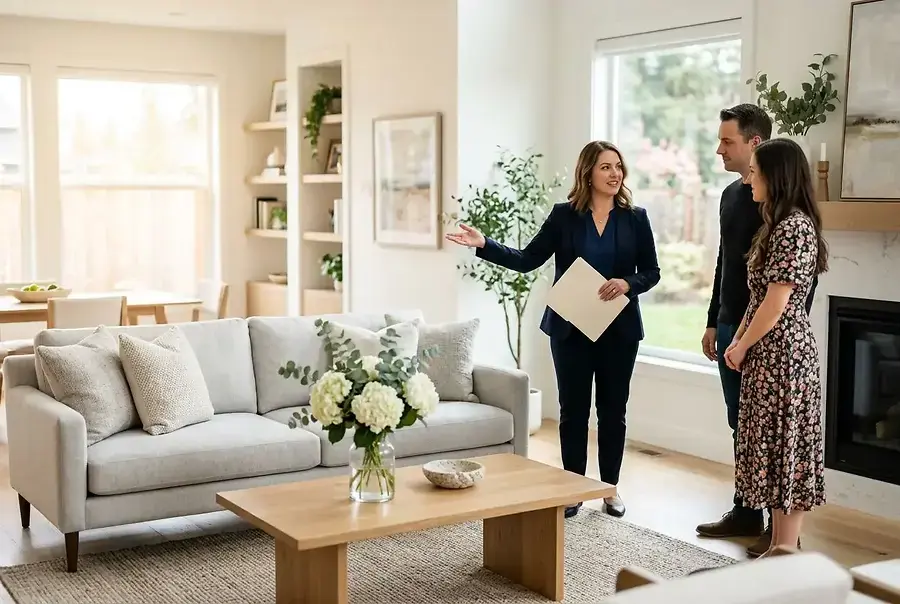
Common Selling Mistakes That Lower Your Home's Value
Selling a home is one of the most significant financial transactions most people will ever make. Yet many homeowners unknowingly sabotage their sale by making preventable mistakes that can cost them thousands of dollars. Understanding these pitfalls is the first step toward protecting your investment.
Neglecting Essential Home Repairs and Maintenance
One of the biggest mistakes sellers make is failing to address visible repairs before listing. Buyers are often deterred by peeling paint, broken fixtures, leaky faucets, or outdated appliances. These issues don't just turn away buyers—they significantly reduce your home's perceived value. A fresh coat of paint, new caulking, and functioning fixtures can make an enormous difference in buyer perception and final sale price.
Poor Curb Appeal and First Impressions
Your home's exterior is the first thing potential buyers see. Overgrown landscaping, dirty windows, cracked driveways, and unkempt yards create negative first impressions that are difficult to overcome. Investing in curb appeal often yields one of the highest returns on investment when selling your home. Simple improvements like fresh mulch, trimmed bushes, and a clean entrance can dramatically increase buyer interest.
Overcustomization and Personal Touches
While your bold color choices and unique décor reflect your personality, they may not appeal to potential buyers. Highly personalized spaces make it harder for buyers to envision themselves living in the home. Consider neutralizing bold wall colors, removing excessive personal photos, and toning down eccentric design choices. This allows buyers to imagine their own lives in the space.
Inadequate Staging and Presentation
Empty rooms feel smaller, and cluttered spaces feel chaotic. Professional staging helps buyers visualize the home's potential and can lead to higher offers. Key staging elements include:
- Decluttering and removing excess furniture
- Arranging furniture to highlight room flow and functionality
- Adding fresh flowers and subtle décor accents
- Ensuring adequate lighting throughout the home
- Creating a welcoming atmosphere in entryways
Strategic Pricing and Market Timing for Maximum Returns
Overpricing Your Home
One of the most costly mistakes is overpricing your property. Homes that sit on the market too long often sell for less than they would have if priced correctly from the start. Overpriced homes get fewer showings, generate less buyer interest, and may develop a stigma as "stale listings." Work with a qualified real estate agent to conduct a comparative market analysis and price your home competitively.
Ignoring Market Conditions
Market conditions vary significantly by location and season.
Understanding whether you're in a buyer's market or seller's market is crucial for setting realistic expectations and pricing strategies.In a buyer's market, homes take longer to sell and may require more aggressive pricing. In a seller's market, you may have more negotiating power. Your real estate agent should provide current market data to inform your decisions.
Timing Your Sale Strategically
While some seasons are traditionally better for selling than others, the best time to sell is when your home is in its best condition and the market conditions are favorable. Spring and early summer typically see higher buyer activity, but this varies by region. Consider your personal circumstances, local market trends, and your home's readiness before listing.
Preparing Your Property to Appeal to Serious Buyers
Deep Cleaning and Inspection Preparation
A spotless home signals that it's been well-maintained. Before showings, ensure every surface gleams—from baseboards to ceiling fans. Schedule a professional home inspection before listing so you can address any issues proactively. This transparency builds buyer confidence and prevents last-minute surprises that could derail a sale.
Making Strategic Upgrades
Not all upgrades are created equal. Focus on improvements that offer strong returns on investment:
- Kitchen updates and modern appliances
- Bathroom renovations and fixtures
- Fresh flooring in high-traffic areas
- Updated lighting and electrical fixtures
- Energy-efficient windows and doors
Avoid expensive, trendy upgrades that may not appeal to all buyers. Stick with timeless improvements that enhance functionality and appeal.
Documentation and Transparency
Gather all documentation related to your home, including:
- Warranty information for appliances and systems
- Records of major repairs and upgrades
- Proof of regular maintenance
- Permits for any renovations completed
- HOA documents and rules (if applicable)
Transparency builds trust with buyers and can justify your asking price. Homes with complete documentation often sell faster and for higher prices than those without.
Professional Marketing and Photography
In today's digital market, most buyers begin their search online. Professional photography and virtual tours are essential for attracting serious buyers. High-quality images showcase your home's best features and generate more inquiries. Consider investing in professional photography, drone footage, or 3D virtual tours to stand out in a competitive market.
Conclusion: Protecting Your Investment Through Informed Decisions
Selling your home successfully requires careful planning, strategic decision-making, and attention to detail. By avoiding common mistakes—from neglecting repairs to overpricing—you can maximize your home's sale price and minimize time on the market.
The key to a successful home sale is preparation. Start by honestly assessing your home's condition, invest in necessary repairs and staging, price competitively based on market data, and market your property professionally. Work with experienced real estate professionals who understand your local market and can guide you through the process.
Your home is likely one of your most valuable assets. By taking the time to avoid these costly mistakes, you protect your investment and ensure you receive fair market value for your property. The effort you invest upfront in preparation and strategic planning will pay dividends when it comes time to close the sale.


