The Complete Guide to Buying Waterfront Homes in Miami and Key Biscayne
Navigate the unique challenges and opportunities of purchasing beachfront and waterfront homes in Miami, Miami Beach, and Key Biscayne.

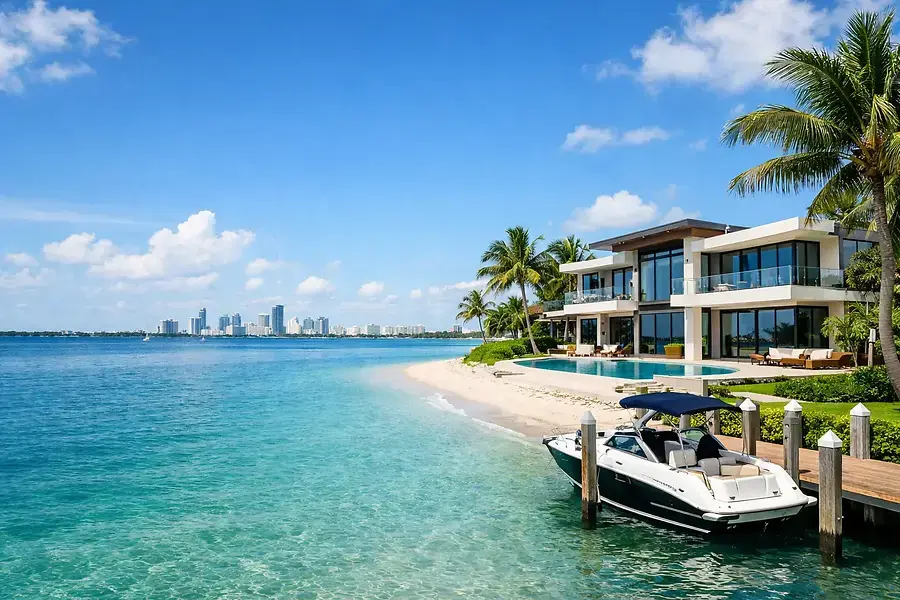
Understanding Miami's Waterfront Real Estate Market
Miami and Key Biscayne represent some of the most sought-after waterfront real estate markets in the United States. The allure of oceanfront living, combined with year-round sunshine and vibrant communities, makes these areas incredibly attractive to both domestic and international buyers. However, purchasing waterfront property in these regions requires a unique understanding of market dynamics, environmental factors, and regulatory frameworks that differ significantly from traditional inland real estate transactions.
The waterfront market in Miami has experienced substantial growth over recent years, with properties commanding premium prices due to their scarcity and desirability. Whether you're interested in a beachfront condo in Miami Beach, a luxury home in Key Biscayne, or a waterfront property along Biscayne Bay, understanding the market landscape is essential to making an informed investment decision.
Key Considerations When Buying Waterfront Property
Environmental and Natural Hazard Factors
One of the most critical considerations when purchasing waterfront property in Miami is understanding environmental risks. Hurricane exposure, flooding, and sea level rise are significant factors that can impact property value and insurability. Before making an offer, conduct a thorough environmental assessment and review flood maps provided by FEMA to understand your property's flood zone classification.
Additionally, consider the property's elevation and proximity to storm surge zones. Properties in higher-risk areas may face increased insurance premiums and potential difficulty obtaining coverage. Consult with environmental specialists and insurance agents to fully understand these risks before committing to a purchase.
Property Condition and Maintenance
Waterfront properties face unique maintenance challenges due to constant exposure to salt water, humidity, and harsh weather conditions. Seawalls, docks, and marine infrastructure require regular inspection and maintenance to prevent costly repairs. During your due diligence, hire a qualified marine surveyor to assess the condition of any waterfront structures.
- Inspect seawalls for erosion, cracks, and structural integrity
- Evaluate dock conditions and any necessary repairs
- Review maintenance records for coastal structures
- Assess saltwater corrosion damage to building materials
- Check for mold and moisture-related issues
Homeowners Association and Regulations
Many waterfront properties in Miami and Key Biscayne are part of homeowners associations (HOAs) with specific rules governing waterfront use, boat docking, and property modifications. Review HOA documents carefully to understand restrictions, fees, and any special assessments for waterfront maintenance or improvements.
Furthermore, familiarize yourself with local, state, and federal regulations regarding waterfront property ownership. Permits may be required for dock construction, seawall repairs, or any modifications to the waterfront area. The Florida Department of Environmental Protection and local building departments can provide guidance on regulatory requirements.
Water Access and Boating Opportunities
One of the primary attractions of waterfront living is direct water access. Evaluate the property's boating potential, including dock availability, water depth, and proximity to navigable waterways. Consider whether the property offers adequate space for your boating needs and whether additional mooring or slip rental may be necessary.
Research local boating regulations, speed zones, and any restrictions on vessel size or type. Some properties may have limitations on boat docking due to environmental protection measures or community regulations.
Financing, Insurance, and Legal Aspects of Coastal Homes
Financing Waterfront Properties
Obtaining financing for waterfront properties can be more challenging than traditional home purchases. Many lenders require additional inspections and assessments for coastal properties, particularly those in high-risk flood zones. Work with lenders experienced in waterfront financing to understand loan requirements, interest rates, and any special conditions.
Be prepared for potentially higher down payment requirements and stricter appraisal standards. Some lenders may require flood insurance as a condition of the loan, regardless of whether the property is in a designated flood zone.
Insurance Considerations
Insurance is a critical component of waterfront property ownership. Standard homeowners insurance typically does not cover flood damage, making flood insurance essential for waterfront properties. Obtain flood insurance quotes early in the buying process to understand the true cost of ownership.
Additionally, coastal properties may require specialized wind and hurricane coverage. Rates for waterfront properties are significantly higher than inland properties, so factor these costs into your budget. Review your insurance needs annually, as rates and coverage options may change.
Legal and Title Considerations
Waterfront property ownership involves unique legal considerations. Ensure that your title search includes verification of water rights, riparian rights, and any easements affecting the property. Hire an attorney experienced in waterfront real estate to review all documents and identify potential legal issues.
Verify that the property has legal access to the water and that no disputes exist regarding boundary lines or water rights. Some properties may have restrictions on water use or limitations on dock construction due to environmental protection laws or neighboring property rights.
Making Your Waterfront Investment Decision
Purchasing waterfront property in Miami and Key Biscayne can be an excellent investment, offering lifestyle benefits and potential appreciation. However, success requires thorough due diligence and understanding of the unique challenges associated with coastal real estate.
Take time to work with qualified professionals, including real estate agents specializing in waterfront properties, marine surveyors, environmental consultants, and attorneys experienced in coastal law. By addressing environmental risks, understanding regulatory requirements, and carefully evaluating financing and insurance options, you can make a confident decision about your waterfront investment.
Remember: The waterfront real estate market in Miami is dynamic and competitive. Being well-informed and prepared will position you to navigate this exciting market successfully and find the perfect coastal home for your lifestyle and investment goals.


