The Complete Guide to Buying Waterfront Homes in Myrtle Beach
Navigate the unique considerations, market trends, and investment potential of purchasing beachfront and waterfront properties in Myrtle Beach.

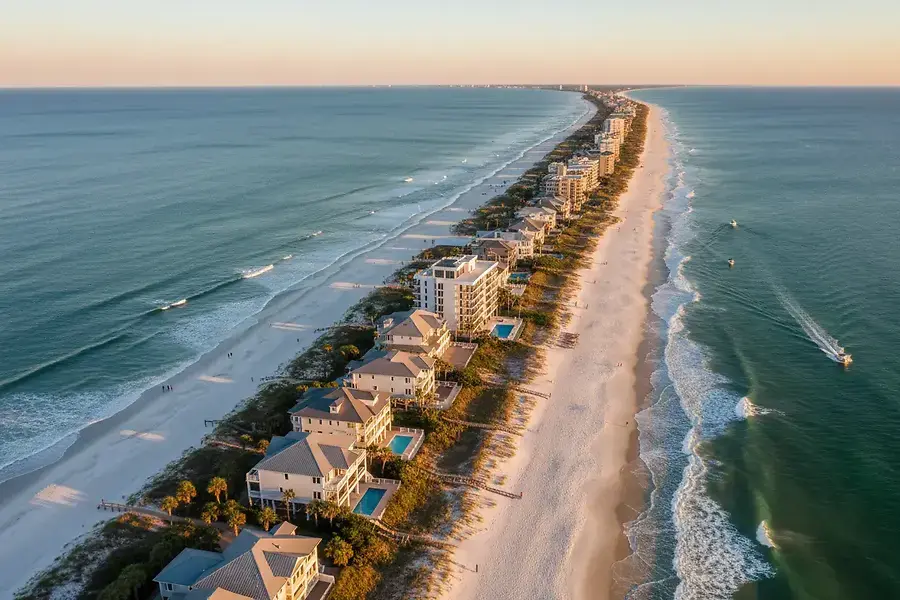
Understanding Myrtle Beach's Waterfront Market Dynamics
Myrtle Beach has emerged as one of the most sought-after waterfront destinations on the East Coast, attracting both primary homebuyers and savvy investors. The waterfront market here operates differently from inland properties, with unique supply and demand patterns that directly influence pricing and availability.
Market Trends and Demand Patterns
The waterfront real estate market in Myrtle Beach continues to experience steady growth, driven by the region's natural beauty, recreational opportunities, and year-round appeal. Properties with direct ocean views command premium prices, while those with marsh views or canal access offer more affordable alternatives for budget-conscious buyers.
Key market observations include:
- Beachfront properties appreciate faster than inland homes due to limited supply
- Seasonal fluctuations affect buyer activity, with peak interest during spring and fall
- Waterfront communities offer diverse price points, from luxury oceanfront estates to modest canal-front cottages
- Investment properties generate strong rental income potential, particularly in resort-oriented areas
Location-Based Value Variations
Not all waterfront properties in Myrtle Beach are created equal. The specific location significantly impacts both the property's value and its appreciation potential. North Myrtle Beach tends to attract families seeking quieter, more residential settings, while central Myrtle Beach offers vibrant entertainment and dining options. South Myrtle Beach provides a balance between activity and tranquility.
Key Factors Affecting Waterfront Property Values and Insurance
Property Valuation Considerations
Waterfront properties are valued based on several critical factors beyond standard real estate metrics. Understanding these elements helps you make informed decisions about pricing and long-term value.
- Elevation and flood risk: Properties at higher elevations command premium prices due to lower flood insurance costs and reduced storm vulnerability
- Erosion history: Shoreline erosion rates directly impact property values and future development potential
- Water quality and views: Ocean views significantly increase value compared to marsh or creek views
- Riparian rights: Access to water and usage rights affect property desirability and functionality
- Structural condition: Salt air corrosion and weather exposure require more frequent maintenance and repairs
Understanding Flood and Coastal Insurance
Insurance represents one of the most significant ongoing costs for waterfront property owners. Flood insurance is mandatory for properties in designated flood zones, and coastal insurance premiums have increased substantially in recent years.
Before purchasing, obtain a flood insurance quote and review your property's flood zone designation. Properties in high-risk zones (AE or VE zones) face substantially higher premiums. Consider the long-term insurance cost trajectory when calculating your total investment.
"Waterfront property ownership comes with unique insurance responsibilities. Budget for both flood and standard homeowners insurance, and factor these costs into your purchase decision."
Navigating Coastal Regulations and Environmental Considerations
Regulatory Framework
Myrtle Beach's waterfront properties are subject to strict state and local regulations designed to protect coastal ecosystems and public safety. These regulations can significantly impact your ability to renovate, expand, or develop your property.
- Coastal Zone Management Act (CZMA): Requires permits for most waterfront activities and modifications
- Setback requirements: Properties must maintain specific distances from the water's edge, limiting development options
- Dune protection laws: Strict regulations govern any modifications to natural dunes
- Environmental permits: Dock construction, bulkhead repairs, and landscaping may require environmental clearance
Environmental and Climate Considerations
Climate change and rising sea levels present long-term considerations for waterfront property owners. While Myrtle Beach's beaches are actively maintained through renourishment programs, understanding the environmental trajectory is essential for long-term investment confidence.
Research the property's historical flood records, storm surge vulnerability, and the local government's beach preservation initiatives. Properties with natural protective features, such as elevated terrain or established dune systems, offer greater resilience.
Making Your Waterfront Investment Decision
Financial Considerations and ROI
Waterfront properties can be excellent investments, but they require careful financial analysis. Calculate your total cost of ownership, including:
- Purchase price and closing costs
- Annual property taxes and insurance premiums
- Maintenance and repair costs (typically higher for waterfront properties)
- HOA fees if applicable
- Potential rental income if investment-focused
For investment properties, analyze rental demand in your specific neighborhood. Beachfront properties in high-traffic tourist areas typically generate stronger rental returns than quieter waterfront locations.
Due Diligence Checklist
Before making an offer on a waterfront property, complete thorough due diligence:
- Obtain a professional home inspection with coastal property expertise
- Review flood zone maps and insurance requirements
- Research the property's erosion history and future projections
- Verify all permits and regulatory compliance
- Understand HOA rules and restrictions
- Evaluate neighborhood trends and comparable sales
- Consult with a real estate attorney familiar with coastal properties
Working with Waterfront Specialists
Partner with real estate professionals who specialize in waterfront properties. These experts understand the unique complexities of coastal real estate, including regulatory requirements, insurance implications, and market dynamics that general practitioners may overlook.
A waterfront-focused agent can help you navigate negotiations, identify emerging neighborhoods, and avoid costly mistakes. Similarly, hiring a coastal property inspector ensures comprehensive evaluation of structural integrity and environmental factors.
Final Thoughts
Purchasing a waterfront home in Myrtle Beach represents both an emotional and financial investment. By understanding market dynamics, regulatory requirements, and financial implications, you can make a confident decision that aligns with your goals. Whether seeking a primary residence, vacation retreat, or investment property, Myrtle Beach's waterfront market offers diverse opportunities for discerning buyers willing to conduct thorough research and work with qualified professionals.


