The Complete Guide to California Home Inspections for Residential Buyers
Learn what professional inspectors evaluate and how to protect your investment before closing.

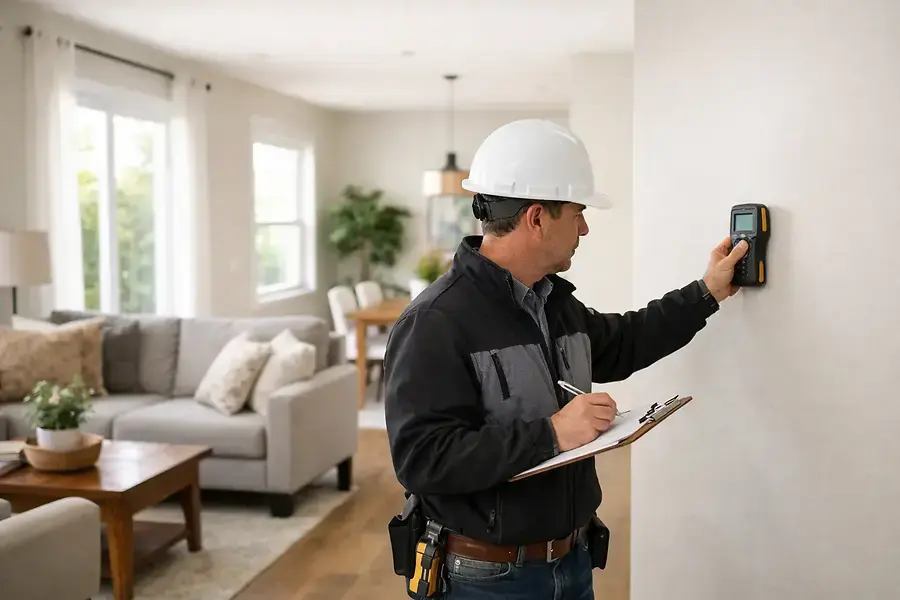
Understanding the California Home Inspection Process
A home inspection is one of the most critical steps in the residential buying process. In California, this professional evaluation gives you a detailed understanding of the property's condition before you commit to the purchase. Unlike appraisals, which determine a home's market value, inspections focus on identifying structural issues, safety concerns, and maintenance needs.
The typical California home inspection takes between two to four hours, depending on the property's size and age. A licensed home inspector will examine both the interior and exterior of the home, documenting their findings in a comprehensive report. It's important to note that home inspections are not mandatory in California, but they are highly recommended for protecting your investment.
Most purchase agreements include a contingency period—usually 10 to 17 days—during which you can hire an inspector and review the results. This window gives you time to negotiate repairs, request credits, or even walk away from the deal if significant issues are discovered.
Why Home Inspections Matter in California
California's diverse climate and older housing stock make inspections particularly valuable. Properties in coastal areas face salt spray and moisture damage, while inland homes may experience foundation issues due to soil movement. Understanding these regional challenges helps you ask the right questions during the inspection process.
Key Areas Inspectors Evaluate in Residential Properties
Professional home inspectors follow a systematic approach when evaluating properties. Here are the primary areas they assess:
Structural Components
Inspectors examine the foundation, framing, and overall structural integrity. They look for:
- Foundation cracks or settling issues
- Water damage or moisture intrusion
- Roof condition and remaining lifespan
- Wall and floor stability
Electrical Systems
A thorough electrical inspection includes checking the main panel, wiring, outlets, and safety features. Outdated or faulty electrical systems are serious safety hazards and can be expensive to repair. Inspectors verify that the system meets current California electrical codes.
Plumbing and Water Systems
Inspectors test water pressure, check for leaks, and evaluate the condition of pipes and fixtures. They also assess:
- Water heater age and functionality
- Septic systems or sewer connections
- Drainage and grading around the property
- Presence of outdated materials like galvanized pipes
HVAC Systems
Heating, ventilation, and air conditioning systems are tested for proper operation. Inspectors note the age of equipment and estimate remaining useful life, as replacement can be a significant expense.
Interior Features
The inspection covers doors, windows, flooring, walls, and ceilings. Inspectors look for signs of damage, poor maintenance, or safety concerns. They also evaluate insulation and ventilation in attics and crawl spaces.
Exterior Elements
The exterior inspection includes the roof, gutters, siding, decks, and landscaping. Proper drainage and grading are essential in California to prevent water damage and foundation problems.
How Inspection Reports Impact Your Buying Decision
Once the inspection is complete, you'll receive a detailed report—typically within 24 to 48 hours. This document becomes a powerful negotiating tool in your purchase agreement.
Understanding the Report
Home inspection reports categorize findings by severity:
- Critical Issues: Safety hazards or major structural problems requiring immediate attention
- Major Issues: Significant repairs needed within the near future
- Minor Issues: Maintenance items or cosmetic concerns
Negotiation Strategies
Armed with inspection findings, you have several options:
- Request the seller make repairs before closing
- Ask for a credit toward closing costs to handle repairs yourself
- Renegotiate the purchase price based on repair estimates
- Walk away from the deal if issues are too severe
Pro Tip: Obtain repair estimates from licensed contractors for major issues. This gives you concrete numbers during negotiations and prevents disputes about repair costs.
Red Flags to Watch For
Certain findings should raise concerns and warrant further investigation:
- Foundation damage or significant settling
- Roof nearing end of life (15+ years old)
- Outdated electrical systems or aluminum wiring
- Mold or extensive water damage
- Pest infestations or termite damage
- Unpermitted additions or renovations
Taking Action: Next Steps After Your Inspection
Review and Prioritize
Carefully review the inspection report with your real estate agent. Prioritize issues by urgency and cost. Focus on critical safety and structural concerns rather than cosmetic issues.
Get Professional Opinions
For significant findings, consider hiring specialists. A structural engineer can evaluate foundation concerns, while a licensed electrician can assess electrical issues. These expert opinions strengthen your negotiating position.
Make Your Decision
Based on the inspection findings and your financial situation, decide whether to proceed with the purchase, negotiate repairs or credits, or withdraw from the deal. Remember, the inspection contingency period is your opportunity to make an informed decision.
Document Everything
Keep copies of the inspection report, any specialist evaluations, and repair estimates. These documents are valuable for future reference and may be needed for insurance or warranty purposes.
A thorough home inspection is an investment in your peace of mind and financial security. By understanding what inspectors evaluate and how to use their findings, you can make a confident decision about your California home purchase and protect yourself from costly surprises down the road.


