The Complete Guide to Champaign Residential Appraisals and Home Values
Learn how professional appraisals determine your home's true market value and why it matters for selling or refinancing.

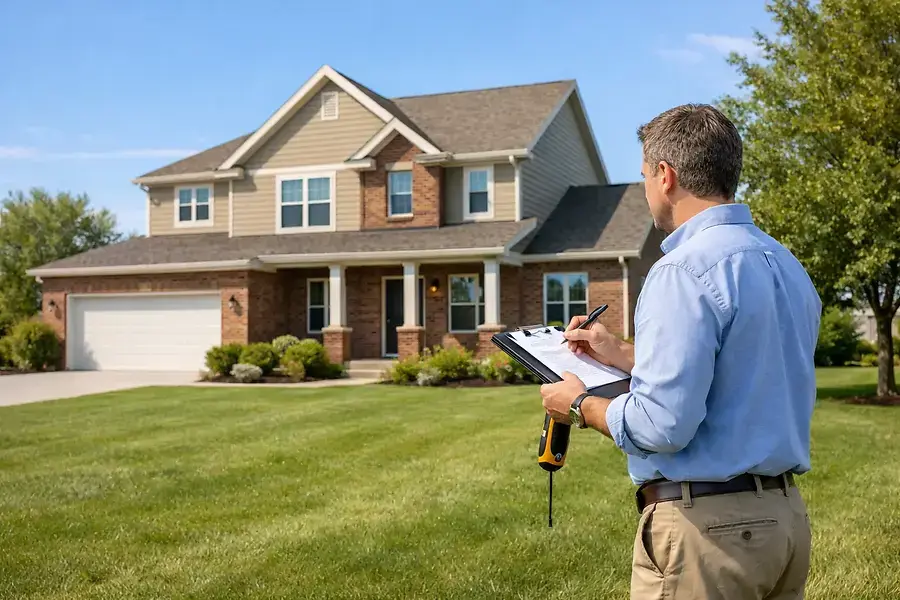
Understanding the Appraisal Process: What Appraisers Look For in Champaign Homes
A residential appraisal is an independent, professional assessment of your home's fair market value. In Champaign, appraisers follow standardized procedures to evaluate properties objectively, ensuring that buyers, sellers, and lenders have accurate information about what a home is truly worth.
When an appraiser visits your Champaign home, they conduct a thorough inspection that typically takes 1-2 hours. They examine both the interior and exterior of the property, documenting its condition, layout, and features. The appraiser is not looking for perfection—rather, they're assessing the property's overall condition and how it compares to similar homes in the area.
The Inspection Process
During the inspection, appraisers evaluate:
- Structural integrity and foundation condition
- Roof age and condition
- HVAC systems and their functionality
- Plumbing and electrical systems
- Interior finishes and flooring
- Kitchen and bathroom quality and updates
- Square footage and room layout
- Lot size and landscaping
Appraisers also research comparable sales in your neighborhood, analyzing recent transactions of similar properties to establish a baseline for valuation. This comparative market analysis is crucial to determining your home's fair market value in Champaign's current real estate landscape.
Key Factors Affecting Home Values in Champaign's Residential Market
Several factors significantly influence residential property values in Champaign. Understanding these elements can help you better comprehend your appraisal results and make informed decisions about your home.
Location and Neighborhood
Location remains one of the most important determinants of home value. Homes in desirable Champaign neighborhoods with good schools, low crime rates, and convenient access to amenities typically command higher prices. Proximity to the University of Illinois campus, parks, shopping centers, and major employers also impacts property values.
Property Condition and Age
The age and condition of your home directly affect its appraised value. Well-maintained homes with recent updates to critical systems (roof, HVAC, plumbing, electrical) generally appraise higher than homes requiring significant repairs. However, older homes with character and quality construction can still maintain strong values if properly maintained.
Market Trends and Economic Factors
Champaign's real estate market is influenced by broader economic conditions, interest rates, and local employment opportunities. The presence of the university creates a unique dynamic in the market, affecting both rental and owner-occupied properties. Understanding these trends helps explain why your home's value may fluctuate over time.
Home Features and Improvements
Certain features add significant value to Champaign homes:
- Updated kitchens and bathrooms
- Energy-efficient windows and insulation
- Finished basements or additional living space
- Modern appliances and smart home features
- Outdoor amenities like decks or patios
- Adequate parking and garage space
Not all improvements add dollar-for-dollar value, so it's important to focus on upgrades that appeal to potential buyers and improve your home's functionality.
How to Prepare Your Home for Appraisal and Maximize Its Assessed Value
While you cannot control the appraiser's final assessment, you can take steps to ensure your home is presented in its best light during the appraisal process.
Pre-Appraisal Preparation
Clean and declutter your home thoroughly. A clean property allows appraisers to see your home's true condition without distractions. Focus on:
- Deep cleaning all rooms, including baseboards and corners
- Removing excess personal items and clutter
- Ensuring all lights work and rooms are well-lit
- Making minor repairs like fixing leaky faucets or loose doorknobs
- Tidying landscaping and maintaining the exterior
Documentation and Improvements
Gather documentation of any recent improvements or repairs you've made to your home. Receipts, permits, and contractor information help appraisers understand the quality and scope of work completed. If you've recently updated your roof, HVAC system, or electrical panel, make sure the appraiser is aware of these improvements.
Highlighting Key Features
During the appraisal, be prepared to point out important features that might not be immediately obvious. This includes energy-efficient upgrades, recent renovations, or unique architectural details. However, avoid being pushy—let the appraiser conduct their professional assessment.
Addressing Known Issues
If your home has known defects or issues, it's better to disclose them upfront rather than have the appraiser discover them during inspection. This transparency helps establish trust and ensures the appraisal accounts for necessary repairs.
Using Appraisal Results: Next Steps for Sellers and Homeowners
Once you receive your appraisal, understanding how to use those results is crucial for your next steps, whether you're selling, refinancing, or simply curious about your home's value.
For Home Sellers
If your appraisal comes in lower than expected, don't panic. You have several options:
- Negotiate with the buyer to split the difference
- Request a second appraisal if you believe the assessment is inaccurate
- Adjust your asking price to reflect the appraised value
- Make targeted improvements to increase value for future sales
If the appraisal exceeds your asking price, you're in a strong negotiating position and may be able to increase your listing price.
For Homeowners Refinancing
When refinancing, a higher appraisal can help you access better loan terms or tap into your home's equity. If the appraisal is lower than expected, you may need to adjust your refinancing plans or explore alternative lending options.
Understanding Appraisal Disputes
If you believe your appraisal is inaccurate, you can request a reconsideration of value from the appraiser. Provide additional comparable sales data or documentation of recent improvements that may have been overlooked. In some cases, a second appraisal may be warranted, though this involves additional costs.
Professional appraisals provide an objective assessment of your home's value, giving you the information needed to make confident decisions about buying, selling, or refinancing your Champaign property.
Understanding the appraisal process empowers you to navigate Champaign's real estate market with confidence. Whether you're preparing for a sale, refinancing, or simply want to know your home's value, knowing what appraisers look for and how they determine value helps you make informed decisions about your most valuable asset.